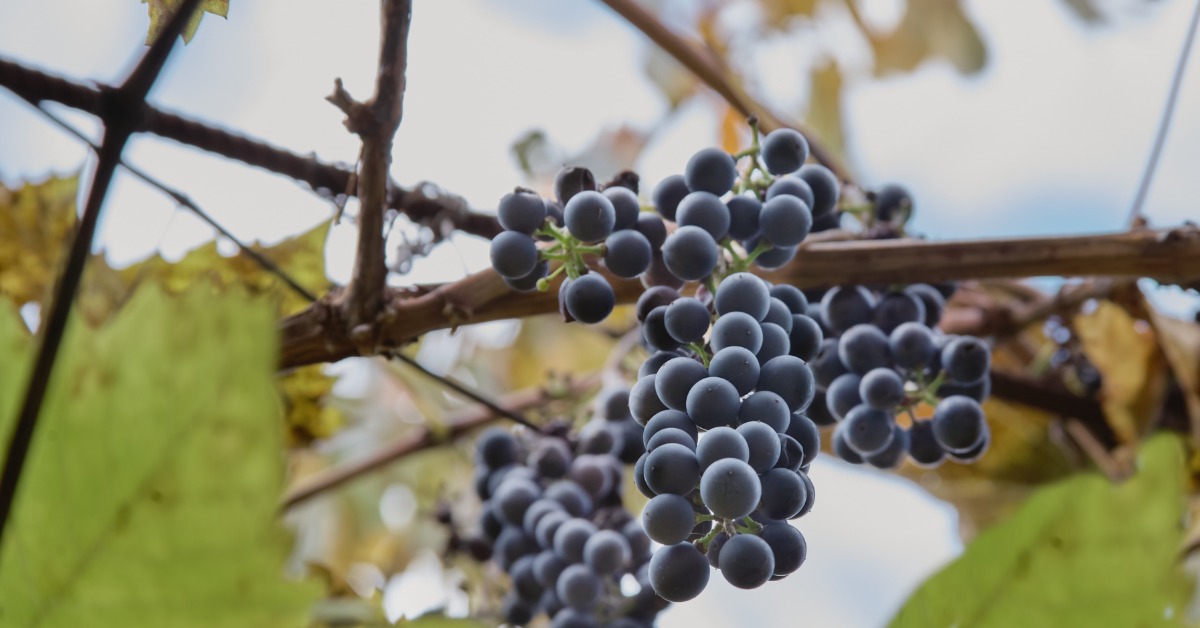
Grapevines grow with enthusiasm, and without a good trim, they can turn into a tangled mess in no time. That’s why learning the best practices when pruning backyard grapevines can completely change the way your vines produce year after year. A well-pruned vine gives you better fruit, healthier growth, and a cleaner look along fences or trellises. If you’ve got grapevines at home or plan to plant some soon, sharpen those pruners and give your vines the care they deserve.
Why You Need to Prune Grapevines
Grapevines produce fruit on new wood that grows from last year’s canes. If old growth stays in place, the vine pours energy into leaves and long shoots instead of fruit clusters. That’s when yields shrink, and grapes become smaller than expected. A good pruning routine directs the plant’s energy where you want it.
Backyard vines can grow ten feet or more in a single season. Left alone, they twist around supports and each other. Airflow drops, sunlight struggles to reach inner growth, and disease finds a comfortable home. A thoughtful cut here and there opens the canopy and gives every cluster a fair shot at sunshine.
The Best Time to Prune
Late winter works best for most backyard grapevines. The vine sits dormant, which makes its structure easy to see. Without leaves in the way, you can spot strong canes and remove weaker ones with confidence. Pruning at this stage prepares the vine for spring growth.
Early spring pruning also works if winter slipped by too fast. Sap may “bleed” from cuts, which looks dramatic but won’t harm the plant. What matters most is that heavy pruning happens before active growth takes off. Once buds swell and shoots stretch, large cuts can slow the vine down.
Understand Cane vs. Spur Pruning
Two common methods shape most backyard grapevines: cane pruning and spur pruning. Each works well, and your trellis style usually guides the choice.
Cane pruning involves selecting one or two strong canes from the previous year and cutting the rest away. Those selected canes are carefully shortened and tied horizontally along a wire. New shoots grow from them and produce fruit. This style suits many table grapes grown in home gardens.
Spur pruning keeps a permanent framework of cordons along a trellis wire. Short spurs remain along those cordons, each trimmed to two or three buds. New shoots develop from those buds. This approach fits well for certain muscadine and wine grape varieties.

Start with Clean, Sharp Tools
Clean cuts heal faster and reduce stress on the vine. A sharp pair of hand pruners handles most backyard vines. For thicker wood, loppers help without crushing stems. Dull blades tear instead of slice, which leaves rough wounds behind.
Sanitize tools before you begin and between vines if disease has appeared in the past. A quick wipe with rubbing alcohol does the trick. This small step protects your investment and keeps your vineyard, even a small backyard one, healthier season after season.
Remove the Right Amount of Wood
New growers hesitate to cut too much, yet grapevines thrive under bold pruning. In many cases, you’ll remove up to 80 or even 90 percent of last year’s growth. That might feel drastic the first time. Trust the process and remember that fruit forms on controlled new growth.
Focus on strong, pencil-thick canes with good spacing. Thin, weak shoots won’t carry quality fruit and can be immediately discarded during pruning. Crowded growth also needs to be reduced. A balanced vine has space between canes and room for air to circulate freely.
Shape the Vine for Sunlight and Air
Sunlight drives sugar development in grapes. When light reaches leaves and clusters evenly, fruit quality improves. Open spacing also reduces moisture buildup, which lowers disease pressure. That’s where thoughtful shaping plays a big role.
Picture a curtain of shoots rather than a tangled bush. Each shoot should have room to stretch without crossing its neighbor. When tying canes along a wire, spread them evenly instead of bunching them together. This layout supports even growth across the trellis.
Don’t Forget Young Grapevines
First- and second-year vines need a different approach. During the first year, the goal centers on establishing a strong trunk. Choose one vigorous shoot and guide it upward along a stake. Remove competing shoots so energy flows into that main leader.
In the second year, begin forming your framework. Select canes that will become cordons or fruiting canes. Trim back excess growth that distracts from structure. Patience during these early seasons pays off with a vine that stays productive for decades.

Watch for Common Pruning Mistakes
Following the best practices for pruning backyard grapevines will help you create structure, balance, and better fruit production year after year. Unfortunately, common missteps can slow you down.
One common mistake involves leaving too many buds. More buds may seem like more grapes, yet the vine can only support so much fruit. Overloaded vines will produce smaller clusters and weaker growth the following year. Balanced pruning supports steady production.
Another issue comes from cutting too close to the bud. Leave a small section of wood above each bud to prevent damage. Cuts that sit flush against a bud can cause it to dry out. A slight buffer keeps that bud healthy and ready to push new growth.
Aftercare Following Pruning
Once pruning wraps up, clear away removed canes and debris from around the vine. Old wood can harbor pests and disease spores. A tidy growing area supports a fresh start in spring. Compost healthy material away from the vines or dispose of it properly.
Check trellis wires and supports at this time. Tighten loose wires and replace damaged stakes. Strong support keeps heavy summer growth upright and manageable. This small maintenance task saves frustration later in the season.
Matching Pruning to Your Backyard Goals
You can shop for a variety of grape vines online, and narrowing down your options requires thinking about your backyard goals. The same principle applies to pruning. Some homeowners grow grapes for fresh snacking. Others dream of homemade juice or even small-batch wine. Your pruning style can align with that goal. Table grapes benefit from good spacing that encourages larger clusters and easier harvest.
If shade over a pergola appeals to you, structure still matters. Even decorative vines need controlled growth to stay attractive. A well-pruned vine looks intentional rather than wild. It frames patios and fences with clean lines and healthy foliage.
If you’re ready to add grapevines to your yard or expand your edible landscape, explore quality fruit trees and grape varieties that fit your climate. The right plants paired with good pruning habits can transform your backyard into a productive retreat.

Leave a Reply