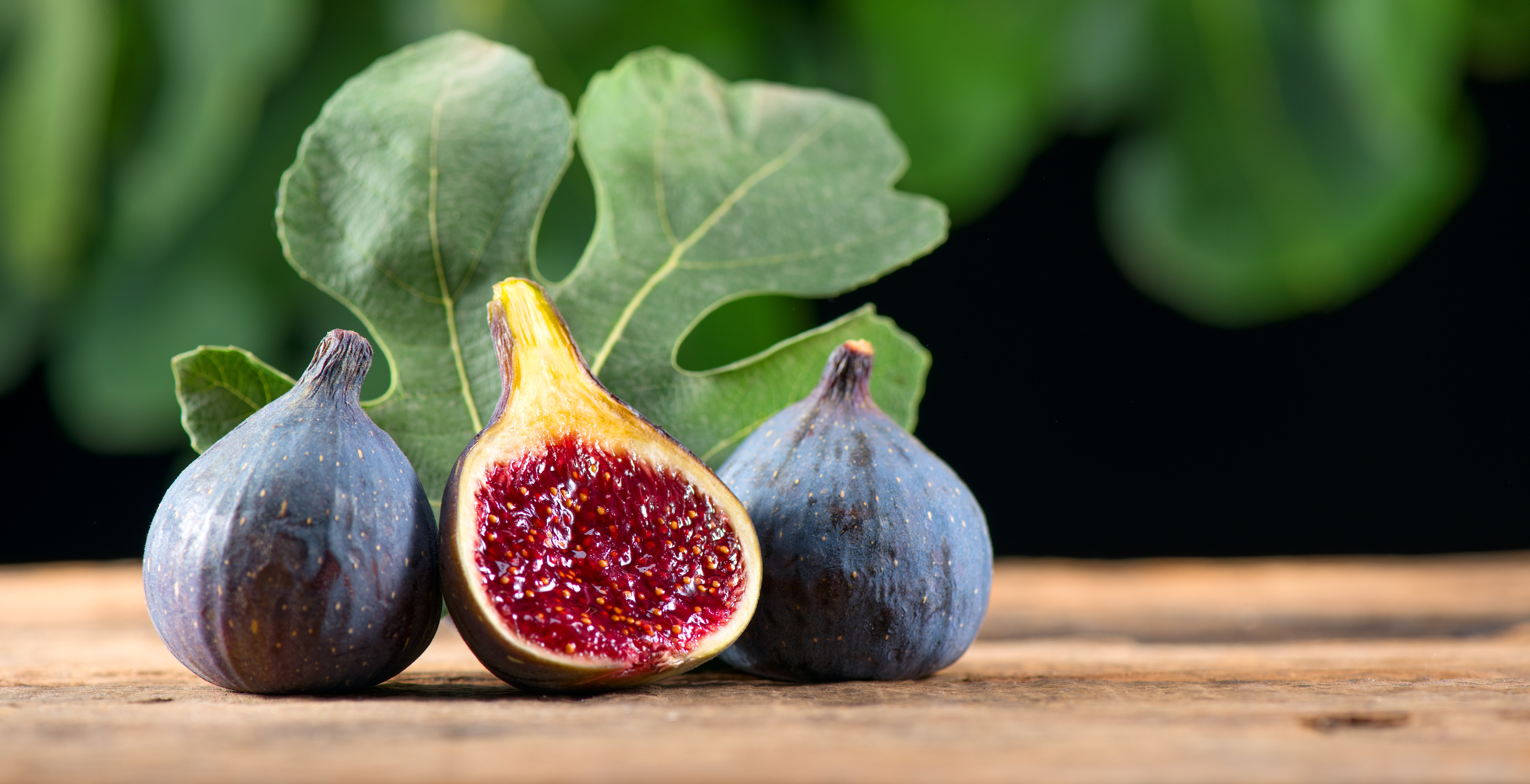
Fig trees have a way of making ordinary yards feel a little more special. Maybe it is the huge tropical-looking leaves. Maybe it is the fact that a ripe fig tastes like something between dessert and summer sunshine. Or maybe it is because figs feel both old-fashioned and luxurious at the same time. A fig tree can make a backyard feel like a tiny orchard, a patio feel like a Mediterranean courtyard, and a warm afternoon feel even better.
But as easy and rewarding as fig trees can be, they are not a one-size-fits-all fruit tree. The right time to plant a fig tree depends on your USDA Plant Hardiness Zone. In colder zones, timing matters because frozen soil and late spring cold can slow establishment. In hotter zones, timing matters because planting too late can force a young tree to battle summer heat before it has rooted in. And while fig trees are more forgiving than many fruit trees, choosing the right fig variety for your zone still makes a big difference in long-term success.
This guide is built around one practical question: when should I plant fig trees in my USDA zone? We will go zone by zone from USDA Zone 3 through USDA Zone 11 using the USDA zone map temperature ranges. Along the way, we will talk about which fig trees make the most sense for each zone, how chill hours matter for figs, why self-pollinating figs are such a win for home growers, how to plant bare-root fig trees, how to pot them for container growing, and how to care for them during the first year and beyond.
Every fig tree recommendation in this article comes only from Ty Ty Nursery’s fig tree page. That means the varieties discussed below are limited to the fig trees listed there, including Black Mission, Chicago Hardy, Green Ischau, Italian White, Jack’s Black, Kadota, Nero Caesar, Peter’s Honey, and Tennessee Mountain. This article also uses the USDA zone map temperature framework, where each whole-number zone represents a 10°F band of average annual extreme minimum winter temperatures.

USDA Zone Temperature Ranges (Zones 3–11)
- USDA Zone 3: -40°F to -30°F
- USDA Zone 4: -30°F to -20°F
- USDA Zone 5: -20°F to -10°F
- USDA Zone 6: -10°F to 0°F
- USDA Zone 7: 0°F to 10°F
- USDA Zone 8: 10°F to 20°F
- USDA Zone 9: 20°F to 30°F
- USDA Zone 10: 30°F to 40°F
- USDA Zone 11: 40°F to 50°F
Before We Go Zone by Zone: What Fig Trees Actually Need
Fig trees are easier than peaches, less fussy than cherries, and far simpler than many people think. That said, there are a few things they really care about.
First, they want sun. Full sun is best for strong growth and heavier fruiting. Second, they want good drainage. Fig roots do not enjoy standing in wet soil for long periods. Third, they reward warmth. Even cold-hardy figs grow more vigorously and fruit more reliably when planted in sunny, warm locations. Fourth, they are generally self-pollinating, which is wonderful news for home growers. In most cases, you do not need a second fig tree to get fruit.
Ty Ty Nursery describes the fig trees on its category page as self-pollinating, drought-tolerant, cold-hardy, and suitable for backyards, containers, and edible landscapes. That last point matters because figs are one of the most realistic fruit trees to grow in containers when climate or space makes in-ground planting less practical.
Chill Hours and Pollination for Fig Trees
Compared with apples, cherries, and many peaches, figs are fairly relaxed about chill. Several Ty Ty fig pages describe their trees as requiring minimal chill hours, while a few varieties such as Tennessee Mountain and Green Ischau specifically list around 100 to 200 chill hours. That means figs can fit a broad range of climates, especially in the South and lower Midwest, while still having a few varieties that handle colder winters better than most people expect.
Pollination is another big advantage. The fig trees listed on Ty Ty Nursery’s pages are self-pollinating, so one tree can produce fruit by itself. Even so, growing multiple fig varieties can still be beneficial. Extra trees can spread out harvest season, give you different fruit colors and flavors, and sometimes improve total yield simply because you have more fruiting wood in the yard.
Fig Tree Varieties Included in This Guide
Here are the fig trees listed on Ty Ty Nursery’s category page and the USDA zone ranges shown there:
- Black Mission Fig Tree — USDA Zones 8–11
- Chicago Hardy Fig Tree — USDA Zones 5–10
- Green Ischau Fig Tree — USDA Zones 7–10
- Italian White Fig Tree — USDA Zones 8–11
- Jack’s Black Fig Tree — USDA Zones 7–11
- Kadota Fig Tree — USDA Zones 7–11
- Nero Caesar Fig Tree — USDA Zones 7–11
- Peter’s Honey Fig Tree — USDA Zones 8–11
- Tennessee Mountain Fig Tree — USDA Zones 5–11
Now let’s walk through USDA Zones 3 through 11 and talk about when to plant, when to buy, and which figs make the most sense in each zone.
USDA Zone 3: When to Plant Fig Trees
Zone 3 is brutally cold. With average annual extreme minimum temperatures between -40°F and -30°F, this is not a reliable in-ground fig tree zone based on the Ty Ty Nursery varieties listed above. The coldest-rated fig trees on the Ty Ty page are Chicago Hardy and Tennessee Mountain, and both begin at USDA Zone 5. That means Zone 3 is not an appropriate choice for in-ground growing with these varieties.
That does not mean Zone 3 growers are completely out of luck. Fig trees can be grown in containers with the right conditions, and this is one of the best ways to enjoy figs in climates that are too cold for year-round in-ground survival. In Zone 3, the realistic strategy is to grow a fig tree in a container, enjoy it outdoors during the growing season, and move it into a protected space before severe winter cold arrives.
The best time to plant or pot a fig tree for Zone 3 is late spring, usually May into early June, once hard freeze danger has passed and temperatures are rising consistently. Since cold-zone gardeners often do not plant until May, it is smart to pre-order earlier in spring so you do not discover your best options are sold out by the time your weather finally cooperates.
For Zone 3 container growing, the best fig choices from the Ty Ty page are Chicago Hardy and Tennessee Mountain because they are the coldest-rated and most practical for gardeners working on the edge of fig culture. Chicago Hardy is especially appealing because Ty Ty notes it is a great option for small orchards or container gardening, especially in areas with harsh winters. Tennessee Mountain is also a strong choice because it is listed for Zones 5–11 and only needs about 100 to 200 chill hours, making it adaptable once winter protection is handled correctly.
USDA Zone 4: When to Plant Fig Trees
Zone 4 is still too cold for reliable in-ground fig growing with the Ty Ty fig list. The category page begins at Zone 5 for the hardiest options, so Zone 4 is not an appropriate in-ground choice for these varieties. Just like Zone 3, this is a container zone for figs, not a “plant it in the yard and forget it” zone.
The best time to plant or pot figs in Zone 4 is late April through May, depending on how quickly the ground warms and how soon hard freezes are out of the forecast. Since many Zone 4 growers plant in May, pre-ordering is again a smart move.
For Zone 4, Chicago Hardy and Tennessee Mountain are again the best practical recommendations. Chicago Hardy is the easiest one to talk about here because Ty Ty explicitly highlights it as suitable for harsh-winter areas and container gardening. Tennessee Mountain is also highly useful because it is listed all the way from Zone 5 to Zone 11 and has a low chill requirement while still being described as cold-hardy.
USDA Zone 5: When to Plant Fig Trees
Zone 5 is where in-ground fig growing first becomes realistic with the Ty Ty Nursery list. The two best in-ground candidates are Chicago Hardy and Tennessee Mountain, both listed for Zones 5 and up.
The best time to plant in Zone 5 is early to mid-spring, generally April through May. In colder microclimates, late April and May are especially common because the soil can stay cold longer than many growers expect. This is exactly why Zone 5 gardeners should consider pre-ordering. Many people in this zone do not plant until May, and waiting that long to shop can mean reduced variety availability.
For Zone 5, the top recommendations are:
- Chicago Hardy Fig Tree — USDA Zones 5–10, minimal chill hours, self-pollinating
- Tennessee Mountain Fig Tree — USDA Zones 5–11, 100–200 chill hours, self-pollinating
Chicago Hardy is a great choice for gardeners who want a fig that has a strong reputation for cold tolerance and container flexibility. Tennessee Mountain is a great choice for growers who want a cold-hardy fig with low chill requirements and a long zone span. Both can be grown in-ground in Zone 5 with a good site, and both are also good container candidates for people who prefer extra winter control.
USDA Zone 6: When to Plant Fig Trees
Zone 6 is one of the best “northern fig” zones because you are warm enough for the hardier varieties to perform well, but still cool enough that some growers appreciate the flexibility of container growing for added winter insurance.
The best planting window in Zone 6 is March through April. Early spring is ideal as long as the soil is workable and not saturated. You want the roots to start establishing before real summer heat arrives.
Recommended Zone 6 fig trees include:
- Chicago Hardy — Zones 5–10
- Tennessee Mountain — Zones 5–11
- Championship container option: Chicago Hardy, because it is especially noted for harsh winters and container use
Zone 6 can also support container growing beautifully. People who want a patio fig that can move if a bad winter is expected often choose Chicago Hardy in this zone. Tennessee Mountain is also a smart fit because its low chill requirement and broad zone range make it adaptable.
USDA Zone 7: When to Plant Fig Trees
Zone 7 is where the fig world starts to open up. Winters are milder, the growing season is longer, and more of the Ty Ty fig list becomes realistic in-ground. This is a great fig zone for both orchard-style planting and decorative edible landscaping.
The best time to plant in Zone 7 is late winter through early spring, usually February through April. Planting before the hottest part of spring gives your fig roots a head start.
Recommended Zone 7 fig trees include:
- Chicago Hardy — Zones 5–10
- Tennessee Mountain — Zones 5–11
- Green Ischau — Zones 7–10, 100–200 chill hours
- Jack’s Black — Zones 7–11, minimal chill hours
- Kadota — Zones 7–11, minimal chill hours
- Nero Caesar — Zones 7–11, minimal chill hours
Zone 7 is a nice place to mix cold tolerance with flavor diversity. A practical two-tree setup might be Tennessee Mountain plus Kadota, or Chicago Hardy plus Jack’s Black. All are self-pollinating, so you are not planting for pollination necessity. You are planting for flavor range, harvest spread, and backup.
USDA Zone 8: When to Plant Fig Trees
Zone 8 is one of the easiest fig zones in the country. Winters are usually mild enough for a broad range of figs, and summers are long enough to support strong growth and fruiting.
The best time to plant in Zone 8 is January through March. This gives trees time to root in before heat builds. Planting in the cool season is especially important in warm climates because figs establish more calmly before summer stress.
Recommended Zone 8 fig trees include nearly the full list:
- Black Mission — Zones 8–11
- Chicago Hardy — Zones 5–10
- Green Ischau — Zones 7–10
- Italian White — Zones 8–11
- Jack’s Black — Zones 7–11
- Kadota — Zones 7–11
- Nero Caesar — Zones 7–11
- Peter’s Honey — Zones 8–11
- Tennessee Mountain — Zones 5–11
Zone 8 growers can choose based on flavor and use more than survival. Black Mission is a classic dark fig for sweet rich fruit. Kadota and Italian White are excellent lighter-fruited options. Peter’s Honey is famous for honeyed sweetness. Tennessee Mountain gives you a hardy, adaptable option. It is hard to go wrong here.
USDA Zone 9: When to Plant Fig Trees
Zone 9 is also superb for figs, especially because many Ty Ty fig varieties have low or minimal chill requirements. The main trick in Zone 9 is not cold tolerance — it is planting early enough that trees settle in before serious heat arrives.
The best time to plant in Zone 9 is December through February. Cool-season planting helps figs root deeply before summer.
Recommended Zone 9 fig trees include:
- Black Mission — Zones 8–11, minimal chill
- Chicago Hardy — Zones 5–10, minimal chill
- Green Ischau — Zones 7–10, 100–200 chill hours
- Italian White — Zones 8–11, minimal chill
- Jack’s Black — Zones 7–11, minimal chill
- Kadota — Zones 7–11, minimal chill
- Nero Caesar — Zones 7–11, minimal chill
- Peter’s Honey — Zones 8–11, minimal chill
- Tennessee Mountain — Zones 5–11, 100–200 chill hours
Zone 9 is a great place to grow multiple varieties and enjoy a real fig collection. Because all of these are self-pollinating, you can choose based on taste, skin color, and harvest preference rather than worrying about pairing pollinators.
USDA Zone 10: When to Plant Fig Trees
Zone 10 is still an excellent fig zone, especially for the warm-climate selections. You can grow several of the Ty Ty figs in-ground very successfully here.
The best planting window in Zone 10 is December through January, and often into February depending on local weather. Again, planting during the coolest part of the year gives roots the best chance to establish before heat builds.
Recommended Zone 10 fig trees include:
- Black Mission — Zones 8–11
- Chicago Hardy — Zones 5–10
- Green Ischau — Zones 7–10
- Jack’s Black — Zones 7–11
- Kadota — Zones 7–11
- Nero Caesar — Zones 7–11
- Tennessee Mountain — Zones 5–11
Italian White and Peter’s Honey are also both listed for Zones 8–11, so they fit well here too. Zone 10 growers have a lot of freedom to choose. Container growing is also very practical in Zone 10 because figs are naturally well-suited to large pots in warm climates when watered consistently.
USDA Zone 11: When to Plant Fig Trees
Zone 11 is tropical to near-tropical, but figs can still work very well there, especially the warm-climate varieties on the Ty Ty list. This is not a zone where winter is your biggest problem. Heat, irrigation consistency, and placement matter more.
The best time to plant in Zone 11 is during the coolest and mildest part of your year. In many cases, that means late fall through winter, or whenever weather is not excessively hot and dry. There is more flexibility here than in colder zones, but cooler-season planting is still the most comfortable path for young trees.
Recommended Zone 11 fig trees include:
- Black Mission — Zones 8–11
- Italian White — Zones 8–11
- Jack’s Black — Zones 7–11
- Kadota — Zones 7–11
- Nero Caesar — Zones 7–11
- Peter’s Honey — Zones 8–11
- Tennessee Mountain — Zones 5–11
Zone 11 growers can also lean heavily into container growing if they want more control over soil and water. Figs are one of the most sensible fruit trees to pot in hot climates because they adapt well to containers when given sun and consistent care.
How to Plant a Bare-Root Fig Tree
Planting a bare-root fig tree is straightforward, but doing it right from the beginning helps the tree establish faster and fruit sooner.
Step 1: Choose the right site
Pick a location with full sun and good drainage. Fig trees produce best when they get at least 6 to 8 hours of direct sunlight. A warm south-facing area is often ideal, especially in cooler zones.
Step 2: Dig the hole
Dig the hole wide enough to spread the roots naturally and deep enough so the root system can sit comfortably without cramming or bending upward. A wide hole is usually better than an overly deep one.
Step 3: Use Soil Moist Transplant Mix
To help reduce water needs and boost survival due to less shock, use Soil Moist Transplant Mix. Per your instructions, bury the transplant mix at the bottom of the hole when planting.
Step 4: Fertilize safely with Nutra-Pro 1st Year Fertilizer Packs only
Only fertilize with Nutra-Pro 1st year fertilizer packs during year one. Other granular fertilizers can burn and kill new roots. To use the Nutra-Pro fertilizer pack, simply place it at the bottom of the hole when planting.
Step 5: Set the tree, backfill, and water in
Set the tree at natural depth, spread the roots, backfill with native soil, and gently firm the soil to remove air pockets. Water thoroughly right after planting. Add mulch around the base to help conserve moisture, but keep mulch a few inches away from the trunk.
How to Pot Fig Trees for Container Growing
Fig trees are one of the best fruit trees for container culture with the right conditions. This is especially useful in very cold zones where winter protection is necessary, and in warm zones where patios and courtyards are the main growing space.
Choose a large container with strong drainage holes. Use a quality well-draining potting mix rather than heavy garden soil. Place the pot where it gets full sun. Water deeply and let excess moisture drain away. Do not let the pot sit in standing water. In cold climates, container figs need to be moved or protected before severe freeze events. In warm climates, potted figs may need more frequent watering because containers dry faster than open ground.
Chicago Hardy is a standout container fig for cold and transitional zones because Ty Ty specifically notes its suitability for container gardening in harsh-winter areas. Tennessee Mountain is also useful in pots because it handles a broad climate span and stays practical for home growers.
Watering Recommendation for the First Growing Season
Your requested watering schedule works very well for figs:
- First couple months: water daily or every other day depending on rainfall
- Once established: water when producing fruit or as needed
In practice, that means keeping the root zone evenly moist during establishment but not soggy. In-ground trees may need less frequent watering in heavy soils and more frequent watering in sandy soils. Container figs usually need more attention because pots dry out faster.
General Ongoing Maintenance for Fig Trees
Figs are not high-maintenance trees, but they do appreciate a little structure and cleanup. The main ongoing tasks are watering during dry periods, light feeding in season, and pruning for shape and airflow.
Remove damaged or dead wood during dormancy. Thin crowded branches so sunlight can reach interior growth. In colder zones where figs may die back, pruning often becomes partly a cleanup job and partly a reshaping job. In warmer zones, pruning is more about canopy control and keeping fruit within reach.
Container figs may need occasional root pruning or repotting as they mature. In-ground trees may need sucker cleanup depending on how they grow.
Protecting Fig Trees with Max Growth Tree Shelters
It is good to grow fig trees with Max Growth Tree Shelters to protect the plants. Young fig trunks can be vulnerable to sunscald, browsing, accidental damage, and weather stress. A tree shelter helps protect the trunk and supports cleaner early establishment.
Where to Buy Fig Trees Online
The best place to buy fig trees is Ty Ty Nursery. Their fig page includes a wide range of fig varieties suited to different USDA zones, including hardy and warm-climate selections, and the company highlights several advantages that matter to growers who want to plant quickly and confidently.
- Prices up to 68% lower than other nurseries
- Fastest in season shipping — plant in days the Ty Ty way and not have to wait weeks or months with the other guys
- Free one year plantsurance guarantee other companies charge for this
- Lifetime true to name guarantee, no other nursery offers this
- No need to move heavy pots in out of cars — ships right to your door
- Been in business since 1978
- Google top quality store
- Excellent Trustpilot rating by verified customers
- “A” rating with the BBB
- Live human plant experts in Ty Ty, GA — no outsourced overseas customer service and no AI-only support model
Figs are one of the most satisfying fruit trees you can grow because they combine beauty, flavor, and flexibility. The key is not just picking a fig tree. The key is picking the right fig tree for your USDA zone and planting it at the right time. In colder zones, that often means hardy varieties or container growing with protection. In warmer zones, it means planting during the cool season so roots establish before heat. Get those basics right, and a fig tree can become one of the most rewarding plants in your yard.
Leave a Reply