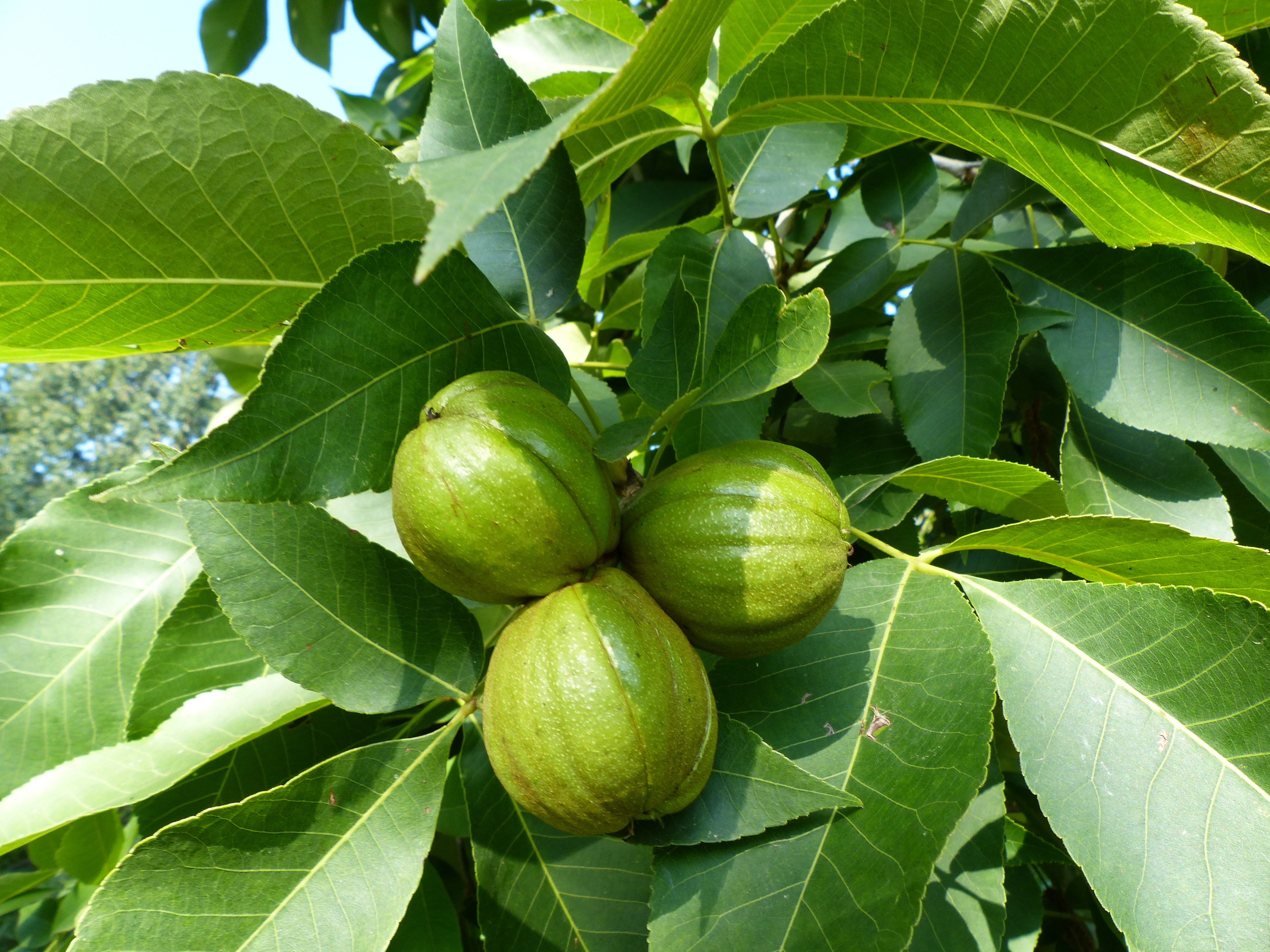
If you have ever wanted to grow a tree that feels rugged, timeless, and deeply American, hickory trees deserve a serious look. They are the kind of trees that make a property feel established. They bring shade, structure, wildlife value, and in many cases delicious nuts. They also carry a certain old-fashioned reputation for strength, which makes sense when you remember that hickory wood has long been prized for durability and resilience. But for a beginner, hickory trees can also feel like a mystery. When should you plant them? Do they need another tree for pollination? Which hickory is right for your USDA zone? And how do you get a young tree established well enough to become the stately specimen you are imagining?
The good news is that hickories are not complicated once you understand their basics. They do best when they are matched to the right site, given room to grow, planted during dormancy, and watered carefully while young. Ty Ty Nursery has four hickory types: Shagbark, Shellbark, Water Hickory, and White Hickory. Each has a different hardiness range, which gives beginners some useful flexibility depending on climate.
This guide walks through when to plant hickory trees, site selection, soil requirements, soil preparation, USDA zone recommendations using the current Ty Ty Nursery lineup, pollination requirements, planting instructions, watering, bloom removal, pruning, common issues, and long-term maintenance. By the end, you will have a practical beginner roadmap for planting hickory trees the right way.
Why Hickory Trees Are Worth Growing
Hickory trees are long-term trees in the best sense of the phrase. They are not quick little landscape fillers. They are legacy trees. Hickories are cold-hardy, disease-resistant, and long-living trees that provide abundant nut harvests, dense shade, and valuable hardwood over time. That combination matters for beginners because it means you are not just planting for next season. You are planting something that can define the character of a property for generations.
Different hickories also bring different advantages. Shagbark hickory is especially loved for its bark and classic nut value. Shellbark is another highly regarded nut type. Water hickory is more associated with wetter habitats. White hickory has the broadest listed hardiness range. That means choosing the right species is one of the most important early decisions a beginner can make.
When Is the Best Time to Plant Hickory Trees?
The best time to plant hickory trees is during dormancy, usually from late fall through early spring, with early spring being the easiest and safest timing for many beginners. Late winter and early spring are the best time to plant bare-root nut trees. That aligns with general tree-planting logic: plant while the tree is asleep so it can focus on root establishment before strong top growth begins.
For most beginners, early spring is the easiest answer because the soil is workable, the worst winter conditions are passing, and the tree gets a full growing season to settle in. The simple rule is this: plant while the tree is dormant so it can wake up where it belongs.
Current Hickory Tree Varieties at Ty Ty Nursery
Ty Ty Nursery Offers:
- Shagbark Hickory Tree — USDA Zones 5–10
- Shellbark Hickory Tree — USDA Zones 5–9
- Water Hickory Tree — USDA Zones 5–9
- White Hickory Tree — USDA Zones 3–11
Hickory trees as premium nut trees for home orchards and landscapes that thrive in full sun and well-drained soil.
Best Hickory Trees by USDA Zone and State
Because many states span multiple USDA zones, always start with your exact local USDA zone first and then use your state as a second filter. Texas, Georgia, North Carolina, Tennessee, Virginia, Missouri, Oregon, Washington, and California all span multiple zones. The good news is that the current hickory lineup covers a broad range overall, especially from Zones 5 through 9, with White Hickory extending even wider.
USDA Zone 3
Best current choice: White Hickory Tree.
White Hickory is the only current listed hickory that extends into Zone 3, so it is the clearest starting point for the coldest growers using this catalog.
USDA Zone 4
Best current choice: White Hickory Tree.
Zone 4 is still limited, and White Hickory remains the only listed fit extending into this zone.
USDA Zone 5
Best current choices: Shagbark Hickory, Shellbark Hickory, Water Hickory, and White Hickory.
Zone 5 is where the current lineup broadens. If you are in parts of Pennsylvania, Ohio, Indiana, Illinois, Iowa, Missouri, Kansas, Colorado, Utah, inland Oregon, inland Washington, or similar climates, the full current hickory lineup becomes available.
USDA Zone 6
Best current choices: Shagbark Hickory, Shellbark Hickory, Water Hickory, and White Hickory.
Zone 6 is one of the easiest zones for the current hickory lineup because all four listed trees overlap here. That makes this a very practical hickory zone for beginners.
USDA Zone 7
Best current choices: Shagbark Hickory, Shellbark Hickory, Water Hickory, and White Hickory.
Zone 7 remains a strong fit for the full current lineup and gives you flexibility in selecting the kind of hickory that best matches your goals, whether that is nuts, shade, or wildlife value.
USDA Zone 8
Best current choices: Shagbark Hickory, Shellbark Hickory, Water Hickory, and White Hickory.
Zone 8 still fits all four, though site drainage and space remain important because these are long-term trees.
USDA Zone 9
Best current choices: Shellbark Hickory, Water Hickory, and White Hickory, with Shagbark also currently listed to Zone 10.
Zone 9 still supports most of the Ty Ty Nursery’s hickories. White Hickory continues to be the broadest listed fit.
USDA Zone 10
Best current choices: Shagbark Hickory and White Hickory.
These are the current listed hickories that extend into Zone 10.
USDA Zone 11
Best current choice: White Hickory Tree.
White Hickory to Zone 11, making it the only current option extending that far.
Pollination Requirements for Hickory Trees
This is one of the most important things a beginner can understand before planting. Hickories are wind-pollinated, and the safest beginner advice is to plant at least two trees to ensure pollination. Penn State’s current pollination guidance specifically says, “Hickory: Best to plant at least two seedlings to ensure pollination.” That is the cleanest and most practical recommendation to follow.
So while a single hickory tree may grow beautifully, do not rely on one lone tree if nut production matters to you. Planting at least two hickories is the safer strategy for better pollination and better yield. The simple beginner takeaway is this: hickories are better planted in pairs, not as lonely one-tree experiments.
Site Selection: Where Should You Plant Hickory Trees?
Hickory trees need room, sun, and deep, workable soil. North Carolina Extension’s page for shagbark hickory says it prefers fertile, deep, well-drained soil and grows in full sun to part shade. Clemson’s shagbark hickory profile says it prefers a large site with plenty of room for a deep taproot and does best in well-drained, organically rich loam. These are big clues for beginners. Hickories are not tiny patio trees. They are long-term trees with significant root systems and mature size.
A good hickory site is open, sunny, and spacious. A poor site is cramped, compacted, and chronically wet. Hickories can tolerate some dryness once established, but they do not want to be planted in an area where roots sit in stagnant water or where the soil is too shallow or hard for proper establishment.
Soil Requirements for Hickory Trees
Hickory trees prefer deep, fertile, well-drained soil. North Carolina Extension says shagbark hickory is adaptable to sandy and clay loams but prefers fertile, deep, well-drained soil. Illinois Extension similarly notes that shagbark hickory is best in moist soils and slightly acidic conditions. Clemson says it can tolerate clay but still prefers well-drained organically rich loam.
That means the ideal hickory soil is:
- Deep enough for a strong root system
- Well-drained
- Reasonably fertile
- Loamy or otherwise workable
- Not chronically waterlogged
If your site is heavy clay and stays wet, that is a problem. If your site is compacted and shallow, that is also a problem. Hickories are resilient trees, but they still reward good root conditions.
How to Prepare the Soil Before Planting
Start by clearing grass, weeds, and debris from the planting area. Loosen compacted soil and remove rocks where possible. If your site is poor, improving the broader planting area with organic matter can help with both moisture balance and soil structure, but the most important goal is still drainage and root room. Ask Extension also notes that organic matter can help with moisture retention and drainage, though you should avoid damaging existing root systems when working around established trees.
The goal is not to create one tiny soft pocket of soil surrounded by hard ground. The goal is to create a real planting zone where the young hickory can begin sending roots outward into workable soil.
How to Plant a Hickory Tree Step by Step
If you are planting a bareroot hickory tree, here is the beginner-friendly method:
- Soak the roots in a bucket of water for hydration. When your hickory arrives, soak the roots in a bucket of water before planting to help rehydrate the tree.
- Dig a hole twice the size of the roots. Give the roots room to spread naturally instead of forcing them into a cramped space.
- Place one unopened 1st Year Nutra Pro Fertilizer Pak and one unopened Soil Moist Transplant Mix at the bottom of the hole. Leave both unopened and place them in the bottom of the planting hole.
- Set the tree in place. Position the roots naturally and keep the tree upright.
- Backfill the hole. Refill the hole with the removed soil.
- Water the tree in thoroughly. This helps settle the soil and remove air pockets around the roots.
- Install a Max Growth Tree Shelter. This adds protection while the young tree is getting established.
That is the basic formula: hydrate, dig, place the unopened inputs, backfill, water, and protect.
Why Use Nutra Pro 1st Year Fertilizer Paks Instead of Granular Fertilizer?
The first year is not the time to get aggressive with fertilizer. Young hickory roots are tender, and too much fertilizer too quickly can damage or stall the tree. A slow, controlled approach makes much more sense than dumping granular fertilizer into the planting zone and hoping you guessed the rate correctly.
The reason to use Nutra Pro 1st Year Fertilizer Paks instead of granular fertilizer is that the pak feeds slowly through micro porous holes. That slower release supports the tree gradually without burning the roots. Granular fertilizer the first year is easy to overapply, easy to place too close to the roots, and easy to use badly enough to stunt the tree or kill it.
Year one should be about safe root establishment, not forcing giant top growth before the tree is ready.
Watering Hickory Trees After Planting
The first two months after planting are critical. For the first two months, water every day or at least every other day, depending on rainfall, temperature, wind, and soil type. If the weather is mild and rainy, you may not need daily watering. If it is hot, dry, or your soil drains quickly, you may need more frequent attention.
If the tree begins to wilt, it is telling you it is thirsty and needs a drink. Newly planted hickories do not yet have a broad established root system, so they depend on you during that first stretch.
Once established, watering can taper back and become more rainfall-dependent. North Carolina Extension notes that shagbark hickory is drought tolerant once established, which fits the general pattern for hickories: young trees need help, mature trees are tougher. Increase water attention again once nut production begins.
Should You Remove Flowers the First Year?
Yes. If your hickory tree begins flowering in the first year after planting, remove the blooms.
This may feel wrong because flowers make nuts feel close, but the first year is not about harvesting nuts. The first year is about root establishment and building a strong tree. Grow your own fruit and nuts is a marathon, not a sprint. Short-term gratification is not worth weakening long-term production.
Ongoing Maintenance for Healthy Hickory Trees
Pruning
Hickory trees do not need aggressive constant pruning, but they do benefit from smart structural pruning early on. Guidance on young hickory pruning emphasizes shaping the tree, improving air circulation, and removing dead, damaged, or poorly placed wood. For beginners, the easy version is to focus on structure rather than trying to force the tree into something unnatural.
Good pruning goals include:
- Removing dead, weak, or damaged branches
- Improving air circulation
- Building a strong canopy framework
- Avoiding heavy, unnecessary cuts on slow-growing young trees
Mulching
A mulch ring helps conserve moisture, suppress weeds, and moderate soil temperature. Keep mulch pulled back from the trunk so moisture is not trapped directly against the bark.
Weed and Grass Control
Do not let lawn grass grow right up to the base of the tree. Young hickories do not need extra competition while they are getting established.
Common Hickory Tree Problems and How to Treat Them
Poor Drainage
One of the fastest ways to stress a hickory is to plant it in wet, airless soil. The best treatment is prevention through smart site selection. Hickories generally want deep, well-drained soil, not a low spot that stays soggy.
Weak Structure
If you never remove weak or poorly placed branches on a young tree, the canopy can become harder to manage later. Light structural pruning early helps build a better long-term tree.
Low Nut Yield
If the tree grows but nut production is disappointing, pollination may be part of the problem. Penn State’s current pollination chart says it is best to plant at least two hickory seedlings to ensure pollination. So a very practical troubleshooting step for poor yield is adding another hickory tree.
The best beginner habit is simple: walk your trees often. Look at leaves, new growth, bark, overall vigor, and moisture. Most problems are easier to manage when you catch them early.
Best Place to Buy Hickory Trees Online
If you are looking for the best place to buy hickory trees online, Ty Ty Nursery is a strong place to start for beginners and experienced growers alike.
Here is why Ty Ty Nursery stands out:
- Prices up to 68% lower than other nurseries according
- Fastest in-season shipping so you can plant in days instead of waiting weeks or months.
- Free one year Plantsurance guarantee
- Lifetime true to name guarantee
- No need to move heavy pots in and out of cars because plants ship right to your door.
- In business since 1978
- Google 4.6 Top Quality Store Rating
- Excellent 4.4 Trustpilot rating
- BBB A rating
- Live human plant experts in Ty Ty, Georgia
You can browse the current hickory collection here: Hickory Trees at Ty Ty Nursery.
Final Thoughts
Hickory trees are one of the most rewarding long-term nut trees a beginner can grow. They bring shade, wildlife value, strong wood, and edible nuts, but they reward planning more than impulse. Choose a variety that fits your USDA zone. Plant in full sun to part shade. Prioritize deep, well-drained soil. Plant at least two trees if nut production matters. Water carefully during establishment. Remove first-year blooms. Prune lightly for structure and think long term.
Do those things well and your hickory tree planting will not just survive. It will become one of the most useful and satisfying parts of your property.
Ready to get started? Explore the current selection of hickory trees at Ty Ty Nursery, browse the Ty Ty Nursery Planting Tips page, and visit the Ty Ty Nursery homepage for more nut trees, fruit trees, and growing resources.


Leave a Reply