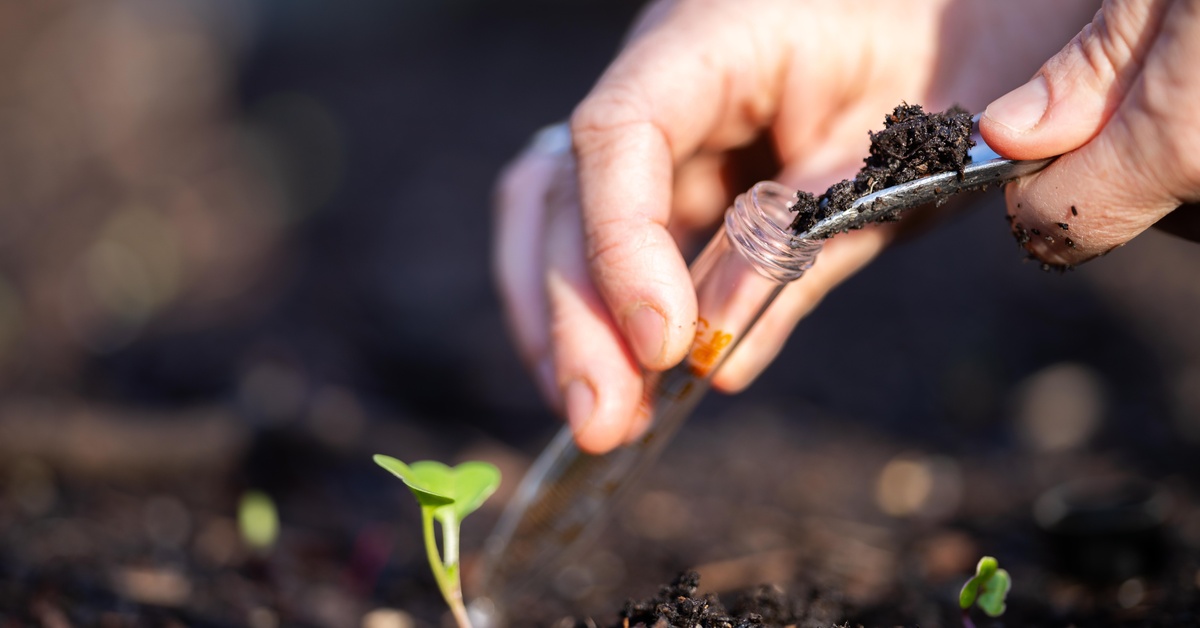
If your plants look a little underwhelming or your harvest falls short, your soil may need attention. The good news is that you don’t need fancy equipment or years of experience to get it back on track. Finding out how to test and improve your garden soil starts with a few straightforward steps that anyone can follow at home. With a little effort, you can turn average soil into a thriving foundation for fruit trees, berry bushes, and more. Learn how to dig in and take control of your soil’s health right now.
Why Soil Health Matters More Than You Think
Healthy soil supports every part of your garden. It feeds your plants, holds moisture, and helps roots spread with ease. When soil lacks nutrients or structure, plants struggle to grow strong and produce well.
Think of soil as the base layer of your entire garden. A fruit tree planted in rich, balanced soil has a much better chance to thrive than one stuck in compact, lifeless ground. Even the best plants from a nursery can’t reach their full potential without support beneath the surface. Once you understand what your soil needs, you can adjust it and see real improvement across your entire yard.
Start With a Simple Soil Test
Before you add anything to your soil, take time to learn what you’re working with. Testing gives you a clear picture of nutrient levels and pH, which tells you how acidic or alkaline your soil is. You can pick up a basic soil test kit online or at a garden center. These kits measure nutrients like nitrogen, phosphorus, and potassium.
Some kits also check pH levels, which plays a huge role in how plants absorb nutrients. For a more detailed report, you can send a sample to a local extension service. This option provides a deeper breakdown, which helps if you plan to grow fruit trees or long-term crops.
Check Soil Texture by Hand
A quick hands-on test can tell you a lot about your soil’s structure. Grab a handful of damp soil and squeeze it. If it crumbles easily, you likely have sandy soil. However, if it forms a sticky ball, clay is dominant.
Soil that holds shape but breaks apart with light pressure is a good indicator that you’ve got loamy soil, which tends to support the widest range of plants. It drains well while still holding enough moisture. Sandy soil drains too fast, while clay holds water and can feel heavy. This quick check helps guide what kind of improvements your soil needs next.

Understand Soil pH and Why It Matters
Soil pH affects how plants take in nutrients. Even if nutrients are present, plants may not absorb them if the pH sits outside a comfortable range. Most garden plants, including fruit trees and berry bushes, prefer slightly acidic to neutral soil. If your soil test shows extreme acidity or alkalinity, you can adjust it over time.
Lime raises pH in acidic soil, and sulfur lowers pH in alkaline soil. These changes don’t happen overnight, so patience helps. Gradual adjustment leads to better long-term results.
Add Organic Matter for Better Structure
One of the best ways to improve soil is to add organic matter. Compost, aged manure, and leaf mold all enrich soil and improve texture. Organic matter helps sandy soil hold moisture. It also loosens clay soil, which allows roots to spread more freely.
Over time, organic matter supports beneficial microbes that contribute to plant health. Spread a few inches of compost across your garden beds and mix it into the top layer of soil. Repeat this process each season to keep soil in great shape.
Boost Nutrients With Natural Amendments
Once you know your soil’s nutrient levels, you can add what’s missing. Natural amendments work well and support long-term soil health. Some popular options include:
- Bone meal for phosphorus
- Blood meal for nitrogen
- Wood ash for potassium
Use these in moderation and follow instructions from your soil test. Too much of any nutrient can throw things off balance. These additions support strong plant growth and better yields in your garden.
Improve Drainage and Water Retention
Water management plays a big role in soil performance. Poor drainage can lead to root problems, while fast-draining soil may leave plants thirsty. If your soil holds too much water, mix in compost or coarse sand to improve drainage.
Raised beds can also help keep roots from sitting in excess moisture. If water drains too quickly, organic matter helps slow things down. Mulch on top of the soil also retains moisture and protects the surface from drying out.
Rotate Crops and Avoid Soil Fatigue
Planting the same crops in the same spot year after year can wear out your soil. Different plants pull different nutrients, so rotation helps maintain balance. For example, follow heavy feeders like tomatoes or fruiting plants with legumes, which help restore nitrogen. This natural cycle keeps soil healthier without relying too heavily on additional products. Crop rotation also helps reduce pests and disease buildup in your garden beds.

Watch for Signs Your Soil Needs Help
Your plants can tell you a lot about your soil. Pay attention to how they grow and look throughout the season. Some common signs include:
- Yellow leaves, which may point to nutrient issues
- Slow growth, which can link to poor soil structure
- Wilting despite watering, which may indicate drainage problems
These clues help you adjust your approach and fine-tune your soil care routine. A strong foundation begins learning with how to test and improve your garden soil, and once you get it right, the results speak for themselves.
Creating a Thriving Garden
When you take the time to understand and improve your soil, everything else in your garden starts to fall into place. Healthy soil supports stronger roots, better growth, and more productive plants across the board. From fruit trees to berry bushes, your plants depend on what’s beneath them.
With the right approach, you can create a space where everything has a chance to thrive. If you’re ready to upgrade your garden from the ground up, start with your soil and build from there. Explore high-quality options to purchase pecan trees and other great plants that pair perfectly with well-prepared soil, and set your garden up for lasting success.

Leave a Reply