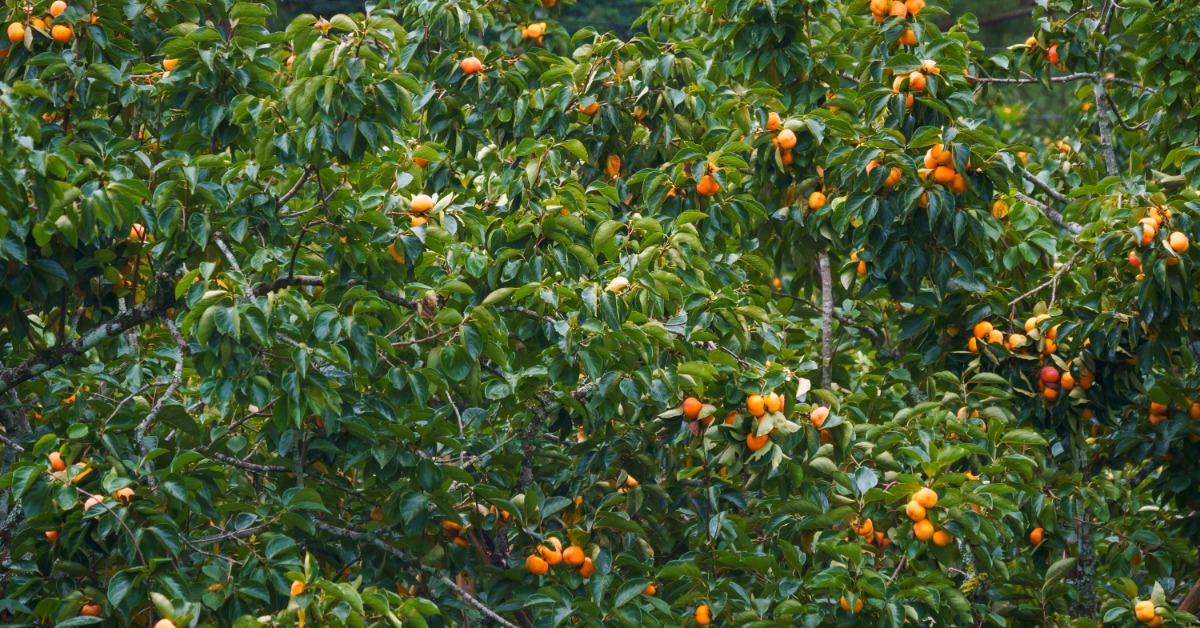
Persimmon trees can turn a yard into a colorful little orchard. The fruit has rich flavor, smooth texture, and bright orange color that stands out each fall. Many homeowners love the laid back nature of these trees, yet a few setbacks can pop up along the way.
Dry leaves, weak fruit sets, and slow growth can frustrate new growers fast. The good news is that most issues have clear fixes with a bit of care and patience. Fixing common problems when growing persimmon trees starts with a close look at tree health, soil, water, and sun exposure. Learn more about these common issues so you can prevent them from ruining your garden.
1. Leaf Drop After Planting
Leaf drop can scare first-time growers. A young persimmon tree may lose leaves soon after arrival or right after a move into the yard. This issue tends to come from transplant stress rather than disease.
Roots need time to settle into fresh soil. During that adjustment phase, the tree may focus energy below ground instead of leaf health. A deep soak every few days can help the roots settle faster. Mulch near the base can hold soil moisture and block heat stress.
Avoid heavy fertilizer right after transplant. Too much plant food can push extra stress onto young roots. Give the tree a few weeks of calm care, and fresh leaf growth should return.
2. Fruit Falls Before Ripeness
Early fruit drop can feel disappointing after months of care. Small green fruit may fall long before harvest time. This issue can stem from uneven water levels, poor pollination, or tree stress.
Persimmon roots like deep water rather than quick shallow sprays. A long soak once or twice each week can help fruit stay on the branches. Fruit loss can also happen during the first few years. Young trees may not have enough strength for a large fruit load yet. As the tree matures, fruit production tends to improve.
3. Slow Growth During Early Years
Persimmon trees can test patience. Some young trees grow at a relaxed pace during the first few seasons. That slow pace does not always point toward trouble.
Roots usually take priority first. Once root systems spread through the soil, branch growth tends to pick up speed. Full sun can help the tree gain strength faster.
Heavy shade can slow progress quite a bit. A spot with six to eight hours of direct sunlight will support better branch and leaf growth. Soil with rich organic matter also helps support healthy root development.

4. Yellow Leaves During Summer
Yellow leaves can point toward a few different issues. Water stress sits near the top of the list. Too much water can suffocate roots, and dry soil can push leaf decline.
Take a close look at soil texture near the root zone. Sticky wet soil may signal poor drainage. Dry, cracked dirt can show a lack of water. A balanced watering routine tends to help the tree recover.
Low nutrient levels also lead to pale leaves. Compost or a balanced fruit tree fertilizer can help restore healthy color. Avoid huge fertilizer doses since excess nutrients can stress the tree.
5. Weak Fruit Production
A healthy tree with little fruit can frustrate homeowners after years of care. Lack of sunlight stands out as one common cause. Persimmons need strong sun exposure for solid fruit sets.
Pruning habits can also affect harvest size. Too many branch cuts can remove future fruit sites. Light pruning works better than harsh cuts for most mature persimmon trees.
6. Pest Trouble on Leaves or Fruit
Persimmon trees do not attract huge pest pressure compared with some fruit trees, but insects can still show up from time to time. Aphids, scale insects, and caterpillars rank among the usual suspects.
A strong spray from a garden hose can remove small aphid groups. Neem oil sprays frequently help with tougher pest problems. Netting can help protect harvests near peak ripeness. Fallen fruit should leave the area fast since rotting fruit can attract insects and wildlife.
7. Frost Damage on Young Trees
Fixing common problems when growing persimmon trees calls for seasonal care. Cold snaps can hurt young persimmon trees during the first few winters. Tender branches and fresh growth face the highest risk. Brown leaves and black branch tips may show up after a hard freeze.
A thick mulch layer can help shield roots from cold soil temperatures. Burlap wraps or frost cloth can help young trees during harsh winter nights. Container-grown trees are easy to move into garages or sheds during severe cold.

8. Poor Soil Drainage
Wet soil can create major stress for persimmon roots. Roots need air pockets in the soil for healthy growth. Constant soggy conditions commonly lead to root rot and leaf decline.
Raised beds or slight mounds can help improve drainage in heavy clay soil. Sand alone may not solve the issue. Compost and organic matter help loosen dense dirt over time.
Take note of water flow after heavy rain. Standing puddles near the trunk can signal trouble. A better planting site may save the tree from long-term decline.
Care Habits That Support Healthy Persimmon Trees
Persimmon trees thrive with steady care instead of constant attention. Deep watering during dry stretches helps roots stay healthy and supports better fruit quality.
Mulch around the base keeps soil temperatures more stable and slows moisture loss. Winter pruning will remove dead wood and shape the canopy for stronger growth next season.
Sunlight also plays a huge role in long-term tree health. Open airy planting spots support better fruit color and stronger branch development. Mixing these factors with rich soil packed with organic matter gives persimmons a much better start.
Enjoying Better Harvests
Persimmon trees reward patience with sweet fruit and beautiful fall color. Most setbacks have clear solutions once the root cause comes into focus. Better water habits, healthy soil, proper sun exposure, and light pruning all help support stronger trees year after year.
A young tree may need time before full harvests arrive, but steady care can pay off in a big way later on. Fresh persimmons from your own yard can turn fall into one of the best parts of the year. Dive into the amazing persimmon trees for sale so you can start caring for these plants successfully at home now.

Leave a Reply