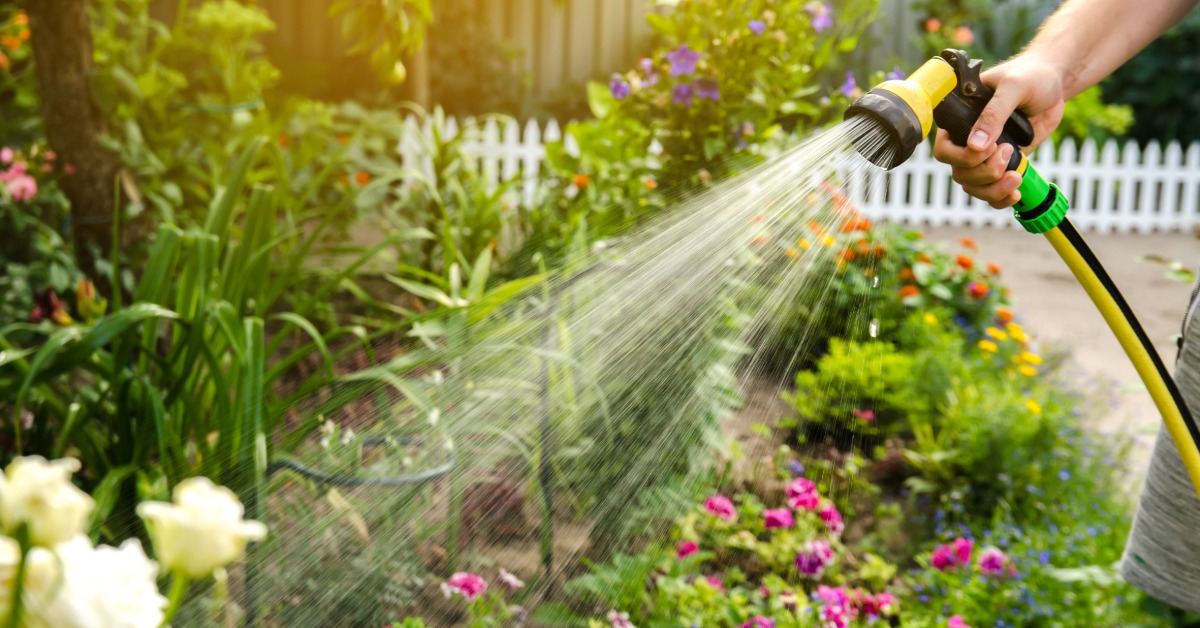
Healthy plants start with proper care, and water sits near the top of that list. Many gardeners focus on drought stress and dry soil, yet too much water causes just as many problems. Excess moisture can weaken roots, reduce growth, and leave plants vulnerable to disease. If your fruit trees, berry bushes, or garden plants seem off, the culprit may not be a lack of water at all. Before adding another round from the hose, take a closer look at the most common signs of overwatering plants.
Why Too Much Water Causes Problems
Plants need water, but they also need oxygen around their roots. When soil stays saturated for long periods, air pockets disappear. Roots struggle to function under those conditions and begin to decline. As root health drops, the entire plant starts to show signs of stress.
The tricky part is that overwatered plants can resemble thirsty plants. Leaves may wilt, growth may slow, and discoloration can appear. That confusion leads many gardeners to add even more water, which pushes the problem further. A few simple observations can help reveal what is really happening below the soil surface.
1. Yellow Leaves
Yellow leaves rank among the most common symptoms of overwatering. Excess moisture limits oxygen around the roots, and the plant can no longer move nutrients efficiently. As a result, foliage loses its healthy green color and begins to fade.
This symptom usually starts with older leaves near the bottom of the plant. Fruit trees, berry bushes, and ornamental plants can all display this reaction. A few yellow leaves may not raise concern, but widespread yellowing across the plant deserves attention. If the soil feels consistently wet, excess water is likely the source of the problem.
2. Wilting Despite Wet Soil
Many gardeners assume wilted leaves signal dry conditions. In reality, roots damaged by excessive moisture cannot deliver water properly throughout the plant. The result looks very similar to drought stress.
Take a moment to check the soil before reaching for the watering can. If the ground feels damp several inches below the surface, lack of water probably isn’t the issue. Plants caught in overly wet conditions frequently appear limp and tired despite plenty of moisture around their roots. This contrast serves as a strong clue that watering habits need adjustment.
3. Soft, Mushy Stems
Healthy stems feel firm and sturdy. Overwatered plants may develop soft or mushy areas near the base. Excess moisture creates favorable conditions for rot, particularly around the crown of the plant.
Vegetable gardens frequently show this symptom, but it can affect ornamentals and young fruit trees as well. Once stem tissue begins to break down, recovery becomes more difficult. Catching the issue early gives plants a better chance to bounce back after soil conditions improve.

4. Brown Leaf Edges
Brown edges do not always point to underwatering. When roots struggle due to excess moisture, foliage can develop dry-looking margins. The plant lacks the ability to transport nutrients efficiently, and leaf tissue begins to deteriorate.
This symptom can create confusion because gardeners see brown leaves and assume the plant needs additional water. Checking soil moisture before taking action helps prevent that mistake. Consistently damp soil paired with browning edges suggests the opposite approach may be necessary.
5. Slow or Stunted Growth
Plants need healthy roots to support new growth. When roots sit in saturated soil for extended periods, development slows considerably. New shoots may appear smaller than expected, and overall vigor starts to decline.
Fruit trees provide a good example. A young tree that should produce fresh growth throughout the season may seem stuck in place. Berry bushes can display a similar pattern. Reduced growth combined with wet soil points toward root stress caused by excess moisture.
6. Mold or Algae on the Soil Surface
The surface of healthy soil should not remain constantly wet. If mold, algae, or green slime appears around your plants, too much moisture may be present. These growths thrive in damp environments and frequently signal poor drainage or excessive irrigation.
Containers show this symptom quite clearly. A layer of green algae on top of potting mix usually means the soil stays wet longer than it should. Garden beds can develop similar issues after repeated watering sessions. Reducing moisture levels helps create a healthier environment for roots.
7. Root Rot
Learning to recognize the most common signs of overwatering plants can save valuable plants from unnecessary stress. Root rot ranks among the most serious consequences of overwatering. Affected roots turn dark, soft, and unhealthy instead of remaining firm and white.
Once roots begin to rot, the plant struggles to absorb water and nutrients. Above-ground symptoms may include yellow leaves, wilting, and poor growth. Early intervention offers the best chance of saving affected plants.

8. Leaves Falling Prematurely
Plants under stress frequently shed leaves earlier than normal. Overwatered trees and shrubs may drop healthy-looking foliage even during the growing season. This response occurs because the plant attempts to reduce strain on its weakened root system.
Fruit trees can display premature leaf drop after periods of excessive rainfall or frequent irrigation. The sudden loss of foliage catches many gardeners by surprise. When paired with wet soil and other symptoms on this list, overwatering becomes a likely explanation.
How to Correct an Overwatering Problem
The first step involves reducing watering frequency. Allow the soil time to dry slightly between watering sessions. Most plants perform better with deep, occasional watering than with constant moisture.
Good drainage also plays a major role. Raised beds, amended soil, and properly sized containers all help excess water move away from roots. If you grow fruit trees or berry bushes, mulch can help regulate moisture levels without creating soggy conditions. Regular observation allows you to spot problems before they become severe.
What to Do Next
Yellow leaves, wilting, root rot, and slow growth all provide clues that too much water may be present. A quick soil check before watering can prevent many of these issues from developing in the first place. Healthy roots lead to stronger growth, better harvests, and more attractive plants throughout the season. Shop for nut trees for sale that will look great in your garden, and use the guide above to keep them safe for years.
Whether you grow nut trees, berry bushes, bamboo, or ornamental plants, careful watering habits support long-term success. Observe your garden, adjust your routine when needed, and give roots the balanced environment they need to thrive.
Leave a Reply