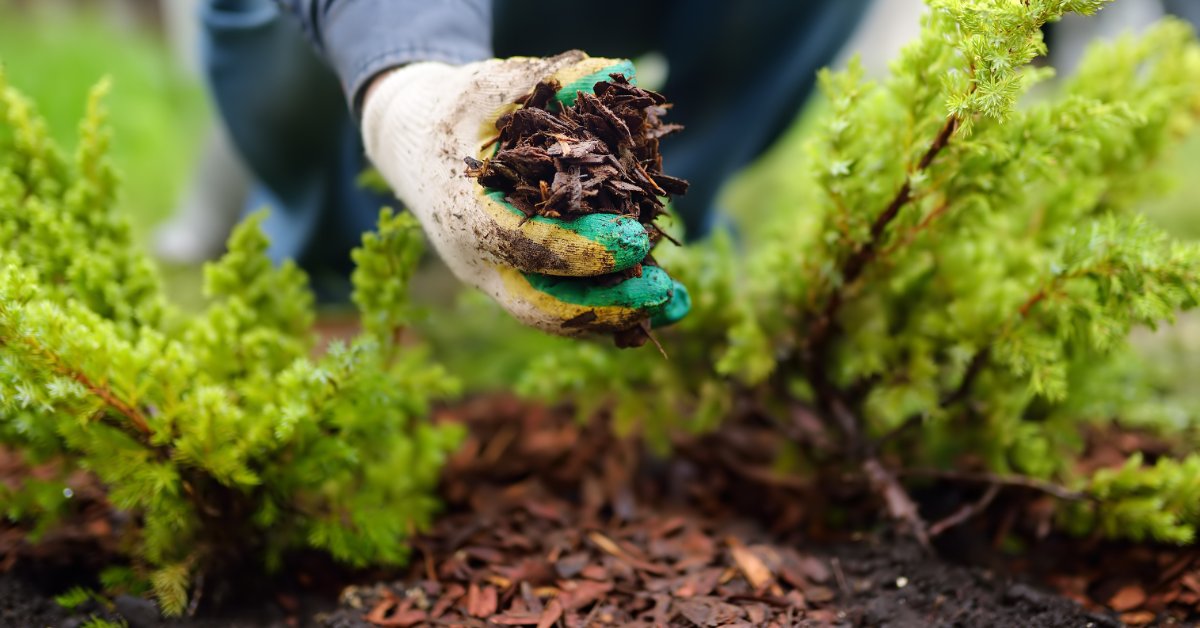
Healthy trees and shrubs reward homeowners with shade, colorful blooms, privacy, and fresh fruit for many years. A layer of mulch gives those plants a better environment from the ground up, but the way mulch goes down has a direct effect on long-term health. Use our guide below to take a deep dive into what you should know about mulching around trees and shrubs.
Pick the Right Type of Mulch
Organic mulch remains a favorite for trees and shrubs because it breaks down over time and enriches the soil. Pine bark, shredded hardwood, pine straw, composted leaves, and wood chips all create an attractive finish around landscape plants. Each material has a slightly different appearance, so homeowners can match mulch with the style of their garden beds.
Inorganic products, such as decorative stone or gravel, also have a place in some landscapes. Those materials last much longer but don’t add organic matter to the soil. Around ornamental shrubs or drought-tolerant plantings, stone can provide a clean, polished appearance. For fruit trees and many common landscape shrubs, natural mulch usually offers more benefits beneath the surface.
Give Roots Room to Breathe
One of the biggest mistakes appears around the base of the trunk. Tall piles of mulch pressed against bark trap moisture where it doesn’t belong. That environment encourages decay and creates an inviting place for insects and disease.
A better approach leaves a small gap around the trunk or main stems. Picture the mulch as a broad, flat ring instead of a volcano. Air circulates more freely, excess moisture escapes, and the bark stays healthier throughout the year. That small adjustment supports stronger plants without extra work.
Keep Mulch at the Right Depth
More mulch doesn’t always produce better results. A layer around two to four inches deep works well for most landscape situations. That amount helps the soil hold moisture, reduces weed growth, and softens temperature swings around the root zone.
Very deep layers create problems instead of solutions. Water struggles to reach the soil, and roots may grow upward into the mulch rather than downward into healthy ground. Sticking with a moderate depth gives trees and shrubs a balanced environment that supports steady growth.
Extend the Mulch Beyond the Trunk
Many homeowners place mulch in a tiny circle around the trunk, but tree roots spread much farther than most people realize. A wider mulch ring protects a larger portion of that root system. As the tree grows, that ring can expand as well.
Young fruit trees benefit from generous mulch coverage because grass competes aggressively for water and nutrients. A broad mulch bed reduces that competition and creates better conditions for root development. Decorative shrubs appreciate the same treatment, especially during dry summer weather.

Refresh Mulch at the Right Time
Mulch naturally settles and breaks down over time. That gradual change adds valuable organic matter to the soil, though it also means the layer becomes thinner each season. Instead of piling fresh mulch on top year after year, check the existing depth first.
Lightly fluff older mulch with a rake before adding a thin new layer if needed. That practice keeps the total depth within a healthy range. Spring and fall both offer excellent opportunities to refresh landscape beds without disturbing established plants.
Match Mulch to the Plant
Another important thing to know about mulching around trees and shrubs is to match your mulch type properly. We already briefly discussed different mulch options above, but now it’s time to focus on what your specific plant needs. Different plants create different landscape goals, so mulch choices can reflect those needs.
Flowering shrubs pair nicely with shredded bark that stays in place during heavy rain. Fruit trees benefit from natural wood products that gradually improve soil quality beneath the canopy. Berry bushes also appreciate mulch because shallow roots stay cooler and retain moisture longer during hot weather. Bamboo plantings gain weed suppression from generous mulch coverage around the base. Matching mulch with the plant creates a cleaner landscape and supports healthier growth throughout the season.
Watch for Moisture Changes
Mulch helps the soil stay damp longer after rainfall or irrigation. That benefit reduces stress during warm weather, but plants still need occasional attention. Check the soil beneath the mulch instead of judging moisture from the surface alone.
A dry top layer doesn’t always mean dry soil underneath. Slip a finger into the soil a couple of inches below the mulch before reaching for the hose. That quick habit prevents unnecessary watering and encourages stronger root systems over time.
Keep Weeds Under Control Naturally
One reason gardeners appreciate mulch comes from its ability to block sunlight from weed seeds. Fewer weeds mean less competition around valuable landscape plants. Garden beds also stay neater throughout the growing season when they’re weed-free.
Pull any existing weeds before fresh mulch goes down. Starting with clean soil gives mulch a better chance to suppress future growth. That routine reduces maintenance and creates an attractive landscape with far less effort across the year.

Protect Plants Through Seasonal Changes
Mulch acts like insulation for the soil. During summer, roots stay cooler despite high temperatures. During winter, mulch slows rapid temperature changes that place stress on dormant plants. Newly planted shrubs and young fruit trees will gain extra support during their first year in the landscape. Stable soil temperatures encourage steady root development as plants settle into their new location. That steady foundation helps young plants face changing weather with greater confidence.
Avoid Common Mulching Mistakes
You can easily buy large olive trees, and other plants online, but the hard part comes after installing your plant—you must care for it consistently, and avoid frustrating common mistakes at the same time. Even experienced gardeners occasionally apply too much mulch or forget to pull it away from trunks.
Those habits create more problems than benefits over time. A quick inspection each season keeps landscape beds in great condition. Another mistake comes from covering exposed root flares.
The natural widening at the base of a tree should remain visible above the mulch. That area belongs in the open, not buried beneath thick layers of bark or wood chips. Small corrections today support healthier trees for years ahead.
A thoughtful mulch routine supports healthy roots, cleaner garden beds, and attractive landscapes throughout the year. Small details, such as proper depth, wider mulch rings, and open space around trunks, add up to healthier trees and shrubs with less maintenance over time. Every new planting gains a stronger start when the surrounding soil receives consistent care from season to season.
Home landscapes with fruit trees, flowering shrubs, berry bushes, and ornamental plants all benefit from that steady approach. Remember these smart mulching practices and bring lasting beauty to your landscape.

Leave a Reply