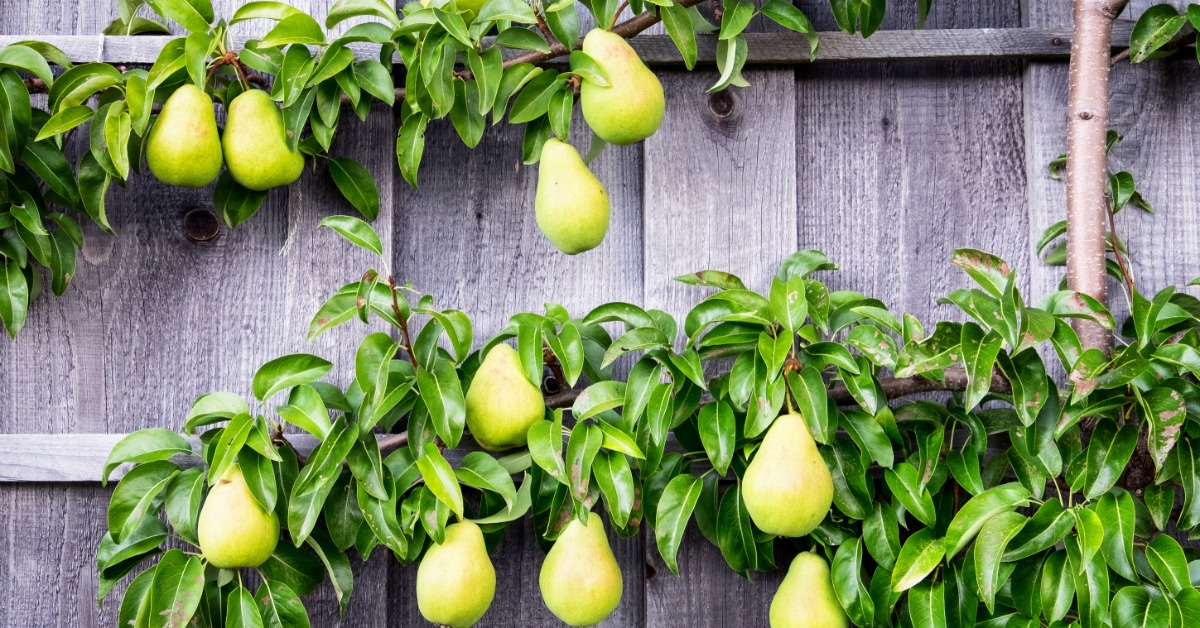
A fruit tree can do far more than fill an empty corner of the yard. With a little guidance, it can become a beautiful focal point and reward you with easier harvests. To learn more, dive into this guide on how to train and trellis your fruit trees.
Start With Young Trees for the Best Results
Young fruit trees respond far better to training than mature specimens. Fresh, flexible branches bend into position without much resistance, and they adapt to their new form over time. Older trees can still benefit from careful pruning and support, yet they usually require a slower approach.
Think of tree training as guiding growth rather than forcing it. Each season builds upon the last, so every small adjustment contributes to a stronger structure. A little effort during the first few years pays off with healthier trees and more convenient fruit production later.
Choose the Right Training Style
Different landscapes call for different tree shapes. A free-standing open-center tree works well in spacious yards, while espalier fits narrow areas along fences or walls. Apples and pears adapt beautifully to espalier systems because their branches respond well to shaping. Peaches and nectarines usually perform better with open-center forms that allow sunlight to reach every limb. Matching the training style to the tree creates a natural balance between beauty and productivity.
Build a Strong Trellis Before You Begin
A sturdy support system serves as the backbone of your project. Wooden posts with galvanized wire create a dependable trellis that lasts for years. Metal T-posts also work well for gardeners who prefer a faster installation.
Space wires evenly from the ground upward so branches have room to spread. Leave enough distance between the tree and a wall for airflow and future growth. Strong materials prevent sagging after branches become heavier with fruit.
Guide Branches Gradually
Branches respond best to gentle encouragement instead of sudden bends. Soft plant ties or flexible garden tape hold limbs in place without damaging the bark. Leave enough slack so the branch continues to expand as it grows.
Small adjustments every few weeks create smoother results than one dramatic change. A branch that bends too sharply may crack or weaken. Slow progress produces healthier wood and a more graceful appearance.

Prune With a Purpose
Every pruning cut influences the future shape of the tree. Remove damaged, crowded, or poorly placed branches first. After that, focus on creating balanced spacing between major limbs.
Open areas within the canopy invite sunlight deep into the tree. Better light encourages flower buds and improves fruit quality across the entire plant. Clean, sharp pruning tools leave smooth cuts that recover more quickly.
Encourage Wide Branch Angles
Branches that grow almost straight upward develop weak connections with the trunk. Wider angles create stronger attachments that support heavy fruit loads without splitting. Many experienced growers aim for branches that sit around 45 to 60 degrees from vertical. Wooden spreaders, weighted strings, or carefully placed ties help young limbs settle into wider positions. These adjustments remain subtle, but the long-term benefits become obvious as the tree matures.
Keep Growth Balanced Each Season
Balancing limb growth is one of the most important ways to train and trellis your fruit trees. Fruit trees never stop changing. One side may become more vigorous than the other after a productive season.
Regular observation allows you to correct small imbalances before they become larger problems. Trim overly vigorous shoots and encourage slower sections with careful pruning. Consistent attention creates an attractive silhouette and distributes fruit more evenly throughout the canopy.
Thin Out Excess Fruit
A healthy tree may produce far more fruit than it can comfortably support. Too much weight strains branches and reduces fruit size. Removing part of the crop allows the remaining fruit to develop with better color, flavor, and size.
Picture a young apple tree covered with hundreds of tiny apples. After thinning, fewer apples remain, but each one receives more sunlight and nutrients. The harvest will feel far more satisfying despite the smaller amount of fruit.

Train for Better Airflow
Air circulation plays a larger role than many gardeners realize. Dense canopies trap moisture after rain, creating favorable conditions for disease. A well-trained tree dries faster and stays healthier throughout the season. Open branch spacing also makes routine maintenance much easier. Sprays, pruning, and harvesting become less of a chore when every part of the tree remains accessible.
Match Trellises to Smaller Spaces
Not every homeowner has room for a traditional orchard. Trellised fruit trees fit beautifully into patios, side yards, courtyards, and narrow garden beds. They transform unused vertical space into productive growing areas. An espalier apple tree along a sunny fence can produce an impressive harvest without occupying much ground. The same concept works near garages, sheds, or decorative garden walls where space remains limited.
Stay Consistent From Year to Year
Training succeeds through regular attention rather than large annual corrections. Visit your trees throughout the growing season to check ties, remove unwanted shoots, and guide new branches before they harden. These brief sessions become easier every year because the overall structure already exists.
Instead of repairing problems, you’ll spend your time refining an attractive framework that supports dependable harvests. Check every connection during routine maintenance and replace anything that presses into the bark. Fresh ties protect the tree from unnecessary damage and allow healthy growth to continue without restriction. This small task helps preserve both the appearance and structure of the trained tree.
Train Around Sunlight From the Beginning
Sunlight shapes both the health of the tree and the quality of the harvest. Before you secure branches to a trellis, take note of the path the sun follows across your yard. Place the strongest limbs where they can receive several hours of direct light each day. Branches that remain in deep shade usually produce less fruit and weaker growth. A thoughtful layout allows every part of the tree to benefit from better light throughout the season.
Fruit tree training combines practical care with artistic design. Each season adds another layer to the finished shape, and patience rewards you with healthier trees, cleaner fruit, and a landscape full of character. Even a modest backyard can support beautifully trained fruit trees when careful planning comes first. Explore a fruit tree nurseryto find quality trees and begin your own trellis setup with confidence. Your future harvests will reflect the care you invest today.

Leave a Reply