A backyard garden can provide far more than a short burst of fresh produce during summer. With the right mix of plants and a thoughtful layout, your space can offer fruit, herbs, and vegetables across multiple seasons. Designing a garden with year-round harvests starts with smart plant choices, a little planning, and a willingness to stagger your crops. If you’re ready to enjoy fresh homegrown food through much of the year, now is a great time to start building a garden that keeps on giving.
Prioritize Seasonal Plan
A productive garden doesn’t rely on one harvest period. Instead, divide the year into spring, summer, fall, and winter, then assign plants to each season. Cool-weather vegetables thrive early and late in the year, while warm-season crops take over once temperatures rise.
A simple calendar can help you visualize your planting schedule. For example, lettuce and peas fit nicely into spring, tomatoes and peppers shine during summer, and broccoli or kale step in for fall. This rotation keeps garden beds active instead of leaving them empty after one crop finishes.
Mix Annuals With Long-Term Producers
Annual vegetables produce quickly, but perennial plants reward gardeners year after year. A balanced garden includes both types. Fruit trees, berry bushes, asparagus, and herbs provide dependable harvests once you establish them in the garden.
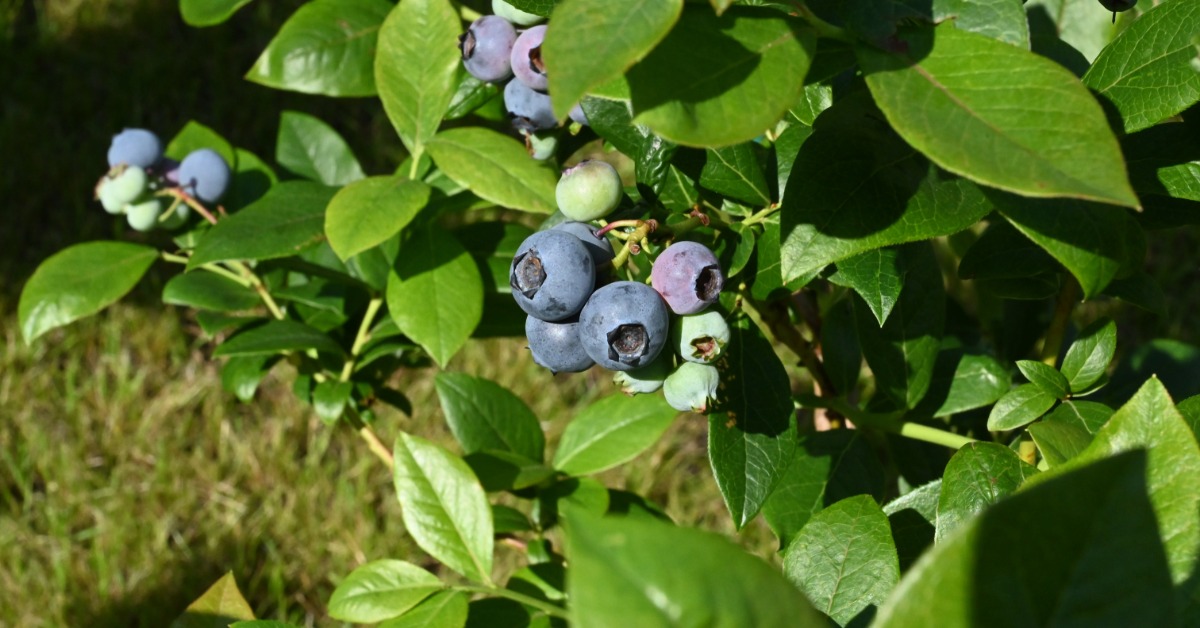
Blueberries can produce for decades with proper care, while apple or pear trees become reliable favorites as they mature. Fresh herbs like rosemary, thyme, and sage also return season after season in many climates. Together, these long-term plants create a dependable backbone for your edible landscape.
Divide the Garden Into Zones
A well-organized layout saves time throughout the year. Place tall fruit trees where they won’t block sunlight from shorter vegetables. Reserve sunny beds for crops that thrive in full sun, and dedicate another area to herbs that stay close to the kitchen.
Grouping plants with similar water needs also helps. That approach reduces wasted water and keeps maintenance more manageable. A smart arrangement creates a garden that feels highly organized instead of overly crowded.

Choose Crops With Different Harvest Times
Harvest dates vary widely between plants, and that works to your advantage. Early strawberries can lead into blueberries, followed by peaches, figs, apples, and late-season pears. Vegetables follow similar patterns, with radishes maturing quickly while pumpkins finish much later. This variety spreads fresh produce across many months instead of concentrating everything into one busy period. Your kitchen stays consistently stocked with homegrown food, and the workload feels more balanced from one season to the next.
Add Fruit Trees for Reliable Harvests
Fruit trees bring structure, shade, and dependable production to a home garden. Apple, peach, pear, plum, and persimmon trees all mature at different times, so planting several varieties extends your harvest season. Select cultivars properly suited to your climate and available space. Dwarf trees fit comfortably into smaller yards, while standard trees create larger focal points. After establishment, many fruit trees reward gardeners with generous crops every year.
Include Berry Bushes Throughout the Landscape
Berry bushes fit into nearly any garden design. Blueberries, blackberries, raspberries, and elderberries occupy fence lines or dedicated beds without overcrowding the yard. Each type offers a slightly different harvest window. By mixing several varieties, fresh berries remain available far longer than a single planting could provide. Birds enjoy them too, so protective netting may become part of your seasonal routine.
Rotate Vegetable Crops
Crop rotation benefits both soil health and plant performance. Instead of planting tomatoes in the same bed every year, shift them to another location and replace them with unrelated vegetables. This practice helps reduce soil-borne problems and balances nutrient use. A rotation plan also gives compost and soil amendments time to restore fertility between heavy-feeding crops.
Use Raised Beds for Flexibility
Raised beds warm earlier during spring and drain well after heavy rain. Those advantages allow earlier planting and better control over soil quality. They also simplify maintenance by creating clearly defined growing spaces.
Multiple raised beds support seasonal rotation with ease. One bed can hold cool-weather vegetables while another supports summer favorites. As harvests finish, fresh crops move into the open space without disrupting the rest of the garden.
Grow Herbs Across Every Season
Herbs deserve space in any year-round garden. Basil thrives during warm weather, while parsley, chives, oregano, and thyme provide fresh flavor across much of the year in many regions. Plant herbs near walkways or patios for easy access during meal preparation. Fresh herbs elevate everyday recipes, and many attract pollinators that benefit nearby fruit and vegetable crops.

Leave Room for Succession Planting
One harvest doesn’t have to mark the end of a garden bed’s usefulness. After lettuce finishes, beans or cucumbers can take its place. Once those crops wrap up, spinach or carrots may finish the growing season. This technique keeps productive space active instead of vacant. A little planning before each season begins allows you to transition smoothly from one crop to another.
Protect Plants During Cooler Months
You can buy plants online today, and one of the most important details to look for is the ideal weather conditions. Cool temperatures don’t have to end your harvests. Row covers and lightweight frost blankets help extend the growing season for many vegetables. Leafy greens, carrots, and several root crops tolerate chilly weather with minimal protection.
Mulch also plays a valuable role. It moderates soil temperature and helps conserve moisture through seasonal weather changes. Those small adjustments stretch harvest opportunities well beyond summer.
Build Healthy Soil From the Start
Rich soil supports healthy roots and productive plants. Compost, aged manure, and natural organic matter improve texture while feeding beneficial organisms below the surface. Healthy soil also drains better and retains moisture more effectively. Gardeners who invest time in soil preparation usually enjoy stronger harvests across every season. Healthy plants also recover more quickly after periods of stress.
Enjoy the Rewards of Designing a Productive Garden
A garden thoughtfully planned with every season in mind delivers fresh produce far beyond the summer months. Fruit trees, berry bushes, vegetables, and herbs each play a role in extending your harvest calendar. With good plant selection, crop rotation, and seasonal planning, your garden becomes a productive part of your home throughout much of the year. Explore quality fruit trees and other edible plants from The Nursery at Ty Ty, then start designing a garden with year-round harvests that brings fresh flavor to your table.

Leave a Reply