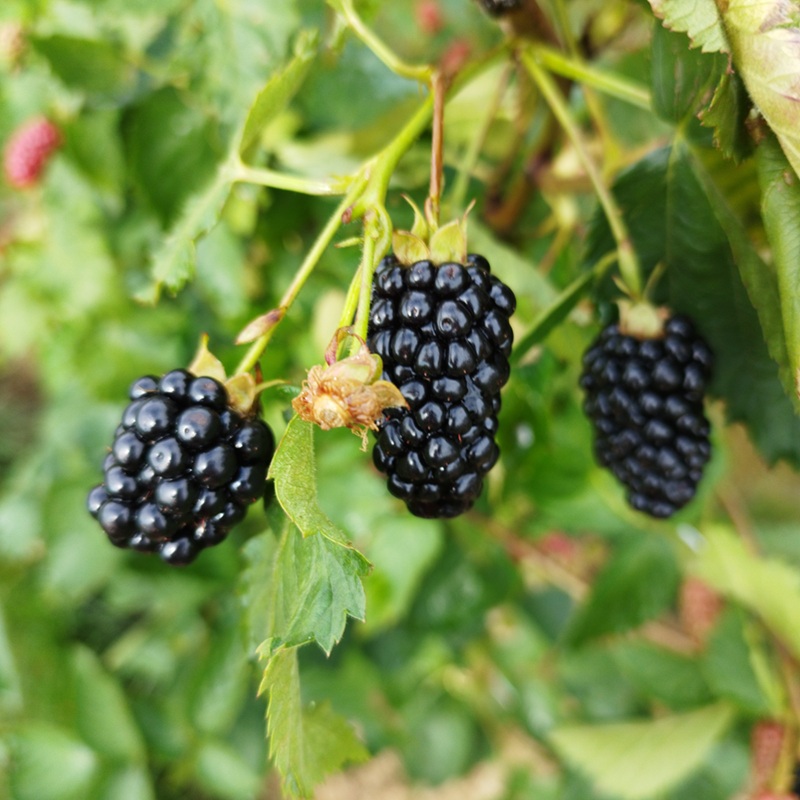
There is nothing quite like picking a warm, ripe blackberry from your own backyard. One minute you are walking outside to check the garden, and the next you have a handful of dark, juicy berries and purple-stained fingertips. Some never make it into the kitchen. The rest might become a cobbler, a jar of homemade jam, or a bag of berries saved in the freezer for winter. That is the fun of growing blackberries: one small planting can become a family tradition.
Before you start imagining the harvest, though, there is an important question to answer: Can I grow blackberry plants in my USDA zone? In many parts of the United States, the answer is yes. But a blackberry that handles a cold Ohio winter may need much more winter chill than a gardener in Florida receives. A thornless bush that grows beautifully in Tennessee might need extra attention in a hot, humid coastal backyard. And knowing whether your variety fruits on first-year or second-year canes can make the difference between a full bowl of berries and an empty one.
At Ty Ty Nursery in South Georgia, we have worked with gardeners since 1978, and we have learned that the right blackberry plant is not necessarily the one with the fanciest name. It is the one that fits your winter, your summer, your available space, and the kind of harvest you want. This guide explains the best blackberry varieties by USDA zone, approximate chill-hour requirements, thornless and thorny choices, planting dates, pruning, pollination, and how to get a new blackberry patch off to a strong start. When you are ready, you can explore our blackberry plants for sale online.
What USDA Growing Zone Is Best for Blackberry Plants?
The USDA Plant Hardiness Zone Map divides the country by average annual extreme minimum winter temperatures. It helps explain why one blackberry survives winter in northern Pennsylvania while another takes damage in the same garden. You can check your growing zone on the USDA Plant Hardiness Zone Map. Just remember that the zone describes winter extremes, not your total winter chill, summer humidity, or rainfall.
The varieties currently featured in Ty Ty Nursery’s blackberry collection have published ranges from USDA Zone 5 through Zone 10, but no single cultivar covers that entire range equally well. The safest way to choose is to check the individual plant’s rating, then consider winter chill accumulation, whether it has thorns, and how much training its canes need. A Zone 8 garden in dry inland Texas is not the same growing environment as a rainy Zone 8 garden in coastal Georgia.
Most cultivated blackberries appreciate at least six to eight hours of direct sunlight and well-drained, moderately acidic soil. They are perennial at the roots but generally grow canes with a two-year life cycle. Understanding that habit makes blackberry care easier than many first-time gardeners expect.
How Many Chill Hours Do Blackberry Plants Need?
What Counts as a Blackberry Chill Hour?
Many blackberry varieties need a period of cool winter weather before their dormant buds resume normal growth and flower in spring. This is their winter chill requirement. A common gardening estimate counts hours below about 45 degrees Fahrenheit, although different weather stations and research programs use different chilling models. That is why chill-hour figures should be treated as approximate guides, not guaranteed thresholds.
If a variety needs substantially more winter chill than your location usually receives, it may leaf out unevenly, flower poorly, or give an inconsistent harvest. But meeting the chill estimate is only part of the story: winter injury, spring frost, heat, rain, cane disease, and pruning practices can also affect productivity. In warmer zones especially, do not choose a blackberry solely because its USDA rating includes your location.
Blackberry Variety, Zone and Chill-Hour Comparison
| Blackberry Variety | Listed USDA Zones | Published Chill Estimate | Growth and Harvest Notes |
|---|---|---|---|
| Arapaho Thornless | 6–9 | 400–500 hours | Upright, thornless, early harvest |
| Austin Mays | 6–9 | 300–400 hours | Traditional thorny type, early harvest |
| Black Satin Thornless | 5–9 | 400–500 hours | Thornless, vigorous semi-erect canes |
| Boysenberry | 7–10 | 200–300 hours | Trailing blackberry-relative hybrid, sweet-tart fruit |
| Brazos | 5–10 | 300–500 hours | Thorny, heat-tolerant, early fruit |
| Choctaw | 5–9 | 300–500 hours | Thorny, early-ripening variety |
| Comanche | 5–8 | 300–500 hours | Thorny, upright, earlier-season berries |
| Navaho Thornless | 5–9 | 800–900 hours | Upright, thornless, later-season berries |
| Shawnee | 5–9 | 300–500 hours | Thorny, extended picking season |
| Triple Crown Thornless | 5–9 | 300–500 hours | Thornless, vigorous, later-season fruit |
These are the approximate ranges published on Ty Ty Nursery’s individual product descriptions. A chill estimate is not a substitute for local field performance, and all varieties are not equally suitable across the full zone range. We especially encourage Zone 9 and 10 gardeners to investigate local winter chill and summer growing conditions before choosing a variety.
Thornless vs. Thorny Blackberries: Which Should You Grow?
If you have ever come back from a wild blackberry patch with scratched arms, you understand the appeal of thornless blackberries immediately. Thornless types make picking with children, pruning, and keeping a neat backyard row much more comfortable. Our thornless blackberry selections include Arapaho, Black Satin, Navaho, and Triple Crown. They offer different ripening windows and growth habits, so you can choose for more than just the absence of thorns.
Thorny varieties deserve attention, too. Brazos, Choctaw, Comanche, Shawnee, and Austin Mays provide traditional blackberry flavor and a range of early-season options. Some gardeners enjoy the vigorous growth and familiar berry-patch character of these selections. Just give yourself extra space to work, wear sturdy gloves, and install a trellis or supports where needed. Boysenberry is a trailing blackberry-relative hybrid, not an upright thornless blackberry bush.
Erect, Semi-Erect and Trailing Canes
Erect blackberries form relatively upright canes; Arapaho and Navaho are examples. Semi-erect blackberries, including vigorous varieties such as Black Satin and Triple Crown, benefit from wires or a sturdy support as long canes become heavy. Trailing types, such as Boysenberry, send out flexible canes that need regular training along a trellis. Growth habit matters when planning plant spacing, harvesting access, and pruning.
Primocanes and Floricanes: The Secret to Pruning
Blackberries usually grow first-year vegetative canes called primocanes. In traditional summer-bearing varieties, these overwinter and produce fruit in their second year, when they are called floricanes. After harvest, the spent floricanes die and should be removed. Meanwhile, fresh primocanes are already growing for next year’s crop. Cut all the healthy new canes to the ground every winter and you may remove the very wood that should have produced your berries.
Some modern blackberry cultivars are specifically bred to fruit on first-year primocanes, but do not assume every blackberry is an everbearing or fall-fruiting plant. The ten varieties discussed here are best planned for their traditional floricane crop unless their specific product information says otherwise. That small distinction can save a great deal of disappointment.
Can I Grow Blackberries in USDA Zones 3 and 4?
Some specially bred blackberries can survive very cold northern conditions, but none of the ten cultivars currently shown in Ty Ty Nursery’s main blackberry category is listed below Zone 5. That makes the present selection a poor default for Zone 3 or Zone 4 outdoor planting. Even if roots survive beneath snow, winter can kill the buds on last year’s canes and leave you with leaves but little fruit.
For northern Minnesota, the coldest parts of Wisconsin, the Dakotas, and other severe-winter regions, look into cultivars specifically trialed for your local climate, along with winter protection and reliable snow cover where appropriate. Do not assume a Zone 5 variety will become Zone 4 hardy because you planted it beside a fence. A suitable local Extension recommendation is more valuable than a risky guess.
USDA Zone 5: Good Blackberry Options for Cooler Regions
Zone 5 is where the current Ty Ty Nursery blackberry lineup begins to offer real choices. Black Satin Thornless, Brazos, Choctaw, Comanche, Navaho Thornless, Shawnee, and Triple Crown Thornless are all listed for Zone 5. A gardener in Ohio or Pennsylvania who wants a thornless harvest might investigate Navaho, Black Satin, or Triple Crown. Someone who wants traditional early-season berries might compare Choctaw and Comanche.
The critical issue is winter protection for fruiting canes. Most of these are floricane-bearing types, meaning last year’s healthy canes must survive winter to flower. Cold winds and sudden temperature swings can injure exposed wood, even when the plant’s crown survives underground. Place your berry patch where sunlight is strong but winds are not excessively drying, and avoid poorly drained ground that remains icy or saturated.
Best planting time: Spring once the soil thaws and can be worked, ideally while plants are dormant or just beginning growth. Space and mulch appropriately, then focus on establishing vigorous primocanes through the first season. Expect harvesting results to improve as the planting matures.
USDA Zone 6: A Great Zone for Thornless Blackberry Bushes
Zone 6 opens the door to Arapaho Thornless and Austin Mays as well as the Zone 5 selections. That makes it a rewarding climate for gardeners who want a small backyard berry row. If your family loves to walk out and snack, try an early-ripening thornless Arapaho and a later-ripening Triple Crown or Navaho where winter chill is adequate. You may be able to stretch the season instead of harvesting every berry in the same week.
Do not overlook Navaho’s relatively high published chill estimate of 800–900 hours. Much of Zone 6 provides enough winter cooling, but you still need to check your exact location. In humid climates, choose an open planting site that lets morning dew dry quickly, and do not allow old canes to accumulate in a thicket. Berry plants love sunshine; diseases love stagnant, wet foliage.
Best planting time: Late winter to early spring when the ground is workable, or a suitable dormant planting window recommended locally. Avoid planting during periods of heavy freeze or saturated soil. A little advance trellis work will make the growing season much easier.
USDA Zone 7: One of the Most Flexible Blackberry Growing Zones
In Zone 7, all ten listed varieties are within their published hardiness ranges. That includes Arapaho, Austin Mays, Black Satin, Boysenberry, Brazos, Choctaw, Comanche, Navaho, Shawnee, and Triple Crown. Having choices is wonderful, but it does not mean all ten perform the same in every Zone 7 backyard. Humid North Carolina conditions, dry inland conditions, and mountain frost patterns create very different growing challenges.
For a family berry patch, thornless Arapaho, Black Satin and Triple Crown are appealing starting points. If you prefer a traditional tart berry for cobblers or preserves, consider Brazos or Comanche. If you want to experiment with trailing fruit, Boysenberry offers a different flavor and training style. Whichever type you choose, check local disease pressure and allow enough spacing to work around the canes.
Best planting time: During a suitable dormant period in winter or early spring, with well-drained soil and a forecast that allows proper establishment. In the warmer parts of Zone 7, planting before strong summer heat can give roots a useful head start.
USDA Zone 8: Growing Blackberry Plants in Georgia and the South
Zone 8 includes some excellent blackberry-growing country, including much of the Southeast. At Ty Ty Nursery in South Georgia, we know that warm weather helps berries ripen, but summer humidity also demands attention. Your blackberry patch should receive plenty of light, have good air circulation, and drain well after those heavy afternoon thunderstorms.
All our current varieties except those whose published zone ranges stop earlier are possibilities here; in fact, all ten of the presently listed cultivars include Zone 8. For easier harvesting, Arapaho and Triple Crown are attractive thornless choices, while Black Satin provides another vigorous option. Early varieties such as Brazos, Choctaw and Austin Mays may offer fruit before the worst part of summer heat. Comanche reaches its published warm-end limit at Zone 8.
Match winter chill to your site, too. Navaho is listed for Zone 8 but needs substantially more chill than many lower-chill southern selections. A blackberry that puts on healthy leaves but flowers irregularly might not be getting the winter cooling it prefers. A soil test, sensible watering, and a clean pruning routine can make a noticeable difference in these humid gardens.
Best planting time: The cooler dormant season, often winter into early spring. Plant while temperatures are mild enough for root establishment rather than starting a new bare-root blackberry right before an extended period of summer heat.
USDA Zone 9: Choose Blackberries by Chill Hours and Summer Heat
Zone 9 gardeners can grow blackberries in appropriate locations, but this is where you should become selective. Many of the varieties on our category page are listed through Zone 9, including Arapaho, Austin Mays, Black Satin, Boysenberry, Brazos, Choctaw, Navaho, Shawnee, and Triple Crown. Comanche is listed only through Zone 8 and should not be treated as a recommended Zone 9 selection.
If your winter is mild, lower-chill candidates such as Boysenberry with an estimated 200–300 hours, or Austin Mays at about 300–400 hours, may deserve consideration. Brazos, Choctaw, Shawnee and Triple Crown are commonly listed around 300–500 hours. Navaho’s much higher 800–900-hour estimate means it is not the first choice for the mildest Zone 9 locations even though its hardiness listing includes the zone.
Summer conditions matter just as much. Hot winds can scorch berries, extreme afternoon heat can reduce fruit quality, and high humidity can encourage disease. Give plants consistent root-zone moisture and enough sunlight for fruiting; in unusually harsh climates, consult local trial results before using afternoon shade, which can lower heat stress but may also reduce yield.
Best planting time: During the coolest practical dormant-season window, commonly winter or very early spring. The goal is to establish roots before the hottest part of the year, not to plant in dry, baked soil and hope for the best.
USDA Zone 10: Can Blackberries Grow in a Hot Climate?
Yes, particular blackberry-related plants can be attempted in suitable Zone 10 settings, but the choices on this category page narrow dramatically. Boysenberry and Brazos are the two currently listed through Zone 10. Boysenberry has the lower published chill estimate; Brazos is noted for heat tolerance, but its relatively broader zone rating does not eliminate the need for winter chill or protection against summer stress.
Zone 10 can mean very different things: a relatively dry inland location with winter cool spells, or a humid coastal area with little effective chilling. Not every Zone 10 garden is likely to produce a dependable blackberry harvest. Research local growers’ results and consider whether the plant will have adequate rest, drainage, and manageable temperatures at fruiting time. We would rather help you choose a realistic variety than promise an easy harvest in a location that rarely gets cool.
USDA Zone 11: Should You Plant Traditional Blackberries?
None of the ten varieties currently in Ty Ty Nursery’s main blackberry category is listed for Zone 11. In nearly frost-free tropical conditions, insufficient winter chilling and heat stress can be serious obstacles. There are specialty berry-growing systems and cultivars suited to certain warm climates, but this specific collection is not a dependable Zone 11 recommendation. A more climate-appropriate fruiting plant may be the better long-term investment.
Meet the 10 Blackberry Varieties at Ty Ty Nursery
Arapaho Thornless Blackberry: Early Fruit Without the Scratches
Arapaho Thornless Blackberry is an upright, early-ripening option for gardeners who want easy picking. Its sweet, dark berries are enjoyable fresh and work well in pies, smoothies and preserves. Our listing gives it USDA Zones 6–9 and approximately 400–500 chill hours. A compact backyard row of Arapaho can be especially pleasant where children or frequent visitors will help with harvest. Upright canes still benefit from occasional support when the crop becomes heavy.
Austin Mays Blackberry: An Early Southern-Style Harvest
Austin Mays Blackberry is a vigorous traditional blackberry known for earlier fruit and tolerance of warmer conditions. Its listed range is Zones 6–9 with about 300–400 chill hours. That relatively modest chill estimate makes it worth investigating in appropriate southern gardens. Expect juicy blackberries with a sweet, rich flavor when fully ripe, and leave room to manage its thorny canes.
Black Satin Thornless Blackberry: Big Flavor and Vigorous Growth
Black Satin Thornless Blackberry is a productive, vigorous selection for Zones 5–9, with an estimated 400–500 chill hours. Dark fruit works for fresh eating and nearly anything that calls for blackberries in the kitchen. Its long, often semi-erect canes benefit from sturdy support and routine training. If you love thornless harvesting but do not mind building a simple trellis, Black Satin is an attractive choice.
Boysenberry: A Rich, Sweet-Tart Berry With Trailing Canes
Boysenberry is a trailing hybrid related to both blackberries and raspberries. Its deep reddish-purple fruit has a full, sweet-tart flavor that makes remarkable jam, pie filling and sauces. Ty Ty Nursery lists it for Zones 7–10 and around 200–300 chill hours. Because it trails, you will need a real trellis and a plan to keep long fruiting canes off the ground. It is not a hands-off upright blackberry bush.
Brazos Blackberry: A Tough, Earlier-Ripening Traditional Favorite
Brazos Blackberry is a long-established southern variety associated with Texas breeding. It is known for large, somewhat tart berries that become sweeter as they ripen and that work wonderfully in cobblers and jelly. Its listed Zones 5–10 and estimated 300–500 chill hours make it one of the broadest-ranging choices in this collection. Brazos is thorny, and in hot locations it still needs even moisture and a sensible growing site.
Choctaw Blackberry: A Head Start on Blackberry Season
Choctaw Blackberry is an early-ripening Arkansas-developed variety that produces flavorful dark berries. It is listed for Zones 5–9 with approximately 300–500 chilling hours. If you are trying to stretch your season with one early cultivar and one later cultivar, Choctaw is worth comparing with Triple Crown or Navaho in an appropriate climate. Choctaw has thorns, so wear gloves during pruning and make picking paths easy to access.
Comanche Blackberry: Classic Fruit for Zones 5–8
Comanche Blackberry is another traditional Arkansas selection with a productive, upright habit and a pleasant balance of sweet and tart flavor. Our listing places it in Zones 5–8 with about 300–500 chill hours. It is useful for fresh berries, baking, and homemade preserves, especially where gardeners want an early harvest. Comanche is a thorny variety, and Zone 8 is the warm end of its published range.
Navaho Thornless Blackberry: Sweet Berries Later in the Season
Navaho Thornless Blackberry has upright, nearly self-supporting canes and a reputation for sweet, firm fruit. It is listed for Zones 5–9 and a comparatively high 800–900 chill hours. For gardens with enough winter cooling, Navaho can complement earlier varieties and extend the picking window. Its thornless canes are a pleasure when harvesting, but check the chill requirement before recommending it to a mild-winter customer simply because the zone rating includes their yard.
Shawnee Blackberry: A Longer Picking Window
Shawnee Blackberry is a vigorous, thorny variety associated with large harvests over a relatively extended ripening period. Listed for Zones 5–9 and around 300–500 chill hours, it appeals to growers who enjoy repeated trips to the patch rather than one quick harvest. Its dark, juicy berries are well suited for fresh eating, freezing, sauces and desserts. Keep the canes managed so the fruit remains easy to reach.
Triple Crown Thornless Blackberry: Big Berries and Easy Picking
Triple Crown Thornless Blackberry is popular for its large fruit, rich flavor and vigorous growth. Ty Ty Nursery lists it for Zones 5–9 with an estimated 300–500 chill hours. It typically fruits later than many early blackberries, making it useful for extending the season. Strong semi-erect canes appreciate a wire trellis, especially when loaded with berries. Give it room and prune consistently; a productive Triple Crown can quickly outgrow a cramped corner.
Do Blackberry Plants Need Two Bushes for Pollination?
Here is good news for anyone with a small yard: the blackberry varieties in this guide are generally self-fruitful, meaning a second variety is not required to produce berries. Pollinating insects still play an important role in transferring pollen within the flowers, however. Cold, wet weather during bloom or a lack of insect activity can reduce fruit set and cause berries to develop unevenly.
Planting more than one bush can increase your total harvest because you have more productive plants, and combining different varieties can extend the picking season. It does not mean two varieties are biologically necessary in the way that some apple, pear or nut trees need cross-pollination. For a tight space, one well-cared-for thornless blackberry can be a perfectly sensible starting point.
When Is the Best Time to Plant Bare-Root Blackberry Plants?
In most regions, late winter or early spring while plants are dormant is a dependable time to plant bare-root blackberries. The soil should be workable, not frozen solid or waterlogged. In colder Zones 5 and 6, that often means waiting for spring thaw. In the warmer Zones 7–10, the cooler part of the dormant season may offer an opportunity to establish roots before summer heat arrives.
Do not plant just because a calendar says it is March. A snowy March in the northern Midwest and a warm March in South Georgia require different decisions. If your ground is frozen, plan a later shipment or follow the nursery’s short-term storage directions. If temperatures are already becoming hot, you need to pay special attention to root moisture and transplant stress. The right planting season is one reason timing matters when ordering bare-root blackberry plants online.
How to Plant Blackberry Bushes: Step-by-Step Instructions
- Choose a sunny location. Aim for six to eight hours of direct sun or more. A well-ventilated place that dries after rain helps reduce disease. Avoid ground where water collects after storms.
- Test the soil. Blackberries generally prefer moderately acidic soil, often near pH 5.5–6.5. A basic soil test can reveal whether amendments are truly needed. Healthy drainage is more important than loading the planting hole with fertilizer.
- Plan the row and support. Many erect blackberries can be planted about three to four feet apart. Vigorous semi-erect or trailing selections may need roughly four to six feet or more, depending on the training system. Give yourself space between rows to walk, prune and pick.
- Prepare bare roots promptly. Keep arriving roots moist and shaded. Unpack soon after delivery and follow the nursery’s instructions. If rehydration is needed, use a brief soak rather than leaving roots submerged for an extended period.
- Dig a wide, comfortable hole. Spread the roots naturally and avoid bending them sharply. Set the crown near the appropriate soil level indicated by the existing plant mark and variety directions. Do not bury healthy canes deeply or expose roots above the soil.
- Backfill with mostly native soil. Firm gently to remove major air pockets, but do not compact the planting area like concrete. Avoid strong fertilizer in direct contact with bare roots.
- Water slowly and thoroughly. Soak the root zone immediately after planting. Check the soil frequently while the plant establishes, adjusting for rainfall and the soil’s ability to drain.
- Mulch and protect. Apply approximately two to three inches of clean organic mulch around the rooting area without smothering the crown. Keep turfgrass and weeds away, and install support for long canes before they turn into a tangled mess.
One thing we always remind new blackberry growers: the modest cane that arrives in a shipping box does not show the eventual size of a mature patch. Give plants the space they need from the beginning, and future-you will be grateful during harvest season.
Watering, Fertilizing and First-Year Blackberry Care
Water for Roots, Not Just for Leaves
Blackberries need dependable moisture during establishment and especially while flowering and developing berries. Once plants are established, roughly one to two inches of water per week from rain and irrigation can be a useful broad starting point during active growth, with adjustments for soil, temperature and plant size. Newly planted roots may need more frequent checks. Water deeply at the base, preferably with a drip line or soaker hose rather than repeatedly soaking the leaves.
Don’t Rush the Fertilizer
A new plant first needs to form healthy roots. Excess nitrogen can create a jungle of weak, overly lush growth instead of a balanced fruiting plant. Use a soil test and local recommendations, and wait until the plant is actively establishing before applying fertilizer when appropriate. Keep concentrated fertilizer away from the crown and new roots. A weed-free, mulched area often provides a bigger early benefit than an unnecessary feeding.
Expect Cane Growth Before Big Harvests
Most varieties discussed here fruit on second-year canes. That means the first growing season may be mostly about producing the canes that will carry future berries. Do not judge a young blackberry’s success only by whether it fruits immediately. Strong roots and healthy primocanes are what set up the harvest that follows.
How to Prune Blackberry Plants Without Losing Next Year’s Crop
Blackberry pruning sounds complicated until you see the two kinds of canes. The new green growth this year is generally your primocane growth. Next year, those canes become fruiting floricanes. Once a floricane has produced its crop, remove it near the ground after harvest. Leave the healthy new primocanes to become next year’s producers.
For erect or semi-erect blackberries, growers commonly tip vigorous new primocanes at a height suited to their training system—often around three to four feet—to encourage lateral branches. Exact tipping heights and timing vary by cultivar, region and whether a trellis is used. During dormancy, thin weak or damaged canes and shorten laterals according to your local Extension instructions. This helps keep the row open and improves access to berries.
Trailing Boysenberry requires a different approach: guide flexible primocanes onto its trellis as they grow, separate new canes from fruiting canes, and remove old floricanes after picking. Never indiscriminately mow down all healthy canes on a floricane-fruiting variety in winter or you may sacrifice the next crop. Good pruning is less about giving the bush a haircut and more about knowing which canes have finished their job.
When Will Blackberry Plants Start Producing Fruit?
Depending on plant maturity, variety and growing conditions, some blackberries may produce a light crop after establishment, with larger harvests once a vigorous stand of fruiting canes is in place. Many floricane varieties need a full growing season to produce the canes that fruit the next year. Early varieties such as Arapaho, Brazos and Choctaw can begin harvesting sooner in the season than later types such as Navaho or Triple Crown, but exact months vary dramatically between states.
Pick only berries that have turned fully dark, plump and come away easily. Blackberries do not become sweeter after they are picked, so a red or hard black berry that resists your fingers needs more time. Harvest frequently during peak season and refrigerate or freeze the fruit promptly. They are delicate berries, and homegrown flavor is best enjoyed before the fruit begins to soften.
Common Blackberry Problems: Yellow Leaves, Diseases and Small Berries
Why Are My Blackberry Leaves Yellow?
Yellow leaves can signal several different issues: overwatering, poor drainage, nutrient imbalance, drought, pest damage or seasonal aging. Check the soil and new growth before assuming fertilizer is the answer. If the ground stays wet long after irrigation, root stress may be the real problem. If the plant is actively growing and the leaves show patterned yellowing, a soil test and local diagnosis may help.
Orange Rust, Cane Blight and Fruit Rot
Some blackberries are affected by orange rust, which can cause bright orange spore masses on leaf undersides and weakened, unproductive shoots. Cane blight, anthracnose and other fungal problems can damage stems; wet weather can encourage gray mold or other berry rots. Good spacing, timely removal of old canes, a clean planting area and avoiding prolonged leaf wetness reduce risk. Systemically infected orange-rust plants generally need to be removed rather than simply pruned.
Spotted-Wing Drosophila and Other Berry Pests
Spotted-wing drosophila is a fruit fly capable of laying eggs in ripening soft fruit, making it a serious concern in many berry-growing areas. Pick often, refrigerate fruit quickly and remove overripe berries instead of leaving them in the patch. Birds, Japanese beetles and other pests may also visit blackberry plants. Identify the problem and follow your state Extension service’s current guidance before choosing a treatment. Never assume every insect requires spraying.
Why Are the Berries Small or Crumbly?
Small berries or berries made up of poorly developed drupelets can be caused by heat, drought, poor pollination weather, pest damage or plant stress. Even self-fruitful blackberries benefit from pollinator activity. Keep the patch evenly watered during fruit development and avoid insecticides during bloom when bees are active. Also remember that some varieties naturally produce smaller berries than others.
Frequently Asked Questions About Blackberry Growing Zones
Can I grow blackberries in Georgia?
Yes. Many blackberry varieties perform well in Georgia when matched to winter chill, heat and disease conditions. Arapaho, Brazos, Choctaw, Triple Crown and other regionally suitable selections are worth comparing. In South Georgia, pay particular attention to winter chilling, summer humidity and well-drained soil; North Georgia sites can have substantially different winter conditions.
What is the best thornless blackberry for beginners?
Arapaho, Triple Crown, Black Satin and Navaho are all worth investigating where their zone and chill requirements fit. Arapaho offers earlier fruit and upright canes; Triple Crown offers vigorous later crops; Navaho needs considerably more winter chill. Choose the one that matches your yard rather than assuming all thornless blackberries are identical.
Will one blackberry plant produce fruit?
Yes. The varieties discussed here are generally self-fruitful. One established plant can set berries if growing conditions and pollinator activity are suitable. More plants can supply more total berries or extend the harvest when you choose varieties with different ripening periods.
When should I plant blackberries in Zone 7 or 8?
Winter through early spring during dormancy is usually a suitable window, provided the ground is not frozen or saturated. The ideal date depends on local temperatures and whether the plant is shipped bare-root. Plan ahead so the roots can establish before intense summer heat.
Do blackberry plants need a trellis?
Not every upright blackberry requires elaborate support, but a trellis helps keep fruiting canes accessible and prevents branches from bending under heavy fruit. Semi-erect and trailing varieties, especially Black Satin, Triple Crown and Boysenberry, benefit substantially from wire support and training.
Are blackberry bushes invasive?
Blackberries can spread by root suckers or rooting cane tips, depending on the variety. Some wild or non-native blackberry species are invasive in certain regions. Cultivated varieties still need boundaries and pruning so they do not take over paths and neighboring beds. Check local guidance if you garden near natural areas.
Why is my blackberry bush growing but not fruiting?
A young plant may still be establishing. On floricane-fruiting cultivars, cutting off all last year’s canes can eliminate the current season’s crop. Winter cane damage, too little chill, heavy shade, poor pollination weather and plant stress are other possibilities. Check the pruning history before adding fertilizer.
Can I grow blackberries in a large container?
Yes, certain blackberry varieties can be managed in substantial containers with drainage holes, quality potting mix and appropriate supports. Expect more frequent watering and greater winter root exposure than plants in the ground. Vigorous varieties may eventually become difficult to keep productive in a small pot.
What is the sweetest blackberry variety?
Sweetness changes with full ripeness, sunshine, water availability and the variety itself. Navaho and Triple Crown are often chosen by gardeners who value sweet, flavorful berries, while Brazos has a more noticeably tart character. Pick berries fully ripe before judging any cultivar’s flavor.
Where Is the Best Place to Buy Blackberry Plants Online? Ty Ty Nursery
Once you know the variety, it is time to find the right nursery. Buying blackberries should be a pleasure, not a guessing game about what shows up in the box or who you can call with a question. At Ty Ty Nursery, our goal is to make it easier to grow berries at home, whether you are planting a single thornless bush or an entire row. Here is why customers explore our blackberry plants for sale at Ty Ty Nursery.
1. Blackberry Plant Prices Advertised Up to 68% Lower
We advertise prices up to 68% lower than selected competing nurseries on qualifying comparisons. Your actual savings depend on variety, size, promotion and the competitor’s comparable offer. We want gardeners to compare real plant sizes and final costs, but we also want you to see how far a berry-planting budget can go when prices are competitive.
2. Fast In-Season Shipping: Plant in Days the Ty Ty Way
When plants are ready and the season is right, we prioritize fast in-season shipping so many orders can go from purchase to planting in days rather than sitting for weeks or months. We call that Plant in Days the Ty Ty Way. Exact shipment and delivery timing depends on inventory, dormancy, weather, destination and scheduled ship dates. We would rather time your bare-root blackberries for a workable planting window than promise a delivery day that does not fit your climate.
3. Free One-Year Plantsurance Guarantee
Our free one-year Plantsurance guarantee is included with eligible plants, rather than being sold as a separate paid add-on. If an eligible blackberry plant fails within 365 days of receipt, an approved claim provides store credit for the qualifying amount actually paid for that plant. Shipping charges and tax are excluded, and proof, recommended growing-zone eligibility and other policy terms apply. The credit does not expire. Orders purchased entirely with previous Plantsurance credit are not eligible for another Plantsurance claim.
4. Lifetime True-to-Name Guarantee
A blackberry may take time to mature before the fruit shows whether the variety matches what you ordered. Our Lifetime True-to-Name Guarantee addresses verified variety misidentification regardless of how many years have passed. Under the published policy, the customer may choose a refund, replacement or store credit up to the original plant purchase price, subject to proof and terms. It covers varietal identity, not a promise that every growing season will produce a particular harvest.
5. Blackberry Plants Delivered to Your Door
There is no need to wrestle heavy pots into a car, scatter potting soil over the seats or drive from store to store hoping to find the cultivar you want. We ship eligible orders right to the customer’s door, and many blackberry plants travel bare-root during the appropriate season. That gives you more time to prepare your row, improve drainage and install a trellis before planting.
6. In the Nursery Business Since 1978
Ty Ty Nursery has worked with gardeners since 1978. We have helped people choose everything from a first blackberry bush to entire fruit plantings, and we understand that every state, soil and growing season presents different questions. We want our customers to choose a variety suited to the place they actually live, not just buy the first plant that looks good in a photograph.
7. Google Top Quality Store With a 4.5 Rating
Ty Ty Nursery currently has Google’s Top Quality Store recognition and a 4.5 store rating. We encourage shoppers to check the latest independent store information and customer feedback when comparing places to buy plants online. Ratings can change over time, so the linked profile is the best place to see the current figure.
8. An A Rating With the Better Business Bureau
Our Better Business Bureau profile currently shows an A rating. We link directly to the profile so customers can review the current grade rather than relying on an outdated statement. It is another resource available when you are comparing online nurseries.
9. Real Plant Experts in Ty Ty, Georgia
Need help deciding whether Navaho receives enough chill in your state, whether Arapaho is the right thornless blackberry for your yard, or when to plant bare-root bushes? You can speak with real nursery staff based in Ty Ty, Georgia. Our plant support is not handled by an overseas call center or limited to an AI-only chatbot. Call 888-758-2252, tell us what you want to grow and let our team help you compare options.
Ready to Grow Your Own Backyard Blackberry Patch?
Blackberries reward a little homework with a lot of flavor. Start with the USDA zone, check the variety’s approximate winter chill requirement, decide whether you want thornless or thorny canes, and give the plants sunshine, drainage, mulch and sensible pruning. If you remember only one pruning lesson, make it this: protect this year’s healthy primocanes so they can become next year’s fruiting floricanes. That is how a few small bushes turn into a productive berry patch.
Whether you are dreaming of early Arapaho berries, traditional Brazos cobbler, or a later harvest from Triple Crown, we would love to help you get growing. Shop blackberry plants online at Ty Ty Nursery, compare the varieties suited to your climate, and plan a backyard harvest worth looking forward to.

Leave a Reply