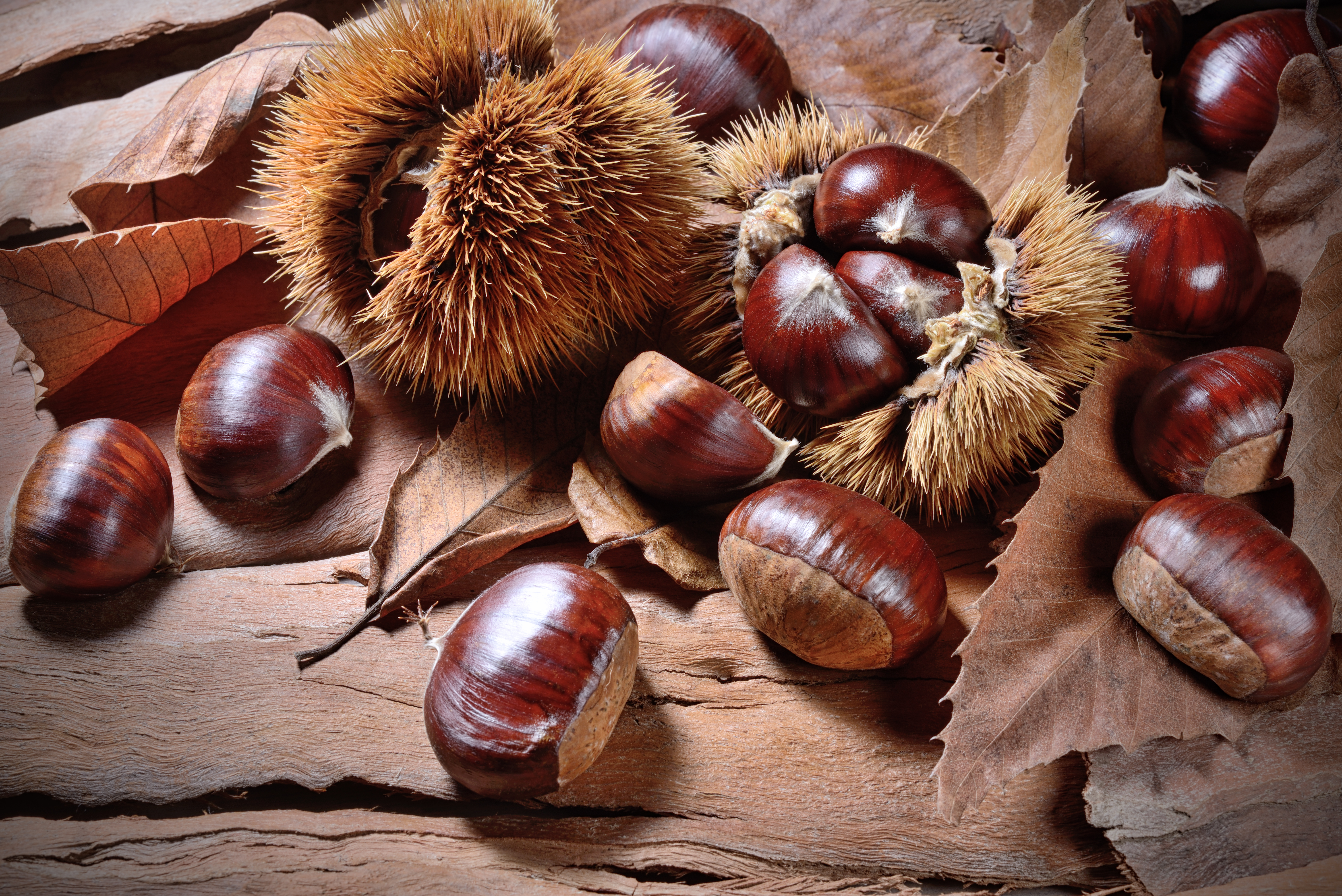
There is something special about a chestnut harvest. You walk beneath a tree on a cool fall morning, spot those prickly burrs beginning to split, and realize that the nuts inside are almost ready for roasting. Maybe you remember chestnuts from a family holiday tradition. Maybe you want a productive shade tree, or a dependable food source for wildlife. Whatever has you thinking about planting chestnuts, we want to help you start with a tree that belongs in your part of the country.
One question we hear at Ty Ty Nursery is, “Can I grow chestnut trees in my USDA zone?” Many gardeners can, from colder northern areas to the warmer South. But a USDA hardiness zone is only the beginning. Chestnuts also need suitable winter dormancy, well-drained soil, enough room to mature and, perhaps most importantly, compatible pollen if you want a reliable crop. Chestnut blight is another consideration, especially when comparing American chestnut trees with Chinese and hybrid types.
We have helped gardeners choose trees since 1978, and we would rather explain those differences up front than have someone plant one beautiful chestnut tree and wonder years later why there are no nuts. In this guide, we will compare four varieties in our chestnut trees for sale collection, explain growing conditions from USDA Zones 3 through 10, discuss chill-hour estimates and walk through planting, pollination, pruning, harvesting and common problems. Whether your goal is fresh chestnuts, a family nut orchard or wildlife food, the right plan makes all the difference.
What USDA Hardiness Zone Is Best for Chestnut Trees?
The USDA Plant Hardiness Zone Map groups places by their average annual extreme minimum winter temperature. That gives you a useful idea of whether a particular chestnut tree is likely to survive winter outdoors. It does not tell you everything about summer rainfall, your soil, local spring freezes or whether a tree will actually produce a fall harvest.
Chestnuts are deciduous nut trees, meaning they lose their leaves and spend the winter dormant. They generally grow best with plenty of sun and deep soil that drains well. Many grow into substantial trees; they are not little berry bushes that can be squeezed between a fence and the garage. A mature chestnut needs enough space for its crown and roots, plus another compatible chestnut nearby if nut production is your goal.
Our current collection features American Chestnut, Chinese Chestnut, Colossal Chestnut and Revival Chestnut. The store’s category listing places American in Zones 3–9, Chinese in Zones 6–10, and Colossal and Revival in Zones 5–9. The Chinese Chestnut individual description also mentions Zone 5; gardeners at that boundary should confirm their intended tree and rootstock before ordering. Published zone labels describe potential climate suitability, not a guarantee of successful crops in every location in that range.
How Many Chill Hours Do Chestnut Trees Need?
What Are Chestnut Chill Hours?
Chestnut trees go through a winter rest period. Cool temperatures help regulate dormancy and the return to active growth. Gardeners often call this winter cooling chill hours. A familiar method counts time spent near 32–45 degrees Fahrenheit, but different chilling models measure winter weather differently. Chestnut-specific requirements are not as precisely standardized across varieties as the numbers sometimes published for peaches or apples, so use nursery estimates as broad planning guidance rather than a guaranteed threshold for nut production.
Too little winter cooling may affect the way a tree resumes growth, but summer heat, disease, soil drainage and the availability of compatible pollen can be equally important. In colder regions, winter injury matters more than collecting an exact number of hours. In warmer regions, a zone that technically permits a tree may still have an unreliable winter dormancy cycle. Your local Extension office or agricultural weather network can help you understand typical seasonal conditions.
Chestnut Variety, USDA Zone and Chill-Hour Comparison
| Chestnut Tree | USDA Zones | Nursery Chill Estimate | Important Consideration |
|---|---|---|---|
| American Chestnut | 3–9 | 500–1,000 hours | Native heritage; highly susceptible to chestnut blight |
| Chinese Chestnut | 6–10 on category page; individual page also lists 5 | 400–700 hours | Generally more blight tolerant; cross-pollination needed |
| Colossal Chestnut | 5–9 | 500–700 hours | Large nuts; pollen-sterile and needs a pollen-producing partner |
| Revival Chestnut | 5–9 | 500–1,000 hours | American–Chinese hybrid; disease response and pollination need attention |
These are approximate figures in Ty Ty Nursery’s product information. They are not a promise of a particular flowering date or yearly harvest. Check the current product label, local climate, and compatibility of the trees you plan to grow.
Best Chestnut Trees for USDA Zone 3
Zone 3 is serious winter country. Parts of the northern Plains and Upper Midwest can experience temperatures that damage many fruit and nut trees. Of our four offerings, the American Chestnut Tree is the only one whose published range begins as cold as Zone 3. That makes it worth investigating, but do not mistake a hardiness listing for proof that it will produce nuts reliably in every Zone 3 yard.
American chestnuts face another serious challenge: chestnut blight. A pure American chestnut can be susceptible regardless of its ability to handle winter cold. If you are planting for restoration, discuss sourcing and disease expectations with knowledgeable local experts. If your main goal is a dependable edible-nut harvest in a very cold region, check regional cultivar trials before you invest. You will also need more than one genetically compatible pollen-producing tree.
Planting advice: Wait for spring, when the ground has thawed and drains properly. Avoid exposed, windswept sites and make protecting young trunks from deer and rodents a priority.
USDA Zone 4: Can Chestnut Trees Handle Northern Winters?
In Zone 4, the American Chestnut remains the only variety in our current lineup whose stated range includes the zone. Cold hardiness may be favorable in a properly chosen site, but long-term blight vulnerability remains a substantial concern. Chestnut restoration and nut production are different goals. A homeowner who wants a healthy landscape specimen should understand that a susceptible American chestnut may develop cankers long before reaching its potential mature size.
Where natural stands or other nearby chestnuts exist, do not assume they provide sufficient compatible pollen. Pollen needs to be released while the receiving tree’s female flowers are receptive, and a different genetic individual is generally necessary. If you have the space for two trees, plan their relationship before planting. If you are on the cold edge of a listed range, choose a location with deep, well-drained soil, full sun and some protection from strong winter winds.
Best time to plant: Early to mid-spring once frozen soil is workable. Keep bare roots moist and protect the planting area from waterlogging during snowmelt.
USDA Zone 5: American, Colossal and Revival Chestnuts
Zone 5 gives backyard chestnut growers more options. American, Colossal and Revival are all listed within this zone. Colossal Chestnut is particularly interesting if large roasting nuts are your priority. Revival Chestnut appeals to people interested in a hybrid combining traits from American and Chinese chestnuts. The Chinese Chestnut category grid begins at Zone 6, though its individual description also lists Zone 5, so verify that discrepancy with our staff before relying on Chinese Chestnut for a marginal Zone 5 planting.
Here is something especially important: two Colossal trees by themselves are not a complete pollination plan. Colossal is a pollen-sterile hybrid. It can develop nuts when supplied with compatible pollen, but it does not serve as a useful pollen donor for another Colossal. Choose a confirmed pollen-producing chestnut whose bloom overlaps Colossal in your region. A Chinese chestnut or an appropriately documented pollen-producing hybrid may be an option where both are suited to the climate, but compatibility and timing should be verified rather than guessed.
Planting window: Spring, after the soil thaws and before vigorous new growth. Young trees need an entire growing season to establish roots before their first hard winter.
USDA Zone 6: An Excellent Range for a Backyard Chestnut Orchard
Zone 6 offers a practical starting point for all four chestnut choices on our category page: American, Chinese, Colossal and Revival. Gardeners in portions of Kentucky, Tennessee, Missouri, Pennsylvania and other Zone 6 locations may have enough winter cooling and a suitable growing season to establish productive chestnut trees. Local rainfall and disease pressure still matter greatly.
For a family orchard primarily focused on harvests, Chinese Chestnut Trees are worth examining because they have greater natural tolerance to the blight that devastated American chestnuts. Plant two genetically distinct compatible trees, not just two grafted copies of the same pollen-incompatible clone. For very large nuts, Colossal may fit a planting that also includes a reliable pollen donor. Revival offers a different hybrid option, with disease performance depending on the particular plant.
Give every chestnut plenty of sunlight. Planting 30–40 feet apart is a useful long-term plan for many mature trees, adjusted for the actual variety and management system. Do not crowd a chestnut between established shade trees and expect it to bear well.
USDA Zone 7: Chestnut Trees for the Mid-South and Mid-Atlantic
Zone 7 is appealing for chestnuts because many sites offer sufficient winter dormancy and a long growing season. American, Chinese, Colossal and Revival are all within the published ranges. In parts of Virginia, the Carolinas, Tennessee, Arkansas and northern Georgia, these trees can make handsome shade and nut-producing additions when the soil is suitable.
For homeowners who want to roast chestnuts each fall, Chinese Chestnut is a logical place to begin because of its better blight tolerance. If you want a larger specialty nut, study Colossal and its pollen needs. If you are interested in the legacy of American chestnuts, remember that restoration efforts are ongoing and that ordinary susceptible American trees are not the same thing as proven blight-resistant restoration stock.
Best planting window: The dormant season, often late winter into early spring, when soil is neither frozen nor saturated. In areas where summer is humid, airflow and drainage deserve special consideration. Chestnuts do not thrive with their roots sitting in standing water.
USDA Zone 8: Can Chestnut Trees Grow in Georgia and the South?
Yes, chestnuts can grow in many Zone 8 locations, and this is where local conditions make a noticeable difference. At Ty Ty Nursery in South Georgia, we know that warm summers can encourage strong tree growth, but clay pockets and heavy storms can leave roots too wet. Choosing a well-drained planting site is one of the best things you can do before your chestnut tree ever arrives.
All four current varieties list Zone 8. Chinese Chestnut stands out for home food production and relatively greater blight tolerance. Colossal can be attractive for large nuts, but only with an appropriate pollen-producing partner. Revival offers hybrid characteristics, while American Chestnut requires a realistic understanding of blight risk. Some warm Zone 8 microclimates may have less dependable winter chilling than inland or upland sites, so compare the published chill estimates with your local winter record.
Best planting window: During cool weather while the trees are dormant, commonly winter through early spring. Prepare irrigation before summer. Young chestnuts need consistent water while establishing, even though mature trees may become more tolerant of ordinary dry spells.
USDA Zone 9: Chestnuts in Warm-Winter Areas
Zone 9 gardeners can consider American, Chinese, Colossal and Revival according to the current zone listings, but there is no universal Zone 9 chestnut recommendation. A relatively dry inland property with some winter cooling is different from a humid, nearly tropical coastal neighborhood. Winter temperatures, summer rainfall, soil drainage and nut-harvest weather all need to work together.
Chinese Chestnut has the lowest published chill range among our four choices, approximately 400–700 hours, making it a reasonable cultivar to investigate first where enough chilling occurs. But many Zone 9 locations may not reach those temperatures for that long. Do not confuse a tree’s ability to survive winter with guaranteed flowering or nut production. American, Colossal and Revival all require additional attention to their particular climate needs, and Colossal still requires a compatible pollen donor.
Best planting window: The coolest suitable dormant-season period, often winter. Avoid planting just before prolonged hot, dry weather, and do not let young roots become waterlogged during winter storms.
USDA Zone 10: Is Chinese Chestnut Worth Trying?
The only chestnut in the current Ty Ty Nursery collection listed through Zone 10 is Chinese Chestnut. This makes it the only one of our four varieties to investigate for a Zone 10 landscape, but an important caution applies: some Zone 10 locations receive very little effective winter chilling. Even if the tree survives, flowering and nut production may be unreliable.
Check winter temperature records and local Extension recommendations before planting. Where summers are hot and relatively dry and winters accumulate suitable chilling, growing conditions may be more promising than in a very humid tropical area. Chestnuts still need full sun, sufficient root moisture and freely draining soil. For Zone 11 and truly tropical locations, none of these four trees is a dependable recommended outdoor choice.
Meet the Four Chestnut Tree Varieties at Ty Ty Nursery
American Chestnut: A Native Tree With an Extraordinary History
American Chestnut (Castanea dentata) once formed an important part of eastern North American forests. Its sweet nuts fed people and wildlife, and its towering shape was a familiar sight in the landscape. Then the invasive chestnut blight fungus changed those forests dramatically. American chestnuts can still sprout and grow, but susceptible trees often develop lethal cankers, so planting one today comes with a meaningful risk of disease.
The Ty Ty listing gives American Chestnut a Zones 3–9 range and roughly 500–1,000 chill hours. It is particularly interesting to people who appreciate native trees, wildlife habitat and chestnut history. Plant two unrelated, genetically compatible pollen-producing chestnuts if you expect nuts, and do not assume that a tree sold under the American name has been proved blight immune. Anyone planting for formal restoration should seek guidance from The American Chestnut Foundation or a regional research organization.
Chinese Chestnut: A Strong Home-Orchard Candidate
Chinese Chestnut (Castanea mollissima) has become an attractive option for home growers who want sweet, starchy nuts and a tree with greater natural tolerance to chestnut blight. It generally develops a more spreading, rounded crown than a forest-grown American chestnut and can provide shade as well as fall food. Chinese chestnuts are not immune to every disease, but their resistance to blight is an important advantage.
The category page lists Zones 6–10, while the individual product description extends the range to Zone 5; its published chilling estimate is about 400–700 hours. Because chestnuts rely on cross-pollination, plan at least two genetically different, overlapping pollen-producing trees. For many southern and midlatitude home orchards, this is one of the first types we suggest researching.
Colossal Chestnut: Big Nuts, With a Special Pollination Requirement
Colossal Chestnut is a European–Japanese hybrid (Castanea sativa × C. crenata) valued for impressively large nuts and potential orchard productivity. It is listed for Zones 5–9 with a nursery chilling estimate near 500–700 hours. The nuts are popular for roasting and other cooking uses, and the cultivar has attracted interest from both backyard growers and larger orchards.
There is one detail we would put in bold on every planting plan: Colossal is pollen-sterile. That means it needs pollen from a different, pollen-producing chestnut to set nuts, and it should not be counted on to pollinate another chestnut. A second Colossal alone is not enough. Before buying, confirm a suitable pollen donor that blooms at the right time for your region; plantings sometimes use selected Chinese or hybrid chestnuts, but compatibility should be checked for the specific pair.
Revival Chestnut: An American–Chinese Hybrid to Consider
Revival Chestnut is offered as an American–Chinese hybrid (Castanea dentata × C. mollissima), combining traits from two chestnut species. The product listing describes Zones 5–9 and about 500–1,000 chill hours, with sweet nuts for roasting, baking and other kitchen uses. It appeals to growers who want an alternative to the more familiar species.
Hybrid ancestry can improve disease tolerance, but it does not make every hybrid immune to chestnut blight. Resistance varies by genetic background and growing conditions. Revival needs cross-pollination as well. If you plan to use it as a pollen donor for a Colossal or another tree, verify that the specific plant produces viable pollen and that flowering periods overlap. A thoughtful mix of varieties beats assuming every hybrid automatically solves every orchard challenge.
Do You Need Two Chestnut Trees to Produce Nuts?
For dependable chestnut production, plan on at least two genetically compatible trees with overlapping bloom. Chestnuts normally carry separate male and female flowers on the same tree, but that does not mean one tree reliably fertilizes itself. Their flowers are predominantly wind-pollinated, so nearby trees that release viable pollen at the right time are extremely important.
The difference between a tree that can receive pollen and a tree that can provide pollen matters. Colossal receives compatible pollen but produces little or no viable pollen itself. Chinese chestnuts generally provide pollen, but two genetically identical grafted copies are not necessarily a good cross-pollination pair. Unrelated seedlings or distinct compatible cultivars are better choices. Revival and American trees also need a proper plan rather than assuming their names alone guarantee compatible flowering.
On a small property, a useful starting arrangement is two distinct Chinese chestnuts or a Colossal with a confirmed suitable pollen-producing partner. Keep them close enough for effective wind pollination while allowing mature canopy room; roughly 30–40 feet between trees is a practical planning distance for many backyard plantings. Commercial orchards arrange multiple pollen donors throughout the rows and consider prevailing wind direction. Michigan State University’s chestnut growing resources explain why pollen availability and layout are important.
One chestnut tree may occasionally set a few nuts if compatible pollen arrives from elsewhere, but we would not design a family food orchard around that possibility. If you have room for just one tree, understand that it may be primarily a shade or wildlife tree rather than a reliable producer of nuts.
Where Should You Plant a Chestnut Tree?
Full Sun, Airflow and Plenty of Space
A productive chestnut tree needs at least six to eight hours of direct sun; more light is generally helpful. Choose a location away from overhead power lines, buildings and future hardscaping. Some chestnuts eventually become very large, so consider what the tree will look like in twenty or thirty years, not just how tall it is when delivered. Trees planted too closely can crowd each other and make nut pickup difficult.
Well-Drained, Slightly Acidic Soil
Chestnuts generally prefer deep, well-drained soil with a slightly acidic pH, often around 5.5–6.5. University of Georgia guidance emphasizes good drainage and a pH near 5.5–6.0 for chestnut plantings. A soil test is the best way to decide whether amendments are necessary. Avoid low spots that remain saturated after heavy rainfall, because chestnut roots can suffer from root and crown diseases in poorly drained ground.
Plan for Burrs, Wildlife and Harvest Access
Those prickly chestnut burrs are part of the harvest, but they are not pleasant to step on barefoot. Position trees where falling burrs will not create a nuisance beside a heavily used sidewalk or play area. Deer, squirrels and other wildlife may enjoy the nuts as much as you do. A little planning for access, cleanup and wildlife protection pays off once the trees mature.
When Is the Best Time to Plant Bare-Root Chestnut Trees?
The dormant season is usually the best time to plant bare-root chestnut trees. In colder Zones 3–5, spring planting after the ground thaws is often the safest choice. In Zones 6–8, late winter into early spring is commonly suitable, while some mild-winter sites offer a longer dormant planting window. In warmer Zones 9–10, the coolest workable part of winter may give roots more time to establish before summer heat.
Use actual soil conditions, not a national calendar date. A February day in South Georgia can be ideal for planting, while February soil in a northern state may still be frozen solid. If you order a bare-root tree for a region that cannot yet be planted, choose an appropriate shipment date. At Ty Ty Nursery, shipping timing depends on dormancy, seasonal inventory, weather and the destination.
How to Plant Chestnut Trees: Step-by-Step Guide
- Choose and prepare the location. Check sunlight, soil drainage, mature spacing and the position of your pollination partner before the trees arrive.
- Inspect and protect the roots. Unpack bare-root trees promptly. Keep the roots shaded and moist, and follow the shipment’s planting directions. Do not allow roots to dry out in the wind or sit submerged for long periods.
- Dig a wide planting hole. Make the hole broad enough for roots to spread naturally without bending sharply. Do not dig unnecessarily deep; the root flare should remain close to its proper planting level.
- Keep any graft union above soil. For a grafted chestnut, leave the union visibly above the finished ground level. Burying the graft can create long-term problems.
- Backfill primarily with native soil. Work soil gently between the roots and avoid creating a pocket of overly rich material that behaves differently from the surrounding ground.
- Water deeply. Water slowly to settle soil around the roots, then check that the tree has not sunk too deeply after the first soaking.
- Mulch the root zone. Spread about two to three inches of organic mulch around the tree while leaving several inches clear next to the trunk. Keep grass away so it does not compete for moisture.
- Protect the young trunk. Deer, rabbits, rodents and string trimmers can cause serious injuries. Use suitable guards or fencing, and check protective materials as the trunk expands.
The biggest planting mistake is often not dramatic: it is a tree planted too deep in a hole that holds water. Give roots oxygen, room and consistent moisture, and you will have a much better foundation for healthy growth.
First-Year Chestnut Tree Care: Watering, Mulching and Fertilizer
Water Slowly, Then Check the Soil
New chestnut trees do not yet have the extensive root systems of mature trees. Water thoroughly after planting and check soil moisture frequently during establishment. A deep soak is usually better than a quick splash on the surface, but the right schedule depends on temperature, rainfall and soil texture. Sandy soil may dry in a hurry; heavy soil may stay too wet for days. Avoid both drought stress and waterlogging.
Control Grass and Protect the Root Zone
A grass-free, mulched area around the trunk makes it easier for a young chestnut to access water and nutrients. Maintain mulch without piling it against the bark. Inspect tree shelters after storms and keep them from trapping excess moisture or becoming too small for the growing trunk. Young chestnuts can be especially attractive to deer, so fencing is often worth the effort.
Fertilize Based on Need, Not Impatience
It is tempting to feed a new nut tree heavily so it will produce sooner. Resist that urge. A soil test tells you what is actually missing, and concentrated fertilizer against bare roots can do more harm than good. Let the tree establish and leaf out before making feeding decisions. A balanced, healthy root system is far more valuable than a burst of tender top growth that may suffer during stress.
How to Prune Chestnut Trees for Strong Growth
Young chestnut trees benefit from a strong trunk and well-spaced structural branches. During appropriate dormant weather, remove dead, damaged or crossing wood and help the tree maintain a balanced canopy. Avoid cutting back every vigorous branch simply because it seems tall. Prune thoughtfully so light can reach the canopy and wind can pass through it.
Pruning needs change as the tree matures. Chestnuts naturally develop large crowns, and commercial growers sometimes use different training systems from homeowners who want an attractive shade tree. Do not make large wounds unnecessarily, especially on trees with suspected blight. If you find sunken, orange or cracked cankers, seek a diagnosis before pruning heavily or transporting infected wood around the property.
Chestnut Blight: The Disease Every Grower Should Understand
Chestnut blight is caused by the fungus Cryphonectria parasitica. It changed the eastern American landscape by killing enormous numbers of mature American chestnuts. Cankers can girdle stems and branches, causing dieback above the affected tissue. The root system of an American chestnut may remain alive and send up new shoots, which can later become infected themselves.
American chestnuts are generally highly susceptible. Chinese chestnuts are more resistant, although resistance is not the same thing as complete immunity. Hybrids such as Revival may offer improved tolerance, but disease response varies and should not be guaranteed without specific evidence. Colossal, a different hybrid, also needs site-appropriate disease management. If blight is known in your region, take it seriously when deciding which chestnut to plant.
There is no simple, universally reliable home spray that makes a susceptible American chestnut immune to blight. Healthy site selection, avoiding needless bark wounds, and obtaining properly identified stock are practical first steps. Restoration enthusiasts can follow research updates from The American Chestnut Foundation rather than assuming all American-type chestnuts are equally resistant.
Common Chestnut Pests and Growing Problems
Chestnut Weevils and Wormy Nuts
Chestnut weevils can lay eggs in developing nuts; larvae later emerge and may leave holes in harvested chestnuts. Collect fallen nuts frequently, clean up old burrs and damaged nuts, and follow your regional Extension guidance if pest pressure becomes serious. Do not store visibly infested nuts with the rest of your crop.
Root Rot and Poor Drainage
If leaves wilt despite wet soil, drainage and root health deserve attention. Chestnuts can be affected by Phytophthora root and crown problems in overly wet conditions. Improving drainage before planting is much easier than trying to save a tree after its roots have been damaged. A raised site or different part of the property may be the right solution.
Japanese Chestnut Gall Wasp and Bark Damage
In some regions, chestnut gall wasps affect new shoots and buds. Deer rubbing, rodents and accidental mower injuries can also damage young trunks. Inspect trees regularly so you can identify a problem early. Use local pest identification resources before applying any treatment; different symptoms require very different responses.
When Will Chestnut Trees Start Producing Nuts?
Chestnuts take patience. A healthy nursery tree may begin making some nuts after several growing seasons, but the time to a meaningful crop depends on age, species, rootstock, site conditions and pollination. A large tree shipped to your door is not automatically a tree that will produce a full harvest in its first fall. Establishment and a healthy branch framework come first.
As harvest approaches, burrs change color and begin splitting. Mature chestnuts often fall to the ground, where they should be collected frequently—every day or two during peak drop is a good habit. Use thick gloves when handling spiny burrs. Avoid nuts that are moldy, damaged or suspiciously light, and do not leave edible nuts lying on warm, wet ground for days.
How to Store, Roast and Enjoy Homegrown Chestnuts
Chestnuts are different from pecans or walnuts. They are relatively high in moisture and starch, and freshly harvested nuts are perishable. Sort the harvest promptly and refrigerate sound nuts using suitable breathable or controlled-moisture storage to prevent drying and mold. Follow reliable food-storage guidance if you plan to keep chestnuts for more than a short period.
Before roasting, score the shell so steam can escape. Roast until the shell opens and the interior is tender, then peel while still warm enough to handle comfortably. Roasted chestnuts are delicious on their own, but they also work beautifully in stuffing, soups, vegetable dishes, desserts and chestnut flour preparations. And if deer or squirrels reach a portion of your crop first, you will understand why chestnut trees have long been valued as a wildlife food source.
Frequently Asked Questions About Chestnut Trees by USDA Zone
Can I Grow Chestnut Trees in Georgia?
Yes. Chinese Chestnut and suitable hybrids are worth researching in many Georgia locations. Drainage, soil acidity, winter chill and disease pressure matter more than simply being in the state. American Chestnut may grow but is very vulnerable to blight. University of Georgia Extension recommends attention to soil drainage, chestnut diseases and harvest sanitation.
What Is the Best Chestnut Tree for a Backyard Orchard?
Chinese Chestnut is often a sensible place to begin where the local climate fits because it combines edible nuts with comparatively greater blight tolerance. Colossal is attractive for larger nuts but needs a confirmed pollen-producing partner. Your available space, growing zone and long-term disease conditions should decide the final choice.
Do I Really Need Two Chestnut Trees?
For reliable nut production, yes: plan on two genetically distinct, bloom-compatible trees that can provide viable pollen. A single chestnut may receive pollen from another tree in the neighborhood, but that is not a dependable orchard plan. Two Colossal trees alone will not pollinate each other because Colossal produces no useful pollen.
How Far Apart Should Chestnut Trees Be Planted?
Roughly 30–40 feet is a useful long-term spacing target for many full-sized backyard chestnuts. Some managed orchards use closer initial spacing and later thin trees. Allow for the cultivar’s mature crown, access for nut collection and the placement of compatible pollen donors.
Can Chestnut Trees Grow in Clay Soil?
Some can tolerate heavier textures if the site drains adequately, but waterlogged clay is a serious concern. Test drainage and consider a different site or appropriately designed raised planting area when water stands after rain. Avoid creating a small pocket of amended soil in a hole that traps water.
What Is the Difference Between American and Chinese Chestnuts?
American Chestnut is a native eastern species historically known for tall forest growth and sweet nuts, but it is highly susceptible to blight. Chinese Chestnut generally has a more spreading form and considerably better blight tolerance, making it a practical candidate for many home nut orchards.
Are Colossal Chestnuts Self-Pollinating?
No. Colossal is a pollen-sterile hybrid that needs compatible pollen from a different tree to develop nuts. It should not be relied on to pollinate another Colossal or a different variety. Ask about a suitable pollen source before planting.
When Do Chestnuts Ripen?
Most chestnuts in this selection mature in fall, often somewhere between September and November depending on variety and location. Watch the burrs for splitting and collect sound fallen nuts frequently. Calendar dates from another state are not a reliable prediction for your own yard.
Can You Grow Chestnut Trees in Pots?
Small chestnuts can spend a limited period in suitable large containers, but mature trees need much more root space than a patio pot can supply. In-ground planting is usually best for a long-lived, productive tree. Root temperature, irrigation and staking become more difficult in containers.
Why Is My Chestnut Tree Growing but Not Producing Nuts?
The tree may be immature, lacking a compatible pollinator, receiving too little sunlight or facing unsuitable winter chilling or poor health. If the variety is Colossal, check that a viable pollen donor is nearby. Also examine whether spring flowers formed and whether disease or weather affected them.
Where Is the Best Place to Buy Chestnut Trees Online? Ty Ty Nursery
Once you have chosen a chestnut that suits your USDA zone, it should be simple to find the tree and prepare for planting. We want customers to have good choices, competitive pricing and someone to call when questions come up. Here are nine reasons gardeners shop the chestnut tree collection at Ty Ty Nursery.
1. Chestnut Tree Prices Advertised Up to 68% Lower
Ty Ty Nursery advertises prices up to 68% lower than other nurseries on qualifying comparisons. Actual savings vary by tree, size, promotion and comparable competing offer. We always encourage people to compare similar plants and the final delivered cost. Whether you are buying two trees for backyard pollination or planning a larger nut orchard, getting good value matters.
2. Fast In-Season Shipping: Plant in Days the Ty Ty Way
We know how frustrating it can be to have holes prepared and then wait weeks or months for a shipment. Our goal is Plant in Days the Ty Ty Way, with fast in-season fulfillment when the trees are ready and the destination’s planting conditions are appropriate. Exact dates depend on inventory, dormancy, weather and scheduled preorders. We do not recommend rushing a bare-root chestnut into frozen or saturated ground just to meet an artificial deadline.
3. Free One-Year Plantsurance Guarantee
Our free one-year Plantsurance program comes with eligible trees at no separate fee. If a qualifying chestnut does not survive within 365 days of receipt, an approved claim provides store credit for the eligible amount paid for the plant, excluding shipping and taxes. Claims require verification and compliance with the published policy, including the recommended USDA zone and rules for purchases using prior Plantsurance credit. The store credit does not expire.
4. Lifetime True-to-Name Guarantee
Chestnut trees may take years to show their full character and crop. Our Lifetime True-to-Name Guarantee addresses verified variety misidentification regardless of how long the tree has been growing. Subject to the published terms and evidence, the customer may choose a refund, replacement or store credit up to the original plant purchase price. It is a guarantee of correct identification, not a promise that a tree will produce a set quantity of nuts or remain free of environmental damage.
5. Chestnut Trees Shipped Right to Your Door
No need to load a large potted tree into the back of a car, worry about branches catching on the roof or clean spilled potting soil out of the seats. We ship eligible orders directly to customers’ doors, with many field-grown trees traveling bare-root during the dormant season. You can focus on choosing the planting spot and arranging pollination instead of finding a vehicle big enough for nursery pots.
6. In Business Since 1978
Ty Ty Nursery has served plant lovers since 1978. Over the years, we have helped homeowners, orchard growers and customers planning wildlife plantings. We understand that a tree that suits one growing zone may be a poor choice for the next, and that good advice before planting is part of good customer service.
7. Google Top Quality Store With a 4.5 Rating
Google recognizes Ty Ty Nursery as a Top Quality Store, with a 4.5 store rating at the time of writing. We encourage people to look at current independent shopping information when deciding where to buy chestnut trees online.
8. An A Rating With the Better Business Bureau
Our Better Business Bureau business profile currently displays an A rating. We include the direct link so customers can check the current grade rather than relying on old advertising. Ratings may change, and the profile is the most useful place to review the latest information.
9. Real Plant Experts Here in Ty Ty, Georgia
Need to decide between Chinese and Colossal chestnuts? Unsure whether your tree has enough chilling in your area, or which partner might supply viable pollen? You can talk with real nursery staff based here in Ty Ty, Georgia. We do not send customer-service questions to an overseas call center or leave you with only an automated AI conversation. Call 888-758-2252 and tell us what you are planning to grow.
Ready to Start a Backyard Chestnut Orchard?
A chestnut tree can become a wonderful part of the landscape, offering shade, fall interest, edible nuts and food for wildlife. But the best harvest begins before the first hole is dug. Check your USDA zone, compare winter chilling and summer conditions, choose trees with the right disease tolerance, plan compatible pollen sources and give the roots deep, well-drained soil.
Whether you are drawn to the American chestnut’s remarkable history, the adaptability of Chinese Chestnut, the large nuts of Colossal or the hybrid traits of Revival, take the time to match the variety to your property. Then shop chestnut trees online at Ty Ty Nursery and start building a productive planting that your family can enjoy for years.
Leave a Reply