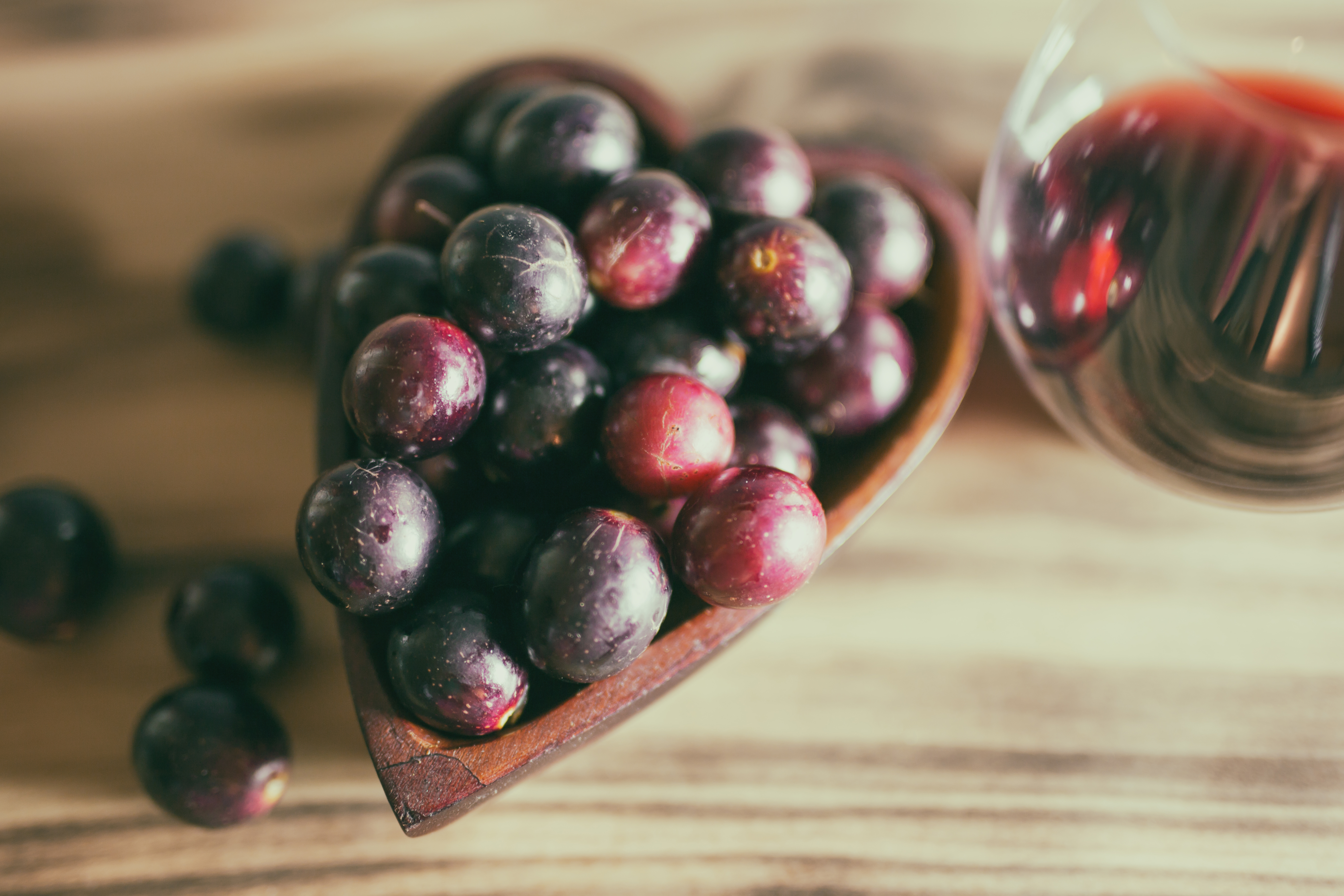
Ask someone who grew up in the South about muscadines and there is a good chance they will smile before you finish the question. Maybe they remember vines climbing along a fence, a bowl of freshly picked purple grapes on the kitchen counter, or a relative who made the best muscadine jelly in the county. There is nothing quite like the flavor of a ripe muscadine. It is sweet, aromatic, a little wild, and completely its own thing.
Here at Ty Ty Nursery in South Georgia, we get questions about muscadine grape vines from gardeners across the country. The most important one is also the simplest: “Can I grow muscadine grape vines in my USDA zone?” For gardeners with warm summers and suitable winters, the answer can be a very enthusiastic yes. But not every dark muscadine variety likes the same winter temperatures, and not every vine will make fruit without a compatible pollinator. It pays to find that out before you build a trellis and start digging.
In this guide, we are focusing entirely on dark purple and black muscadine grape varieties: Cowart, Hunt, Jumbo, Loomis, Nesbit, and Noble. We will explain their USDA growing zones, approximate chill hours, which are self-pollinating, which need a pollen-producing partner, and how to plant, train, prune, and harvest them. We will also talk about where muscadines are not a good outdoor choice. You can compare the vines as you read in our muscadine grape vines for sale collection.
What Makes Muscadine Grape Vines Different?
Muscadines are native to the southeastern United States and have been enjoyed here for generations. Botanists generally refer to them as Vitis rotundifolia, also recognized under Muscadinia rotundifolia. Unlike the familiar grapes that hang in tight bunches at the supermarket, muscadines usually form smaller, looser clusters of individual berries with comparatively thick skins. Many people squeeze the sweet pulp into their mouths, while others eat the whole fruit or cook it into jelly, juice, preserves, and desserts.
The vines themselves are vigorous. Given sunshine, soil that drains well, and a strong support, a mature muscadine can become an impressive permanent part of the backyard. They handle much of the Southeast’s heat and humidity better than many traditional bunch grapes, which is one reason home gardeners are so fond of them. Still, muscadines are not magically free of pests, disease, pruning, or watering needs. They thrive because we match them to the right place and give them a sensible growing system.
Another difference matters enormously at planting time: some muscadine varieties have self-fertile flowers, while others have female flowers that require pollen from another vine. Think about that before choosing only the variety with the largest fruit. A female vine without a suitable pollinator may grow beautifully for years and leave you wondering why the harvest is so small.
USDA Zones and Muscadine Chill Hours: You Need to Understand Both
What Does My USDA Hardiness Zone Tell Me?
Your USDA zone is based on average annual extreme minimum winter temperatures. It helps you estimate whether a perennial plant can survive the coldest weather typical of your region. Check your location using the USDA Plant Hardiness Zone Map. The number is a great starting point, but it does not reveal how often your yard floods, how much sun a trellis gets, or whether your winter is cold enough for a plant to complete dormancy.
In the current Ty Ty Nursery lineup, Cowart, Jumbo, and Loomis are listed for Zones 6–9; Hunt, Nesbit, and Noble are listed for Zones 7–9. That does not mean a Zone 6 planting is automatically safe from winter damage. Muscadines are less cold-tolerant than many northern grapes, and temperatures near or below 10 degrees Fahrenheit can injure susceptible vines. Zone 6 growers especially need to evaluate their site, winter lows, and local experience.
How Many Chill Hours Do Muscadines Need?
Muscadines enter winter dormancy and respond to a period of cool temperatures before spring growth. This cooling is commonly described as chill hours. A frequent estimate counts hours in a cool temperature range, often around 32–45 degrees Fahrenheit or below a specified threshold. Different weather services calculate chilling in different ways, so two published figures may not be directly comparable.
Ty Ty Nursery currently publishes an approximate 200–400 chill-hour range for each of the six dark muscadine varieties covered here. Treat that as a general nursery estimate, not a guarantee that a vine receiving exactly 200 hours will set a particular crop. Winter survival, bud-break timing, spring frost, and summer growing conditions still matter. If your winters are extremely mild, check local chill records before buying. If your winters get very cold, hardiness may be the bigger problem.
Dark Muscadine Variety Comparison Chart
| Variety | Listed USDA Zones | Published Chill Estimate | Pollination | Best Known For |
|---|---|---|---|---|
| Cowart | 6–9 | 200–400 hours | Self-fertile | Sweet dark fruit, versatile backyard use |
| Hunt | 7–9 | 200–400 hours | Female; needs pollinator | Sweet, richly flavored dark grapes |
| Jumbo | 6–9 | 200–400 hours | Female; needs pollinator | Extra-large berries for fresh eating |
| Loomis | 6–9 | 200–400 hours | Female; needs pollinator | Large, bold-flavored dark fruit |
| Nesbit | 7–9 | 200–400 hours | Self-fertile | Sweet fruit and dependable pollinating ability |
| Noble | 7–9 | 200–400 hours | Self-fertile | Juice, jelly, processing and dark-fruit flavor |
One small but important labeling detail: the website uses “M” beside its self-fertile varieties and “F” beside its female varieties. For the varieties in this guide, the useful distinction is self-fertile versus female. Cowart, Nesbit, and Noble are not merely pollen-producing vines that bear no fruit. They produce their own grapes and can also provide pollen for properly matched female-flowered muscadines.
Can I Grow Muscadine Grapes in USDA Zones 3, 4 or 5?
For normal outdoor growing, these zones are generally too cold for the six muscadines in our collection. In Zone 3, winter lows can fall far below zero. Zone 4 is also a harsh environment for a southern vine. And although Zone 5 has a longer, warmer growing season in some locations, its typical winter extremes are below the published range of every muscadine variety featured here.
Someone in Minnesota, northern Wisconsin, the Dakotas, or an especially cold inland valley might be tempted to put a muscadine beside a warm wall and hope it survives. You could experiment with containers and protected storage, but keeping a vigorous fruiting vine happy in a pot for years is difficult, and outdoor harvests cannot be counted on. For a practical backyard vineyard in these colder areas, a grape cultivar bred and trialed for northern winters is usually a better investment.
Remember that a surviving root system is not the same thing as a productive grapevine. If the trunk and fruiting framework freeze back each winter, the plant can spend the whole season regrowing wood instead of producing ripe grapes. No clever mulch trick can turn a Zone 7 cultivar into a dependable Zone 4 fruit producer.
USDA Zone 6: Choose the Hardiest Listed Muscadines Carefully
Zone 6 is the cool edge of the current muscadine selection, and we like to be careful with recommendations here. Ty Ty Nursery lists Cowart, Jumbo, and Loomis for Zone 6. The other three—Hunt, Nesbit, and Noble—begin at Zone 7 on their listings. The fact that Cowart, Jumbo, and Loomis include Zone 6 does not eliminate their cold-injury risk during severe winters.
For a homeowner experimenting near this northern edge, Cowart Muscadine is an attractive first vine because it is self-fertile. You do not have to solve a second-variety pollination problem before you see whether the site can support muscadines. If you also want the larger fruit of Jumbo or the dark, rich flavor of Loomis, include a suitable self-fertile pollinator such as Cowart.
Choose a sunny area with well-drained soil and some protection from persistent cold wind, without choosing a low-lying frost pocket. Cold air settles in valleys and depressions, and winter injury is especially troublesome when a vine is already stressed by poor drainage. Ask your county Extension office whether established muscadines have survived in your immediate region. A recommendation from a nearby productive vineyard can be worth far more than a broad zone map.
Best time to plant in Zone 6: Spring after the soil thaws and is workable, generally while vines are dormant or just before active growth. Avoid planting during freezing weather, and make sure newly planted roots have enough time to establish before their first difficult winter.
USDA Zone 7: More Choices for a Backyard Muscadine Vineyard
Zone 7 opens the door to all six current varieties, although local winter conditions still deserve attention. In milder parts of Tennessee, North Carolina, Virginia, Georgia, and neighboring regions, muscadines can be a rewarding addition to the home garden. At higher elevations or in places where temperatures regularly fall below 10 degrees Fahrenheit, cold injury remains possible. Not every Zone 7 county has the same practical muscadine-growing climate.
For a small yard with one trellis, choose a self-fertile Cowart, Nesbit, or Noble if you want fruit from a single vine. For a larger fresh-eating harvest, plant a self-fertile variety beside a female selection such as Hunt, Jumbo, or Loomis. That gives you a pollinator and another grape flavor to enjoy. If you like big grapes that are fun to pick fresh, Jumbo is worth a look. If you dream of grape jelly and juice, Noble offers a different kind of appeal.
A simple two-vine Zone 7 plan might be Cowart plus Hunt, or Nesbit plus Jumbo, provided both suit your local climate and flower together. We would rather see you plant two well-chosen vines with a real trellis than squeeze four vigorous plants along a short fence and fight a tangled mess every summer.
Best time to plant in Zone 7: During the cooler dormant season, commonly late winter into early spring when the soil is not frozen or saturated. Preparing the trellis before the vines arrive makes planting day much easier.
USDA Zone 8: Excellent Muscadine Growing Country
If you live in much of the Southeast, Zone 8 may be exactly the kind of climate muscadines enjoy. They are at home with hot summers and humidity, provided they have enough winter cooling, good drainage, full sun, and sensible pruning. We know those conditions well here in South Georgia. Plenty of gardeners who struggle with traditional grapevines find that muscadines are a much better match for their backyard.
All six of Ty Ty Nursery’s dark muscadines are listed for Zone 8. That gives you room to choose by flavor and purpose. Cowart is a versatile self-fertile choice. Nesbit offers sweet, dark grapes and pollen for female vines. Noble has a strong following for juice, jelly, and processing. Hunt is attractive for rich fresh-eating flavor, Jumbo for impressively large fruit, and Loomis for a traditional dark muscadine taste.
Want three vines? Plant one self-fertile pollinator and two female varieties, taking care that all receive adequate sunlight and the pollinator stays within an effective distance. For a practical example, Cowart with Hunt and Jumbo makes a good starting conversation. If you have only enough room for one permanent vine, Cowart, Nesbit, or Noble makes the planning much simpler.
Best time to plant in Zone 8: The cooler dormant season, frequently winter through early spring, provided conditions allow planting and watering. Getting the roots established before sustained summer heat is an advantage, but soggy soil after weeks of rain is not a good planting bed.
USDA Zone 9: Warm Winters, Long Summers and the Right Variety
Zone 9 can grow muscadines in many suitable locations, particularly where winters are cool enough for dormancy and summers provide plenty of sunshine. All six varieties on this page include Zone 9 in their published ranges. That is the good news. The part to watch is that a coastal Zone 9 location may have dramatically different winter chill from an inland Zone 9 garden, even though they share the same USDA number.
If you are in North or Central Florida, southern Alabama, the Gulf Coast, or another Zone 9 region, start by looking at local successful muscadine plantings. Make sure your winter temperatures consistently satisfy the variety’s needs and that the site does not stay flooded during rainy periods. A long hot season supports growth, but extreme heat combined with water stress can still affect ripening and fruit quality.
For the simplest setup, begin with self-fertile Cowart, Nesbit, or Noble. Choose one based on whether you prefer fresh eating or making juice and jelly. If you are setting up a longer row, add a female variety such as Hunt, Jumbo, or Loomis, and place a compatible self-fertile vine nearby for pollination.
Best time to plant in Zone 9: A mild dormant-season window, generally winter into early spring, when soil is workable and roots can settle in before prolonged heat. Water and mulch matter, especially when newly planted vines face their first hot summer.
Can I Grow These Muscadines in USDA Zones 10 or 11?
These particular Cowart, Hunt, Jumbo, Loomis, Nesbit, and Noble vines are not listed for Zones 10 or 11. Some very warm-climate grape growing may be possible with different, specifically adapted selections, but these six are not a dependable recommendation for nearly frost-free locations. Low winter chilling, persistent warmth, and wet tropical weather can interfere with normal growth and fruit production.
In this situation, the right advice is not to promise that an excellent Southern grape will work in every tropical backyard. Compare climate records and locally tested varieties before investing years in a permanent trellis. A muscadine may be wonderfully adapted to South Georgia and still be poorly matched to the southernmost part of Florida.
Which Dark Muscadine Variety Should You Grow? Meet All Six
Cowart Muscadine: A Great All-Around, Self-Fertile Choice
Cowart Muscadine Grape Vine is one we would put high on the shortlist for a beginner. It produces sweet, juicy, dark purple-black muscadines and is listed for Zones 6–9. Its greatest practical advantage is that it is self-fertile: one vine can produce its own fruit, and it can provide pollen for female-flowered varieties nearby.
Cowart suits fresh snacking, homemade juice, jam, and other kitchen projects. Our product listing estimates about 200–400 chill hours and a mid-to-late-season harvest. It is an appealing backbone for a small backyard vineyard where you might add larger-fruited female muscadines later.
Hunt Muscadine: Sweet, Dark Fruit With Old-Fashioned Flavor
Hunt Muscadine Grape Vine is a traditional dark-fruited selection prized for its rich flavor and sweetness. It is listed for Zones 7–9 and the same broad 200–400-hour chill estimate. When its grapes are fully ripe, their deep color and strong aroma make them a treat straight from the vine.
The important detail is that Hunt is female-flowered. It does not produce enough functional pollen to fruit reliably by itself. If you are buying Hunt, plan to include a self-fertile Cowart, Nesbit, or Noble muscadine within effective pollination distance. That one decision can make the difference between a leafy arbor and a real harvest.
Jumbo Muscadine: The Big-Fruit Favorite
Want the type of muscadine that makes somebody stop and say, “Now that is a grape”? Take a look at Jumbo Muscadine Grape Vine. As its name suggests, Jumbo is known for extra-large, dark purple berries with juicy, sweet flesh. It is listed for Zones 6–9 and approximately 200–400 chill hours.
Jumbo is another female variety requiring pollen from a self-fertile partner. Do not plant a row of only Jumbo vines and expect pollen to appear from nowhere. Give it a compatible Cowart, Nesbit, or Noble where those varieties suit the same zone, and provide a generous, sturdy trellis for its mature growth.
Loomis Muscadine: Rich Flavor and Traditional Southern Character
Loomis Muscadine Grape Vine produces large, deep purple grapes with bold flavor and a sweet-tart finish. It has the kind of traditional muscadine character that works well for fresh eating, jams, and homemade juice. Ty Ty Nursery lists Loomis for Zones 6–9, with an approximate 200–400-hour chilling estimate.
Loomis is female-flowered and therefore needs a self-fertile pollinator planted close enough for effective pollen transfer. Combine it with Cowart in the colder part of the listed range, or consider Nesbit or Noble in suitable warmer zones. A mature, well-trained Loomis vine can be a beautiful and productive part of a family fruit garden.
Nesbit Muscadine: Sweet Fruit Without a Required Second Vine
Nesbit Muscadine Grape Vine is a self-fertile dark muscadine listed for Zones 7–9. It produces sweet, richly flavored purple grapes and can bear fruit on its own. That is useful if you have space for just one vine or want an easy-to-manage start to a larger backyard vineyard.
Nesbit can also provide pollen for nearby female varieties. For gardeners hoping to add more than one texture and flavor, a Nesbit-and-Jumbo pairing is worth evaluating, provided the local climate and bloom periods cooperate. Its published chilling estimate is approximately 200–400 hours.
Noble Muscadine: A Classic for Juice, Jelly and Processing
If you love a deep-colored homemade muscadine juice or a pantry full of jelly, Noble Muscadine Grape Vine is worth looking into. Its dark purple-black fruit is especially well known for processing uses, while still offering the familiar sweet-tart muscadine flavor. Noble is self-fertile, so it can bear fruit by itself and pollinate nearby female vines.
Our listing recommends Zones 7–9 and around 200–400 chill hours. Noble is also among the cultivars recognized by southeastern researchers for relatively good cold tolerance compared with some other muscadines, although that does not change its published zone rating or remove winter injury risk. It is a practical choice for growers who prioritize cooking and preserving rather than simply the biggest individual berries.
Muscadine Pollination: Female vs. Self-Fertile Vines
If we could pass along one piece of advice to every new muscadine grower, it would be this: check the flower type before buying. You cannot tell from the color or size of the grape whether it will pollinate itself. Female varieties need compatible pollen. Perfect-flowered, self-fertile varieties can produce their own crop and also pollinate female flowers.
In our collection, Cowart, Nesbit, and Noble are self-fertile. Hunt, Jumbo, and Loomis are female. That makes planning fairly simple. Want one vine? Pick a self-fertile variety. Want one self-fertile vine and one large-fruited female vine? Pair Cowart with Jumbo or Loomis, or use Nesbit with Hunt where both suit your climate. Want several female vines? Keep a self-fertile pollen source close by.
University of Georgia muscadine guidance uses a practical vineyard rule of roughly three female vines for each self-fertile pollinizer, and advises keeping female vines within about 50 feet of a suitable pollen source. Exact placement depends on row spacing and conditions. Bees and other insects help transfer pollen, so protect pollinators during bloom and avoid spraying insecticides on open flowers.
There is also no benefit to buying two vines of the same female-only variety and calling that cross-pollination. Neither supplies the functional pollen the other needs. The right two vines are more useful than the wrong six.
Where Is the Best Place to Plant Muscadine Grape Vines?
Full Sun Means Better Vines and Sweeter Grapes
Look for a location receiving at least six to eight hours of direct sunlight, and preferably more. Sunshine improves fruit development, helps the canopy dry after rain, and makes it easier to maintain healthy growth. Muscadines planted in heavy shade may grow long shoots but produce disappointing crops. If you are choosing between a shady fence and a sunny garden row, build the trellis in the sun.
Good Drainage Matters More Than Fancy Soil
Muscadines can tolerate a range of soils, but they do not like standing water around their roots. Avoid low areas that remain wet after storms, especially in humid southern regions. University of Georgia home-garden guidance recommends a soil pH around 6.0–6.5. A simple soil test will tell you whether lime or other adjustments are actually necessary. Don’t assume that a fruiting vine needs the same extremely acidic soil as a blueberry bush.
Give Each Vine Enough Permanent Trellis Space
A healthy muscadine can become a substantial vine. Although smaller backyard spacing is sometimes advertised, a conventional home-garden muscadine system gives each vine roughly 20 feet of trellis, with rows about 12 feet apart when multiple rows are planned. Tighter designs require more careful pruning and management. Measure the available space before you order, because an established muscadine is not something you want to move every few seasons.
How to Build a Simple Muscadine Grape Trellis
A flimsy tomato cage is not enough for a mature muscadine. You want a structure that can stay put for many years. One of the simplest and most practical systems is the single high-wire trellis, using well-braced end posts, properly tensioned heavy-gauge wire, and a fruiting wire roughly five feet above the ground. A double-curtain system is another option for larger sites, but a single wire is often easier for a home gardener to build and maintain.
The young vine is trained upward to a permanent trunk. When that trunk reaches the wire, you establish two arms, called cordons, growing in opposite directions. Short fruiting spurs develop along those arms. The goal is an orderly framework that allows plenty of light and makes it easy to prune and pick.
Put the trellis in place early. We have seen many gardeners plant first, then discover a couple of summers later that the vine has claimed the fence, the shrubs, and half the walkway. It is a lot easier to guide a new shoot onto a proper wire than untangle a mature vine from everything around it.
When Is the Best Time to Plant Muscadine Grape Vines?
The ideal planting window depends on climate, soil conditions, and whether the vine is dormant or actively growing. For many gardeners, late winter through early spring is a dependable time to plant dormant muscadine vines. The roots can begin establishing before intense summer heat, and you can train new growth onto the trellis as it appears.
In Zone 6, wait until frozen soil has thawed and avoid planting just ahead of prolonged severe cold. In Zones 7–9, a suitable cooler dormant-season window often opens earlier. We recommend looking at your actual weather forecast and soil moisture rather than assuming the same date works in every state. If a shipment is scheduled for a later seasonal window, prepare your trellis and site in advance so the vines can be planted promptly.
Ty Ty Nursery ships field-grown plants seasonally and can schedule orders around available shipping dates. When you browse buy muscadine grape vines online, check the projected shipment information and choose timing that fits your region.
How to Plant Bare-Root Muscadine Grape Vines: Step by Step
- Choose the permanent location. Pick a sunny, well-drained area with room for the mature trellis and convenient access for watering, pruning, and harvesting.
- Test and prepare the soil. Aim for a pH around 6.0–6.5. Correct serious drainage issues before planting. Remove weeds and grass that would compete with the young roots.
- Unpack promptly. Open the shipping package when it arrives. Keep roots moist and out of drying wind or direct sun. Follow the included planting instructions rather than leaving the vine bundled for days.
- Dig a wide enough hole. Allow the roots to spread naturally without sharply bending or circling them. Do not automatically dig an excessively deep hole, because that can bury the crown and create drainage problems.
- Plant at the proper depth. Use the original nursery soil line as a guide and keep any graft union above soil if applicable. Backfill with mostly native soil and firm gently around the roots.
- Water thoroughly. Give the root area a slow soaking to settle the soil. Add soil if settling creates a depression that would hold water against the vine.
- Mulch, but leave the stem clear. A two- to three-inch layer of clean mulch helps suppress weeds and maintain moisture. Leave a gap around the trunk so wet mulch does not constantly touch the bark.
- Begin training and protection. Provide a stake or string leading to the trellis wire, protect young growth from browsing animals, and select a vigorous shoot to become the permanent trunk.
Avoid putting strong fertilizer directly into the planting hole. Newly planted roots need moisture, oxygen, and time to begin growing before they can make full use of added nutrients. With the site prepared and the trellis already installed, planting day should feel straightforward.
First-Year Muscadine Care: Watering, Fertilizing and Training
Keep the Root Zone Moist, Not Waterlogged
Young muscadines need dependable moisture while the roots establish. Water deeply after planting and check soil moisture regularly through the first several weeks. In sandy South Georgia soil, that may mean more frequent watering than it would in heavier soil. After a week of steady rain, it may mean leaving the hose alone. The goal is a moist but aerated root zone, not mud.
As the vine develops, water less frequently but more deeply, adjusting for heat and rainfall. Pay particular attention during extended drought and fruit development. If leaves wilt in the afternoon, check the soil before assuming the answer is always more water; constantly wet roots can cause problems that look surprisingly similar to drought stress.
Train One Strong Trunk, Then Build the Arms
During the first growing season, choose a vigorous shoot to become the main trunk and loosely guide it up a stake or string. Remove or pinch back competing shoots as the training plan requires, but avoid stripping a struggling young plant of every healthy leaf. Once the trunk reaches the fruiting wire, encourage two well-positioned shoots to grow in opposite directions along it.
Those horizontal arms will become the permanent framework of the vine. Do not worry if you do not harvest much fruit in the first year. A strong trunk and root system are worth far more than forcing a tiny new muscadine to carry a few premature grapes.
Fertilize According to Growth and a Soil Test
Fertilizer recommendations depend on soil fertility, plant age, and local rainfall. A soil test is your best starting point. Avoid overdoing nitrogen, which can produce rampant leafy growth and make the canopy hard to control. Once the vine has begun establishing, follow local Extension guidance for timing and amounts rather than scattering fertilizer at every watering.
Keep grass and weeds out of the immediate rooting area, because they compete for moisture and nutrients. A clean, mulched area around the vine may do more for first-year establishment than an unnecessary extra feeding.
How and When Should You Prune Muscadine Grape Vines?
Pruning is the chore that makes a muscadine vineyard either manageable or overwhelming. Mature vines can grow vigorously every summer, and leaving all that growth in place creates shade, crowded clusters, and unnecessary disease pressure. The good news is that once you understand the structure, annual pruning becomes a routine.
Muscadines bear fruit on new shoots arising from buds on the previous season’s wood. In late winter, before vigorous growth begins, shorten the previous year’s side shoots to short spurs, commonly leaving about two to four buds or a few inches of sound wood, depending on vine vigor and the training system. Keep the permanent trunk and cordons, remove dead or tangled growth, and open the canopy to sunlight.
In the Southeast, pruning is commonly carried out in February or early March. You may see a little clear sap flowing from pruning cuts as spring approaches; that does not automatically mean the vine is dying. Avoid pruning so late that you repeatedly damage actively extending shoots, and follow local frost and disease guidance for your area.
Do not simply chop every cane back to the ground each winter. You would destroy the framework you worked to establish and remove much of the productive structure. Think of a mature muscadine as a permanent trunk and arms carrying renewable, shorter fruiting spurs.
When Will Muscadine Grape Vines Start Producing Fruit?
A well-established muscadine vine may begin bearing a light crop within two or three growing seasons, but the timetable varies with the age of the plant, planting conditions, and how well the trellis framework develops. A vine planted late in the season or stressed by drought may need additional time. A female vine lacking a pollinator may grow vigorously yet produce very few grapes no matter how long you wait.
In many southeastern locations, muscadine harvest arrives in late summer into early fall, often around August and September for these varieties, but weather and geography can shift the dates. Muscadines also do not always ripen in one uniform bunch. You may need to return to the vines repeatedly as individual grapes finish coloring and develop sweetness.
How Do You Know When Dark Muscadine Grapes Are Ripe?
Deep purple-black skin is an encouraging sign, but color alone is not the whole answer. A ripe muscadine should taste sweet and flavorful, feel full for its variety, and separate more easily from the stem than an immature fruit. Try a few grapes from different parts of the vine before deciding the crop is ready. They do not continue sweetening after harvest the way some fruits can, so picking too early usually means giving up flavor.
Harvest into shallow containers rather than piling too many layers of soft grapes into a deep bucket. Cool the fruit promptly and use it quickly for the best quality. If your family enjoys making jelly, process the harvest in manageable batches or freeze prepared fruit using a tested food-preservation method.
Noble is especially useful for juice and jelly projects, while larger grapes such as Jumbo and Loomis make picking for fresh eating enjoyable. Cowart, Nesbit, and Hunt give gardeners additional rich dark-fruit flavors to explore.
Common Muscadine Problems and What to Look For
Lots of Leaves, but No Grapes
Start with pollination. If the vine is Hunt, Jumbo, or Loomis, check whether a compatible self-fertile muscadine is nearby. Then look at sunlight, pruning, plant maturity, winter injury, and flowering weather. Excess shade and excessive nitrogen may encourage growth without a strong crop. Do not assume the vine simply needs more fertilizer.
Black Spots, Fruit Rot or Early Leaf Drop
Muscadines are generally better adapted to southeastern humidity than many other grape species, but they can still develop angular leaf spot, bitter rot, ripe rot, and other diseases. Wet weather, poor airflow, and crowded canopies increase pressure. Remove fallen diseased fruit, keep the trellis open, avoid wetting leaves unnecessarily, and use your county Extension service for diagnosis and regional spray recommendations. One dark spot is not enough to identify a specific disease.
Grape Root Borers and Leaf-Feeding Insects
Grape root borers can damage the underground portions of vines, while Japanese beetles and other insects sometimes feed on leaves. Look for unexplained decline, injured roots, chewing damage, or unusual activity near the crown. Identify the pest before treating. During harvest, use caution around damaged fruit that attracts wasps, yellowjackets, or other insects.
Weak Growth After Planting
A young muscadine may spend its first season establishing roots rather than filling the trellis. Check that the soil is draining, roots are not drying out, mulch is not piled against the stem, and competing weeds are controlled. If the vine is dormant, be patient and monitor its condition. Persistent decline should be documented and discussed with the nursery before making drastic cuts.
Frequently Asked Questions About Growing Muscadines by USDA Zone
What is the best muscadine grape vine for Georgia?
In much of South Georgia, Cowart, Hunt, Jumbo, Loomis, Nesbit, and Noble are all worth comparing because the climate generally suits muscadines. Your favorite depends on fresh eating versus preserving, available trellis space, and whether you want a self-fertile vine. In the colder Georgia mountains, winter hardiness deserves extra attention.
Which muscadine is best if I only have space for one vine?
Choose a self-fertile variety such as Cowart, Nesbit, or Noble, provided it suits your zone. A single female Hunt, Jumbo, or Loomis vine needs compatible pollen from somewhere else to produce reliably.
Do muscadines need a male and female plant?
Not necessarily. A self-fertile muscadine has flowers that produce both pollen and fruit, so it can bear on its own. Female-flowered varieties need pollen from a compatible self-fertile vine. You do not have to buy a separate nonfruiting male plant when a suitable self-fertile variety can do the job.
Can I grow muscadines in Florida?
Many North and Central Florida locations can grow appropriately selected muscadines, but check winter chill, drainage, and the cultivar’s USDA rating. The six varieties discussed here are listed through Zone 9, not Zone 10 or 11.
How much space does a muscadine trellis need?
A conventional home muscadine system allows roughly 20 feet of trellis per vine, and rows around 12 feet apart when planting multiple rows. Smaller systems need careful pruning and may restrict mature growth. Give the vine room to become a long-term feature rather than a temporary patio plant.
Can muscadines be grown in pots?
A young muscadine can be grown temporarily in a sufficiently large container, but vigorous mature vines need extensive root room, permanent support, and steady moisture. For reliable home fruit production, in-ground planting in a suitable USDA zone is generally easier.
What soil pH is best for muscadine grapes?
A soil pH around 6.0–6.5 is a good target for most home muscadine plantings. Test before adding lime or amendments. Good drainage is essential even if the pH is perfect.
How long do muscadine vines live?
With suitable soil, climate, training, and regular care, muscadines can remain productive for many years or even decades. That is why investing in a strong trellis and planning the pollination layout at the beginning is worth the effort.
Where Is the Best Place to Buy Muscadine Grape Vines Online? Ty Ty Nursery
Once you have figured out the right grapevine for your growing zone, you should be able to order it without turning the process into a second gardening project. At Ty Ty Nursery, we want customers to know what they are buying, when it is expected to ship, and who to contact if they have a question. Here are nine reasons gardeners come to us when they are ready to buy muscadine grape vines online.
1. Prices Advertised Up to 68% Lower Than Other Nurseries
We advertise prices up to 68% lower than selected competing nursery offers on qualifying comparisons. Actual savings depend on the variety, vine size, current promotion, and comparable competitor item. We encourage customers to compare like-for-like plants and final order totals, because value is about getting the right plant at a price that makes sense for your garden.
2. Fast In-Season Shipping: Plant in Days the Ty Ty Way
When the vines are available and the planting season is suitable, we prioritize fast in-season shipping. We call it “Plant in Days the Ty Ty Way.” Many customers can move from ordering to planting quickly instead of waiting weeks or months for a fulfillment window elsewhere. Of course, actual timing depends on inventory, field dormancy, weather, destination, and any scheduled preorder date. We would rather ship during an appropriate window than rush a bare-root vine into unsuitable conditions.
3. Free One-Year Plantsurance Guarantee
Our one-year Plantsurance program is included at no extra charge with eligible plants. If a qualifying muscadine vine fails within 365 days of receipt, an approved claim provides store credit for the qualifying plant price actually paid, excluding shipping, taxes, and discounts. Claims must meet the published photo, growing-zone, and other eligibility requirements; plant purchases made using previous Plantsurance credit are excluded from further Plantsurance coverage. That store credit does not expire.
4. Lifetime True-to-Name Guarantee
Grapevines can take years to mature enough for their fruit to show whether the variety matches the name on the tag. Our Lifetime True-to-Name Guarantee is designed for that situation. If a plant is verified to be a different cultivar than originally ordered, the policy provides a refund, replacement, or store credit up to the original plant purchase price, subject to its terms and proof requirements. We believe that choosing Cowart should mean receiving Cowart, not waiting years to discover a different grape.
5. Muscadine Vines Shipped Directly to Your Door
Skip driving from garden center to garden center, loading heavy pots into the car, and cleaning loose soil off the seats. We deliver eligible orders directly to your door. Many field-grown vines are shipped bare-root during the appropriate season, making it easier to receive your plants and get them into prepared soil without transporting oversized containers yourself.
6. In the Nursery Business Since 1978
Ty Ty Nursery has served gardeners since 1978. We have seen plenty of changes in planting trends, but the questions that matter are surprisingly consistent: will it grow in my climate, when should I plant, and what do I need to do for a healthy start? We want to help customers answer those questions before their vines ever leave our nursery.
7. Google Top Quality Store Recognition and a 4.5 Rating
Ty Ty Nursery currently appears as a Google Top Quality Store with a 4.5 store rating at the time of writing. We know customers want to check independent shopping information before buying plants online, and we encourage them to review the current rating and feedback directly.
8. An A Rating With the Better Business Bureau
Our Better Business Bureau profile currently displays an A rating. Ratings can change, so we include a direct link that allows shoppers to see the latest information for themselves instead of relying on an old advertisement.
9. Real Plant Experts Based in Ty Ty, Georgia
Not sure whether your new Hunt vine needs Cowart nearby, or whether your winter temperatures make Zone 6 muscadines too risky? You can speak with real nursery staff based right here in Ty Ty, Georgia. We do not route customer-service questions to an overseas call center or limit plant advice to an AI-only chatbot. Call 888-758-2252 and talk through your growing zone, available space, and the kind of fruit you want to pick.
Ready to Start Growing Dark Muscadine Grapes?
A good muscadine harvest begins with a few smart choices: select a variety rated for your USDA zone, understand the approximate winter chill requirement, give the roots well-drained soil and the leaves full sun, and build a trellis that will last. Most importantly, decide whether you need a self-fertile vine or a pollination partner for a female selection. Those details are the difference between a beautiful leafy vine and one that rewards you with baskets of dark, sweet grapes.
Whether you want Cowart for an easy one-vine start, Jumbo for large grapes, or Noble for homemade jelly and juice, we would love to help you get started. Explore Ty Ty Nursery’s muscadine grape vines, choose the varieties that fit your garden, and start planning a backyard harvest you will look forward to every summer.

Leave a Reply