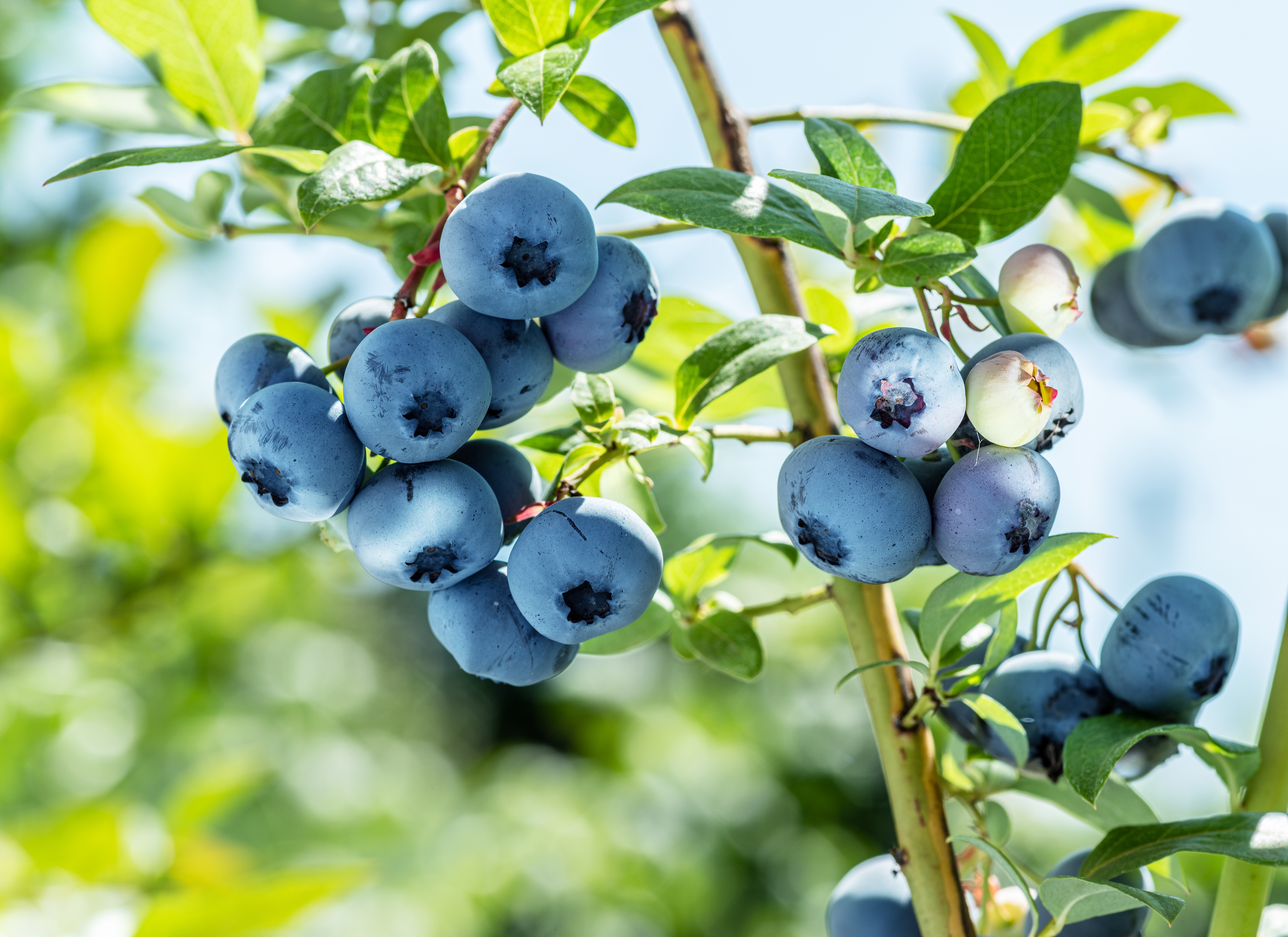
There is a moment every blueberry grower looks forward to: walking into the backyard, spotting a cluster of berries that finally turned deep blue, and picking one before breakfast. Maybe a few make it into pancakes. Maybe the kids eat the entire first harvest while you are still looking for a bowl. Either way, there is something satisfying about growing fruit that tastes like summer right outside your own door.
At Ty Ty Nursery, we hear a question from gardeners across the country: “Can I grow blueberry plants in my USDA zone?” The answer is yes in many places, but choosing the right plant is only the beginning. A blueberry variety that is wonderful in South Georgia may be a poor match for a Wisconsin winter. A bush that survives in warm weather may still produce very few berries if it does not receive enough winter chilling. And even the best variety can sit in the ground for years looking yellow and unhappy if the soil is not acidic enough.
We have been helping gardeners choose plants since 1978, and we believe a little planning at the beginning saves a great deal of frustration later. In this guide, we will compare the best blueberry varieties by growing zone, explain chill hours and pollination, talk about when to plant blueberry bushes, and walk through soil preparation, watering, pruning, and first-year care. When you are ready to make your choices, visit our blueberry plants for sale at Ty Ty Nursery.
USDA Hardiness Zones: What They Tell You About Growing Blueberries
The USDA Plant Hardiness Zone Map is based on average annual extreme minimum winter temperatures. It tells you how cold a location tends to become during its coldest weather, which helps determine whether a particular blueberry bush is likely to survive winter outdoors. You can check your zone on the official USDA map.
But the zone number does not tell you everything. Blueberries also respond to the amount of winter chill they receive, how early their flowers open, whether summer temperatures become extreme, and how wet the soil stays. A Zone 8 yard in Georgia and a Zone 8 yard in a dry part of Texas can present very different conditions. Even two neighborhoods in the same city may experience different spring frosts.
One more detail often gets overlooked: different types of blueberries belong in different climates. That is why it pays to know whether you are buying rabbiteye, northern highbush, southern highbush, or a specialty hybrid rather than picking the first bush that promises enormous fruit.
Rabbiteye vs. Northern Highbush vs. Southern Highbush Blueberries
Rabbiteye Blueberries for the South
Rabbiteye blueberries are especially important to gardeners in the Southeast. Native to the region, these vigorous shrubs tolerate southern heat better than many northern highbush varieties and can become substantial landscape plants. Much of our blueberry bush collection features rabbiteye selections, including Climax, Brightwell, Alapaha, Tifblue, Vernon, and Titan. They usually perform best when you plant two or more compatible varieties for cross-pollination.
Northern Highbush Blueberries for Cold Winters
Northern highbush blueberries are generally more appropriate for many colder states, including parts of Michigan, Maine, New York, and the upper Midwest. They typically require more winter chilling and can be better suited to long, cold dormant seasons. They are not interchangeable with southern rabbiteyes simply because both produce blue fruit. Gardeners in the coldest areas should look for a cultivar with documented cold hardiness and local growing success, even if that means selecting a variety outside our current lineup.
Southern Highbush and Specialty Blueberries
Southern highbush blueberries have been bred for milder winters, and some can fruit very early. They may demand more careful soil, drainage, and freeze management than rabbiteyes. Our Pink Lemonade blueberry is a specialty hybrid grown for its striking pink fruit and ornamental color. Its cold-zone rating extends farther north than most of our rabbiteye selections, but a broad zone rating never replaces research into how a plant performs locally.
How Many Chill Hours Do Blueberry Plants Need?
Blueberries are deciduous shrubs that enter winter dormancy. Many varieties need a period of cool temperatures before their flower and leaf buds develop normally in spring. Gardeners refer to this requirement as blueberry chill hours. A frequently used estimate counts hours below about 45 degrees Fahrenheit, although several scientific models measure chilling differently. Nursery estimates are helpful comparisons, not exact promises that a bush will fruit after one specific number of hours.
Too little chill can cause uneven leaf emergence, weak flowering, and disappointing fruit set. There is another problem at the opposite end: a low-chill variety in a place with frequent winter warm spells may flower too early and lose its blossoms to a late freeze. You want the right combination of winter chill, appropriate bloom timing, and a suitable summer—not just a plant that remains alive.
Ty Ty Nursery Blueberry Zone and Chill-Hour Comparison
| Blueberry Variety | Listed USDA Zones | Approximate Chill Hours | General Harvest Window |
|---|---|---|---|
| Alapaha | 6–10 | 450–500 | Early |
| Austin | 6–10 | 450–550 | Early |
| Big Ass Blueberry™ | 6–9 | 500–600 | Midseason |
| Brightwell | 6–10 | 350–400 | Midseason |
| Briteblue | 7–9 | 400–500 | Mid to late |
| Climax | 7–9 | 400–450 | Early |
| Delite | 7–9 | 400–500 | Late |
| Ochlockonee | 7–10 | 500–600 | Late |
| Pink Lemonade | 4–9 | 300–500 | Mid to late |
| Powderblue | 7–9 | 500–600 | Late |
| Premier | 7–9 | 500–550 | Early |
| Tifblue | 7–9 | 550–600 | Mid to late |
| Titan | 6–9 | 500–600 | Early to midseason |
| Vernon | 6–9 | 450–500 | Early |
These are approximate ranges from the individual Ty Ty Nursery product descriptions, not standardized laboratory measurements. Chill-hour estimates can differ among sources, and harvest dates vary by state and year. Always check regional Extension recommendations as well as the plant’s published hardiness range.
Can I Grow Blueberry Plants in USDA Zone 3?
Yes, certain cold-hardy blueberry species and cultivars can be grown in Zone 3, but none of the 14 varieties currently listed on our main blueberry category page is rated that far north. Cold-region gardeners should research exceptionally hardy northern highbush, half-high, or lowbush selections appropriate to their area. Winter survival, snow cover, soil acidity, and protection from desiccating winds are all important. A variety rated for Zone 4 is not automatically reliable in Zone 3, even if you put extra mulch around it.
If you live in northern Minnesota or another severe-winter area, a state university’s trial recommendations are worth consulting before you plant. A blueberry patch is a long-term project, so it makes sense to begin with bushes that can handle your winter rather than gamble on a warmer-climate cultivar.
USDA Zone 4: Start With a Cold-Tolerant Blueberry
Our Pink Lemonade Blueberry is the one current selection listed as hardy to Zone 4. It produces an unusual pink berry and offers spring flowers and colorful fall foliage as a bonus. That makes it an interesting specialty option, but its local winter performance, bloom timing, and pollination should still be checked before planting in a particularly exposed northern site.
For gardeners who mainly want large quantities of traditional blue berries in very cold areas, locally recommended northern highbush or half-high cultivars may be more dependable. Plant in spring after the ground is workable, protect the roots from drying, and make soil testing your first step. Blueberries need acid soil in Maine just as much as they do in Georgia.
USDA Zone 5: A Transition Toward More Blueberry Options
Zone 5 offers many excellent opportunities for home blueberry production, especially with northern highbush varieties developed for colder climates. Within our current online collection, Pink Lemonade is listed for Zone 5. Most of our traditional rabbiteye varieties begin at Zone 6 or 7, and we would not recommend treating them as proven Zone 5 plants just because they grow well farther south.
In places such as Ohio, Pennsylvania, and the lower Great Lakes region, investigate soil acidity and spring frost history before deciding. Blueberry roots are relatively shallow and may suffer where soil dries out during summer or remains waterlogged after spring thaw. A sunny site, organic mulch, and suitable local varieties will often give you better results than choosing strictly for berry size.
USDA Zone 6: A Wider Choice, With Local Climate Still Important
Zone 6 is where our rabbiteye-heavy lineup begins to open up. Alapaha, Austin, Big Ass Blueberry, Brightwell, Titan, and Vernon are listed for Zone 6, along with Pink Lemonade. In a milder Zone 6 location, these can be interesting candidates. In a colder or windier Zone 6 garden, winter injury and fruit-bud hardiness may make a locally adapted highbush blueberry the safer bet.
For early fruit, compare Alapaha with Vernon or Austin. If you enjoy large berries, Titan is worth exploring, provided bloom-time pollination can be arranged. Brightwell offers another attractive rabbiteye option with a relatively moderate chill estimate. Think of the zone listing as a shortlist, then make the final decision using local trial results.
Planting window: Dormant-season planting when the soil is workable, commonly late winter or spring in colder portions of the zone. Do not plant into frozen or saturated ground.
USDA Zone 7: A Great Place to Plan a Rabbiteye Blueberry Patch
All 14 blueberry selections in Ty Ty Nursery’s current category include Zone 7 in their published range. That gives gardeners a wonderful selection of early, midseason, and later-ripening fruit. In much of the Southeast, rabbiteyes are particularly well suited to the climate. The key is to choose two or more compatible varieties instead of assuming one bush will provide the biggest possible crop.
For an early harvest, you might investigate Climax with Premier or Austin. For a middle-to-late season planting, Brightwell, Tifblue, Powderblue, and Ochlockonee offer more possibilities. In locations prone to late spring frost, remember that some early-blooming varieties can lose fruit buds even when the bushes remain perfectly healthy. Different cultivars flower at different times, and early fruit maturity does not always mean early bloom.
Planting window: Usually the cooler dormant season, often winter into early spring. Prepare the acidic planting bed ahead of time, especially if your native soil is not already suitable.
USDA Zone 8: Some of the Best Conditions for Southern Blueberries
Here in South Georgia, rabbiteye blueberries are familiar sights in gardens and farms. Zone 8 often offers a strong combination of enough winter chill, warm summers, and a long growing season for well-adapted varieties. You can consider every current Ty Ty selection on its published zone listing, while narrowing the choice based on chilling, pollination, and exactly where you live.
One useful early-season pairing is Alapaha and Vernon. UGA recommends these as compatible rabbiteye partners, and their bloom timing makes them a practical pair to investigate. For gardeners who want a longer season, an additional midseason Brightwell or a later Powderblue, Tifblue, or Ochlockonee can bring more variety to the berry patch.
Watch the soil as carefully as the cultivar. Southern sandy soils may drain beautifully but dry quickly, while clay soils can hold too much moisture. Blueberries want steady moisture and oxygen around their fine roots. Mulch generously, keep grass away from the bushes, and water according to weather rather than blindly following the calendar.
Planting window: Winter or early spring while plants are dormant and the ground is suitable. Early establishment before summer heat helps newly shipped bare-root plants.
USDA Zone 9: Low-Chill Blueberries and Hot-Weather Challenges
Zone 9 has real blueberry-growing possibilities, but winter chill may be limited and summer heat can be punishing. Many of our listed selections include Zone 9; that does not mean every Zone 9 backyard provides the same conditions. A few cold nights inland may make a major difference compared with a sheltered coastal garden where winter rarely cools down.
Start by studying your actual chill accumulation. Brightwell is listed at approximately 350–400 hours, while Climax and Pink Lemonade have relatively modest published ranges as well. Those numbers still need to be met for reliable development. If your garden receives too little winter cooling, southern highbush varieties specifically tested for low-chill locations may be worth researching beyond the current collection.
In very hot locations, maintain consistent moisture, protect shallow roots with mulch, and make sure drainage remains good. Some afternoon protection may help reduce exceptional heat stress, but full sun is generally important for productive blueberry crops. A local Extension recommendation can help balance those needs.
USDA Zone 10: Is Growing Blueberries Possible?
Ty Ty Nursery currently lists Alapaha, Austin, Brightwell, and Ochlockonee through Zone 10. However, a published hardiness range does not guarantee a good fruit crop in every Zone 10 location. Many gardens in this zone simply do not accumulate enough winter chill for those particular varieties. Others have high-pH soils or water that make blueberry growing difficult.
If you are gardening in a warm Zone 10 area, check local blueberry trials and actual winter chill records before ordering. A specifically adapted low-chill highbush cultivar outside this selection may be more appropriate. You can still enjoy blueberries as a container project in the right circumstances, but container growing will not create the missing winter chill or eliminate problems with extreme heat.
What About USDA Zone 11?
None of the 14 blueberry bushes currently listed in our collection is recommended for Zone 11. Tropical warmth and limited winter chilling can prevent reliable flowering and fruit production, even if a plant remains green. Rather than promise that a traditional rabbiteye will thrive, we encourage gardeners in those conditions to look for plants with a documented track record in their local climate.
Meet the 14 Blueberry Varieties at Ty Ty Nursery
Alapaha: An Early Southern Favorite
Alapaha Blueberry is a University of Georgia rabbiteye selection valued for flavorful, firm fruit and dependable vigor. Listed for Zones 6–10, it offers an early harvest and works particularly well in a planting plan with another compatible early bloomer. Vernon is a recommended pollination companion. We like Alapaha for gardeners who want their blueberry season to start with a strong, traditional blue berry.
Austin: Firm Berries and Early Picking
Austin Blueberry is a vigorous rabbiteye with medium-to-large fruit that is enjoyable fresh or baked into muffins. Our listing gives it Zones 6–10. It belongs on the early-season shortlist, with Climax and Premier among the pollination partners worth considering. A well-planned pairing can improve fruit set while bringing more than one flavor to the garden.
Big Ass Blueberry™: For Gardeners Who Want Larger Fruit
The Big Ass Blueberry™ Plant is offered for gardeners drawn to jumbo berries. It is listed for Zones 6–9 with an approximate 500–600-hour chilling range and is described as a midseason selection. Fruit size is exciting, but remember that watering, pollination, maturity, and site conditions influence how large berries become. Give it a compatible rabbiteye companion, adequate space, and strongly acidic soil.
Brightwell: A Versatile Backyard Rabbiteye
Brightwell Blueberry is one of the names southern growers frequently recognize. It offers a moderate chill requirement, vigorous growth, and a midseason harvest of flavorful berries. Listed for Zones 6–10, Brightwell can be an appealing component of a mixed rabbiteye planting. It is also useful for homeowners who want attractive foliage and summer fruit from the same shrub.
Briteblue: A Distinctive Mid-to-Late Choice
Briteblue Blueberry is listed for Zones 7–9 and produces appealing berries with a balanced sweet-tart taste. Its mid-to-late harvest makes it interesting alongside earlier selections. Like other rabbiteyes, it benefits from a compatible pollen source with overlapping bloom. Make sure there is enough room for mature growth; a blueberry bush can spread much farther than the small plant you unpack from its shipping box.
Climax: A Classic Early-Ripening Variety
Climax Blueberry has been a favorite in southern gardens for years. Listed for Zones 7–9, it produces firm, sweet berries and is useful when you want to pick earlier in the season. One caution: Climax can bloom early and may suffer flower damage from late freezes. Austin and Premier are commonly suggested as pollination partners, where their bloom periods overlap locally.
Delite: Help Extend the Berry Harvest
The Delite Blueberry is a later-ripening rabbiteye listed for Zones 7–9. If you already have early plants, adding a later selection can help stretch the period when fresh blueberries reach your kitchen. Its berries are useful for everyday snacking, desserts, and preserves. Check bloom compatibility rather than simply assuming two varieties that ripen at different times will automatically pollinate one another.
Ochlockonee: Late-Season Fruit From Georgia Breeding
Ochlockonee Blueberry was developed at the University of Georgia and is valued for firm, tasty berries later in the season. Our listing recommends Zones 7–10. Powderblue and Tifblue are good companion varieties to consider because they can provide useful overlapping bloom. If you want homegrown berries after your early plants have finished, Ochlockonee is worth exploring.
Pink Lemonade: Blueberries That Ripen Pink
Pink Lemonade Blueberry is the conversation starter in the patch. Its fruit ripens to a distinctive rosy-pink color rather than the familiar dark blue, and it offers ornamental spring flowers and attractive fall foliage. Listed for Zones 4–9, Pink Lemonade can produce some fruit on its own but generally benefits from suitable cross-pollination. Do not pick the berries while they are still pale and immature; wait for their characteristic ripe color and flavor.
Powderblue: Pale Blue Fruit for a Later Harvest
Powderblue Blueberry takes its name from the soft powdery bloom on ripe fruit. Listed for Zones 7–9, it is a later-ripening rabbiteye often considered with Tifblue or Ochlockonee for pollination. The fruit can be delicious fresh, and it is particularly useful when you want to fill freezer bags after early varieties have finished.
Premier: Sweet Early Berries With Familiar Southern Appeal
Premier Blueberry is listed for Zones 7–9 and is known for its large, flavorful early berries. For many Georgia gardeners, Premier and Climax are familiar names. Pairing cultivars that flower together can improve the yield and quality of the harvest, so it pays to look at the bloom schedule as well as the ripening date.
Tifblue: A Time-Tested Georgia Rabbiteye
Tifblue Blueberry is a classic rabbiteye selection that has been grown in southern landscapes for decades. Listed for Zones 7–9, it grows vigorously and can produce satisfying clusters of blue berries in a suitable site. Powderblue or Ochlockonee are useful potential pollination partners. A mature Tifblue can be a substantial shrub, so allow room for harvesting and annual pruning.
Titan: An Extra-Large Blueberry Worth Planning For
Titan Blueberry was developed by the University of Georgia and is especially well known for large fruit. Its listing covers Zones 6–9. Titan is not a reason to neglect the basics: consistently acidic soil, even watering, and compatible pollination all affect fruit development. Early rabbiteye partners such as Vernon or Alapaha are worth investigating, depending on local bloom overlap.
Vernon: Large, Early Fruit With Useful Bloom Timing
Vernon Blueberry is another UGA selection, listed for Zones 6–9. It can ripen early while flowering later than some other early harvest varieties, an appealing characteristic in regions with spring freeze risk. Alapaha is a frequently recommended companion. If your family wants flavorful blueberries early in the season, this combination makes an excellent place to begin your research.
Do I Need Two Blueberry Bushes for Pollination?
We hear this one almost every week. For rabbiteye blueberries, planting at least two different compatible varieties is strongly recommended. Many rabbiteyes may set some fruit with their own pollen, but cross-pollination can make a major difference to berry size, fruit set, and the total harvest. Bees and other pollinating insects move pollen from one bush to another while flowers are open.
Two bushes of the same named variety do not offer the genetic diversity of two different compatible cultivars. Likewise, choosing two varieties that never bloom together is not an effective plan. A useful starting point is Alapaha with Vernon for early rabbiteyes; Austin with Climax or Premier in suitable locations; or a late grouping such as Powderblue, Tifblue, and Ochlockonee. Research your local bloom dates, especially where spring frost is common.
Pink Lemonade is more self-fertile than many traditional rabbiteyes, but adding a suitable flowering companion can still help. Encourage bee activity by planting pollinator-friendly flowers nearby and avoid applying insecticides while blueberry blossoms are open.
The Most Important Blueberry Growing Secret: Acidic Soil
If we could give a new grower one piece of advice before they buy blueberry bushes online, it would be this: test your soil pH before planting. Blueberries are acid-loving plants. A target near pH 4.5–5.5 works for many gardens, with University of Georgia rabbiteye guidance favoring about 4.5–5.2. A blueberry in soil with a pH of 6.5 or 7 may struggle to take up nutrients, even when the soil contains enough fertilizer.
Yellow foliage with darker green veins is often a clue that nutrient uptake is being blocked by unsuitable soil pH. Adding more fertilizer without checking acidity can make matters worse. Get a soil test, then use the recommended amount of elemental sulfur when acidification is needed. Sulfur takes time to work, sometimes months, so preparing the bed ahead of planting is much better than trying to correct a problem after the roots are established.
What Should I Mix Into Blueberry Soil?
Composted pine bark, appropriately used peat moss, and other acidic organic components can help create an airy, moisture-retentive root zone. They do not replace a pH test, and a small pocket of amended soil surrounded by alkaline clay is not a permanent solution. Prepare a wide planting area or raised bed when necessary, so new roots can spread into suitable soil rather than hitting a wall of unsuitable ground.
Also consider your irrigation water. Highly alkaline water can gradually drive soil pH upward, even when the bed was prepared correctly. Recheck pH periodically and make adjustments based on testing. Ordinary pine straw mulch is useful for moisture and weed control, but it will not instantly turn an alkaline lawn into an ideal blueberry bed.
When Is the Best Time to Plant Blueberry Bushes?
For most locations, the dormant season—late winter through early spring—is an excellent time to plant blueberries. In mild southern climates, winter planting can give roots more time to establish before hot weather. In colder regions, wait until the soil is thawed and workable. Newly delivered bare-root blueberries should not be left exposed to drying wind or piled in a warm garage while you figure out where to plant them.
Plan for your actual local weather, not just the month printed on a calendar. In a Georgia garden, a suitable winter day may be perfect for planting, while the same date in the Upper Midwest could find the ground frozen solid. Ty Ty Nursery’s projected shipping dates reflect seasonal availability and can change with dormancy and weather.
How to Plant Bare-Root Blueberry Plants: Step by Step
- Choose a sunny location. Aim for six to eight hours of direct sunlight. A site with morning sun and good airflow helps dry leaves after rain and supports sweet berries.
- Test pH and drainage first. Prepare soil near the required acidic range, preferably months ahead of planting if substantial changes are necessary. Avoid places that remain soggy after storms.
- Plan mature spacing. Many rabbiteyes need about five to six feet between plants and substantial walking space between rows. Smaller highbush or specialty cultivars may fit closer; check their mature size.
- Unpack promptly. Protect bare roots from sun and wind, keep them moist, and follow the instructions included with the shipment. Never allow exposed roots to dry out.
- Dig wide rather than too deep. Spread the roots naturally. Set the plant near its previous growing depth; do not bury the crown under a deep mound of soil.
- Backfill with prepared, compatible soil. Settle soil gently around roots. Avoid placing strong fertilizer directly against a new bare-root plant.
- Water thoroughly. Use a slow soak to settle soil and hydrate the root zone. Continue checking moisture as the plant establishes.
- Mulch the root area. Apply roughly two to four inches of pine bark or pine straw mulch, keeping it away from the crown. Remove grass and weeds that compete for moisture.
If your soil is naturally very wet, raised beds can be a smart choice. Blueberries need consistent moisture, but they also need oxygen around their fine roots. Poor drainage can ruin an otherwise promising planting.
First-Year Blueberry Plant Care: Give the Roots a Head Start
Water Deeply and Check Frequently
New blueberry plants have shallow root systems and can dry out faster than gardeners expect. Check the moisture several inches into the soil, especially during sunny or windy weather. A slow watering that moistens the root area is better than a quick splash over the leaves. The frequency depends on rain, soil texture, mulch depth, and temperature. Avoid leaving roots in saturated ground.
Remove Early Flower Buds When Establishment Matters More
As much as you want that first handful of blueberries, removing flowers or fruit during the establishment period can help a small plant devote energy to roots and new branches. University of Georgia recommends pruning and flower-bud removal when planting. It is a temporary sacrifice that can lead to a stronger, more productive bush later.
Use Fertilizer Carefully
Blueberries are sensitive to excessive fertilizer salts. Do not pile fertilizer against the crown or apply heavy doses immediately to bare roots. Once the plant is actively growing, use a product and rate suited to acid-loving blueberries, guided by soil testing and local recommendations. Avoid assuming that a struggling yellow plant simply needs more nitrogen when soil pH may be the real issue.
When and How Should You Prune Blueberry Bushes?
Blueberries do not need to become wild, tangled shrubs to produce well. During the first seasons, focus on removing weak, damaged, and low-growing shoots and building a few strong main stems. On mature bushes, prune during the dormant season to improve sunlight, airflow, and fruiting wood renewal. Older canes can be gradually removed at their base to make room for vigorous new growth.
Do not indiscriminately shear every branch into a round ball. That can remove productive wood and crowd the canopy with short shoots. Your goal is an open shrub with a good balance of young and mature canes. Spring frost injury, age, and the vigor of the plant all influence how much pruning is appropriate.
Common Blueberry Problems: Yellow Leaves, No Fruit, and Dying Branches
Yellow Leaves With Green Veins
When new blueberry leaves turn yellow while the veins remain green, check the soil pH and drainage before reaching for more fertilizer. Iron deficiency symptoms can result from alkaline conditions that prevent nutrient uptake. Correcting the growing environment is usually more useful than applying repeated quick fixes.
Beautiful Flowers but Few Berries
Start with the pollination plan. Rabbiteye blueberries need compatible cultivars and active insects for the strongest crops. Cold rain or a late freeze during flowering can reduce fruit set. Also check whether the plant received sufficient winter chill and whether the bush is mature enough to carry a meaningful crop.
Berries Splitting, Shriveling, or Rotting
Uneven watering, heavy rain near harvest, insect injury, and fungal diseases can damage ripening fruit. Improve airflow, harvest regularly, and remove fruit that is badly damaged. In areas with spotted-wing drosophila, follow your local Extension service’s monitoring and management guidance. Avoid spraying without a diagnosis.
Birds Finding the Blueberries First
Birds have an uncanny ability to find berries just before you do. Properly secured bird netting may protect an established planting, but inspect it regularly to prevent wildlife from becoming entangled. A well-managed, healthy patch is also easier to cover and harvest than an overgrown thicket.
When Will My Blueberry Plants Start Producing?
A newly planted bush may need a couple of growing seasons before it produces a modest harvest, and larger crops generally follow as the roots and framework mature. Weather, pollination, pruning, and variety all influence the timing. Do not expect the full mature yield in the first year simply because the plant looked tall in its product photograph.
Harvest when berries have developed their full ripe color and release easily from the cluster. Blueberries often continue to sweeten after first turning blue while still on the plant, so waiting several days can improve flavor. Pick frequently, handle the berries gently, and refrigerate the harvest promptly. They are wonderful in muffins, smoothies, pancakes, pies, jam, and the simplest recipe of all: a handful eaten in the garden.
Frequently Asked Questions About Blueberry Plants by USDA Zone
What is the best blueberry plant for Georgia?
Rabbiteye varieties are often an excellent choice for Georgia home gardens. Alapaha and Vernon are a strong pairing to investigate; Climax, Premier, Brightwell, Tifblue, Powderblue, and Ochlockonee offer other harvest options. North Georgia mountains may also support northern highbush selections. Your local chill hours and frost history determine the best choice.
What are the best blueberries for Florida?
That depends greatly on whether you live in northern, central, or southern Florida. Lower-chill cultivars specifically tested for Florida are often better than higher-chill northern selections. Some Ty Ty rabbiteyes are listed into Zones 9 or 10, but check real winter chilling before assuming they will fruit reliably.
Can I grow only one blueberry bush?
Some blueberries, particularly certain highbush or specialty selections, can set fruit on their own. Rabbiteyes generally produce better when a different compatible rabbiteye variety is nearby. When space allows, two or three matching varieties are usually a smarter planting plan than a lone shrub.
What pH do blueberries need?
Most garden blueberries favor soil around pH 4.5–5.5, with rabbiteye recommendations frequently targeting 4.5–5.2. A soil test provides the information needed to make adjustments safely and effectively. Ordinary vegetable-garden soil may be too alkaline.
Can I grow blueberries in containers?
Yes, with a suitably sized container, an acidic potting medium, drainage holes, and careful watering. Containers can be particularly useful when native ground is alkaline. The pot needs winter root protection in cold regions and extra water monitoring in hot regions; mature rabbiteye bushes can outgrow small patio containers.
How much sun do blueberry bushes need?
Six to eight hours of direct sun generally supports the best harvests. They may survive with less, but berry production is often reduced. In exceptionally hot regions, a little afternoon protection may be useful if local guidance recommends it.
Why are my blueberry bushes healthy but not producing fruit?
Check maturity, winter chill, spring frost, compatible pollination, soil pH, and pruning. A bush can look green and vigorous while one of those factors limits fruit development. More fertilizer is not always the answer.
Where Is the Best Place to Buy Blueberry Plants Online? Ty Ty Nursery
Choosing a blueberry variety is exciting. Finding a nursery you can order from confidently should be the easy part. At Ty Ty Nursery, we want you to find plants suited to your climate, understand your shipping window, and have someone to call when you have questions. Here are nine reasons customers explore our blueberry plants for sale online.
1. Prices Advertised Up to 68% Lower Than Other Nurseries
We advertise prices up to 68% lower on qualifying comparisons with selected competing nurseries. Actual savings depend on the plant, size, current sale, and comparable offer; that maximum saving does not apply to every blueberry variety or every order. We encourage customers to compare plant sizes and the final delivered price rather than judge by a headline alone.
2. Fast In-Season Shipping: Plant in Days the Ty Ty Way
When a plant is in season and ready to ship, we work to get it moving quickly. We call it Plant in Days the Ty Ty Way. Current-season orders are generally scheduled for prompt fulfillment, rather than making customers automatically wait weeks or months. Actual shipping depends on inventory, plant dormancy, weather, and the destination; preorder shipments follow their published schedule. Quick shipping should still respect the correct planting season.
3. A Free One-Year Plantsurance Guarantee
Eligible plants include our free one-year Plantsurance protection. If a qualifying blueberry plant fails within 365 days of receipt, an approved claim provides store credit for the eligible amount actually paid for that plant, excluding shipping and taxes. Documentation, recommended-zone requirements, and other policy terms apply. Orders purchased entirely using previous Plantsurance credit do not qualify for another claim. Comparable protection may cost extra elsewhere; ours is included on eligible plants.
4. A Lifetime True-to-Name Guarantee
It may take a few seasons before a blueberry bush produces enough fruit to demonstrate whether it matches the variety you ordered. Our Lifetime True-to-Name Guarantee addresses verified varietal misidentification. Subject to the published terms and evidence, a customer may elect a refund, replacement, or store credit up to the original plant purchase price. It protects the identity of the variety rather than guaranteeing a particular harvest or survival outcome.
5. Blueberry Plants Delivered Right to Your Door
Skip the process of driving from nursery to nursery, loading heavy containers, and cleaning spilled soil out of the car. We ship eligible plant orders directly to your door, including many dormant bushes shipped with their roots carefully protected for efficient transport. You can spend more time preparing the planting bed and less time trying to fit plants into a crowded vehicle.
6. Helping Gardeners Since 1978
Ty Ty Nursery has served gardeners from our South Georgia roots since 1978. We have seen how different a northern winter can be from a Georgia winter, and how much proper soil preparation matters to a blueberry planting. That experience helps shape the conversations we have with customers planning a single edible landscape shrub or a longer berry row.
7. Google Top Quality Store With a 4.5 Rating
Ty Ty Nursery has earned a Google Top Quality Store designation and currently displays a 4.5 store rating. Reviews and independent shopping information can help you compare sellers, and we encourage customers to look at the latest details.
8. An A Rating With the Better Business Bureau
Our Better Business Bureau business profile currently displays an A rating. The link takes you directly to the current profile so you can see the rating and make your own comparison.
9. Real Plant Experts Based in Ty Ty, Georgia
Wondering whether your yard has enough chill for Brightwell, whether you should pair Alapaha with Vernon, or why your blueberry leaves are turning yellow? You can speak with real nursery staff here in Ty Ty, Georgia. Our customer service is not outsourced to an overseas call center or limited to an AI-only chatbot. Call 888-758-2252 and tell us what you are growing. We are happy to help you think through the options.
Ready to Grow Your Own Blueberry Patch?
Growing blueberries successfully is not about discovering one magic variety. It starts with choosing the right plant for your USDA zone, ensuring adequate winter chill, preparing genuinely acidic soil, and planting compatible pollination partners. Get those foundations right, give the roots time to establish, and the harvest becomes something you can look forward to year after year.
Whether you want early Alapaha and Vernon, late Powderblue and Ochlockonee, jumbo Titan berries, or the unusual pink fruit of Pink Lemonade, our selection offers plenty to explore. Shop blueberry plants at Ty Ty Nursery and start planning the kind of backyard berry patch that makes summer taste even better.

Leave a Reply