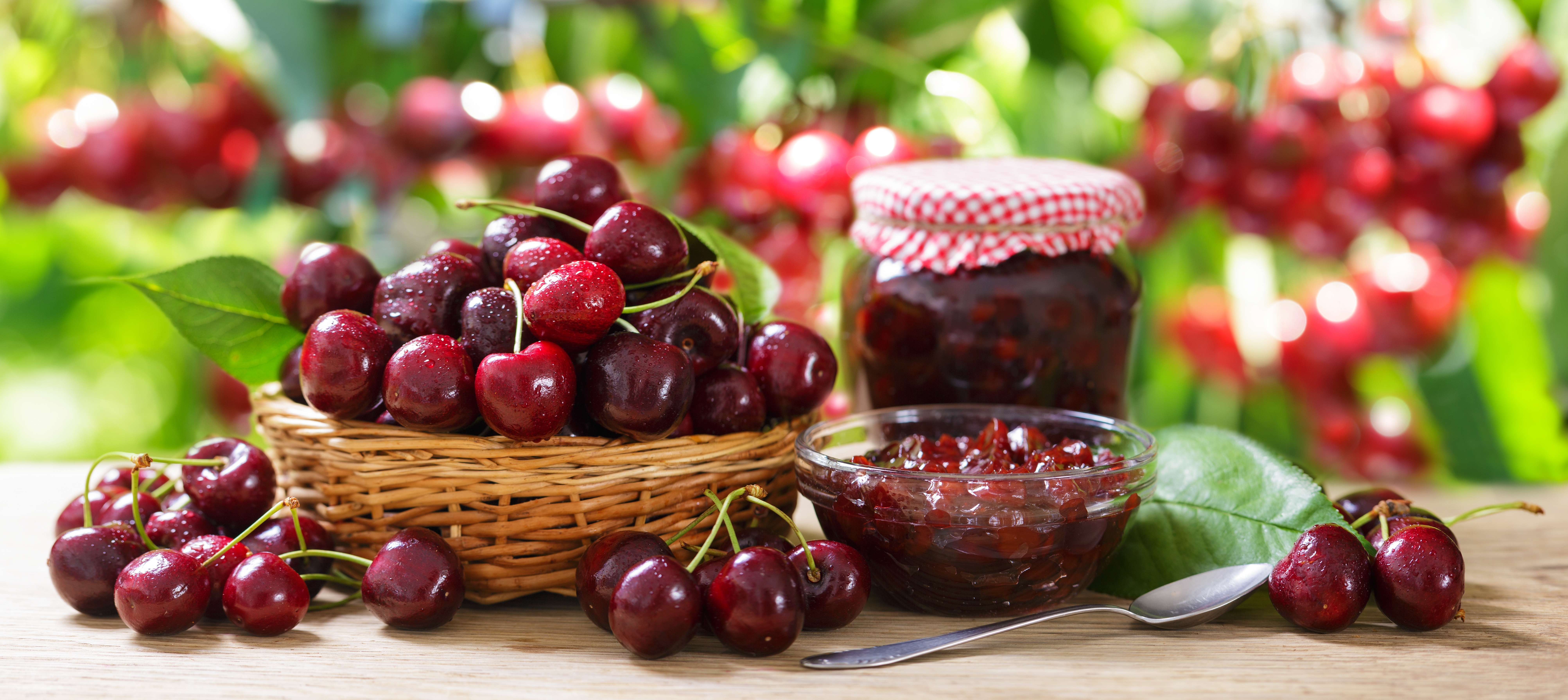
There is something wonderful about a cherry tree in spring. One week the branches look completely asleep, and before you know it they are covered in white blossoms. Then comes the real reward: walking outside in early summer, finding a ripe cherry, and tasting fruit that didn’t spend days riding across the country in a truck. Whether you love dark, sweet cherries for snacking or bright, tart cherries for a homemade pie, growing your own is a satisfying project when you choose the right tree.
Here at Ty Ty Nursery in South Georgia, we hear the same question from customers in almost every state: “Can I grow cherry trees in my USDA zone?” The answer is yes for many gardeners, but there is more to it than knowing your winter temperature. Some cherries need a long stretch of winter chill. Others were developed for milder winters. Some will set fruit with their own pollen, while others absolutely need a compatible cherry tree nearby. And even a tree that survives a hard winter can lose its flowers to one late spring frost.
We have been helping families choose fruit trees since 1978, and our advice is to get those details right before digging. In this guide, we will compare 13 cherry varieties, explain USDA Zones 3–9, discuss chill hours, self-pollinating cherries, pollination pairs, soil and sun requirements, and show you how to plant and care for bare-root trees. Once you have a shortlist, take a look at our cherry trees for sale online at Ty Ty Nursery and choose the variety that makes sense for your backyard.
What USDA Hardiness Zones Really Mean for Cherry Trees
The USDA Plant Hardiness Zone Map classifies locations by their average annual extreme minimum winter temperatures. That tells you something important about whether a cherry tree, including its rootstock, can withstand the coldest part of the year. But it does not say how many chilly winter hours your garden experiences, when the last spring frost will arrive, or whether your summer will be unusually hot and humid.
For cherries, that distinction matters. A sweet cherry that is hardy in Zone 7 may still struggle in a Zone 7 neighborhood with very mild winters or frequent spring rain. A Zone 5 tree may live perfectly well but bloom during an unpredictable warm spell, only to lose its flowers when freezing temperatures return. A good location has the right combination of winter hardiness, adequate chilling, frost avoidance, sunlight and drainage.
Sweet Cherries vs. Tart Cherries: Which Should You Plant?
Sweet cherries, generally Prunus avium, include varieties such as Bing, Rainier, Black Tartarian, Lapins and Stella. They are the kind most people imagine eating by the handful: plump, sweet and juicy. Many traditional sweet cherries need pollen from a different compatible variety to set fruit. Several modern sweet cherries are self-fertile, which makes a single-tree backyard planting more realistic.
Tart or sour cherries, generally Prunus cerasus, include Montmorency, Dwarf North Star and Sweet Cherry Pie. Their brighter, tangier flavor makes them especially useful for cobblers, pies, juice, preserves and sauces. Tart cherries are generally self-fertile, which is an advantage when space is limited. They also tend to be more adaptable to cold climates than many large-fruited sweet cherry varieties.
Neither group is automatically “better.” The best cherry tree is the one that meets your climate and matches what you want to harvest. A cook who dreams of filling the freezer with pie cherries may be happier with Montmorency than with Bing. A family that loves fresh summer fruit may want Lapins or a carefully pollinated Rainier. Learn the difference before choosing a tree from our sweet and tart cherry tree collection.
How Many Chill Hours Do Cherry Trees Need?
What Is a Cherry Tree Chill Hour?
Cherry trees are deciduous fruit trees that go dormant in winter. Many need a certain accumulation of cool weather before leaf and flower buds develop normally in spring. Gardeners call this their chill-hour requirement. One common estimate counts hours with temperatures near 32–45 degrees Fahrenheit. Other horticultural models use a more complicated calculation, so published chill numbers are estimates rather than precise promises.
When a tree receives too little chilling, buds may open unevenly, blooms may be weak or delayed, and fruit set may suffer. But there is another side of the story: a low-chill tree in a location with late spring freezes may bloom sooner and risk frost damage. Getting enough chill does not protect open flowers from freezing weather. Local orchard experience is just as important as a number printed on a nursery tag.
Cherry Tree Variety, USDA Zone, Chill Hour and Pollination Chart
| Cherry Variety | USDA Zones | Published Chill Estimate | Pollination |
|---|---|---|---|
| Bada Bing (sweet) | 5–8 | 700–900 hours | Needs compatible sweet cherry pollen |
| Bing (sweet) | 5–8 | 700–900 hours | Needs compatible sweet cherry pollen |
| Black Tartarian (sweet) | 5–8 | 700–900 hours | Needs compatible sweet cherry pollen |
| Dwarf North Star (tart) | 4–8 | 700–800 hours | Self-fertile |
| Early Ruby (sweet) | 5–8 | About 700 hours | Listed as self-fertile |
| Lapins (sweet) | 5–8 | 700–800 hours | Self-fertile |
| Minnie Royal (sweet) | 7–9 | About 250 hours | Pair with Royal Lee |
| Montmorency (tart) | 5–8 | 800–900 hours | Self-fertile |
| Rainier (sweet) | 4–7 | 700–900 hours | Needs compatible sweet cherry pollen |
| Royal Lee (sweet) | 6–9 | About 200 hours | Pair with Minnie Royal |
| Royal Rainier (sweet) | 6–9 | About 600 hours | Needs a compatible pollinator |
| Stella (sweet) | 5–8 | 400–600 hours | Self-fertile |
| Sweet Cherry Pie™ (tart) | 3–8 | 900–1,100 hours | Self-fertile |
These numbers and zone ranges reflect the current individual Ty Ty Nursery product listings. Chill estimates can vary by source and local measurement method. A listed zone means the tree may survive and grow under appropriate conditions, not that every garden in that zone can reliably harvest fruit. Pollination also depends on overlapping bloom and genetic compatibility.
We like to think of the chart as a starting shortlist. If you live where winters are long and cold, look closely at the higher-chill options. If you garden in an area with milder winters, investigate low-chill cherries and their pollen partners. Before buying, check your local chill records and browse the cherry tree varieties available at Ty Ty Nursery.
USDA Zone 3: Can Cherry Trees Survive Very Cold Winters?
Zone 3 is tough on fruit trees. Winters are long, minimum temperatures can be severe, and late spring freezes may catch trees just as buds begin to wake up. Of the 13 cherry cultivars currently listed in our category, Sweet Cherry Pie™ is the only one whose published range begins in Zone 3. This tart pie cherry has a high estimated chilling requirement and is listed as self-fertile, making it an option worth investigating where that cold-hardiness rating is supported by local experience.
For extremely cold parts of Minnesota, North Dakota, Wisconsin and other northern states, pay attention to more than the variety name. The rootstock, prevailing winter winds, snow cover and age of the tree all affect survival. Choose a sunny place out of the strongest drying winds, protect the trunk from rodents, and avoid planting in a low spot that stays wet when snow melts.
If you want large sweet cherries in Zone 3, be careful. The sweet cherry varieties in our current lineup are not listed for that level of cold. Research specialized hardy cherry cultivars tested in your region rather than taking a chance on a traditional Bing tree. Planting window: Spring, once the ground has thawed and is workable. Never try to force a bare-root tree into frozen soil.
USDA Zone 4: Tart Cherries and a Few Carefully Chosen Sweet Cherries
In Zone 4, the options expand to Sweet Cherry Pie™, Dwarf North Star and Rainier according to the current Ty Ty Nursery listings. For a small backyard, Dwarf North Star is particularly appealing: it produces tart red fruit, remains relatively compact and can set a crop on its own. Sweet Cherry Pie is another useful baking choice where local chilling and rootstock hardiness fit.
Rainier is a very different option. Its golden-yellow sweet cherries are prized for fresh eating, but Rainier needs a compatible sweet cherry pollinator. Because many potential partners in our catalog begin at Zone 5, you cannot assume a convenient pair will automatically be winter hardy in Zone 4. Confirm both trees’ hardiness and overlapping bloom with your regional Extension office before planning a two-tree planting.
In cold northern gardens, late spring frosts still matter. Plant where cold air can drain away instead of collecting at the bottom of a slope. Planting window: Spring during dormancy, when ground conditions allow the roots to spread into unfrozen, well-drained soil.
USDA Zone 5: A Great Place to Start a Home Cherry Orchard
Zone 5 is where cherry choices really begin to open up. Our listed candidates include Bada Bing, Bing, Black Tartarian, Dwarf North Star, Early Ruby, Lapins, Montmorency, Rainier, Stella and Sweet Cherry Pie. Some are sweet cherries best enjoyed fresh, while others are tart cherries that practically beg to be baked into a pie. The mix means you can choose based on both flavor and how much space you have.
If you have room for one tree, investigate self-fertile Lapins, Stella, Dwarf North Star, Montmorency or Sweet Cherry Pie. Early Ruby is also listed as self-pollinating. If you prefer the classic Bing or Rainier flavor, plan on planting an appropriate genetically compatible sweet cherry variety whose blossoms overlap.
Zone 5 still sees surprise freezes. One spring may be gentle, and the next may send temperatures below freezing after blossoms open. Avoid frost pockets and sites with cold, waterlogged soil. Planting window: Early spring when the soil is workable. Keep young trees mulched and watered while they establish, rather than expecting a mature harvest immediately.
USDA Zone 6: Sweet, Tart and Some Lower-Chill Cherry Options
Zone 6 supports many of the same traditional sweet and tart varieties as Zone 5. Bing, Black Tartarian, Lapins, Stella, Montmorency, Dwarf North Star and others can be considered where winter chilling and spring weather suit them. Royal Lee and Royal Rainier also enter their published growing range in Zone 6, giving gardeners more choices to investigate.
There is an important catch with Royal Lee. Although its own listing includes Zone 6, the usual pollination partner Minnie Royal is listed for Zones 7–9. A Zone 6 grower should not simply buy Royal Lee and assume fruit production is guaranteed. Ask for a proven, compatible low-chill pollen source that is also hardy in your exact location, or choose another self-fertile variety for a simpler plan.
For households that bake, Montmorency is a time-tested tart cherry to investigate. For fresh eating, Lapins can be easier than a Bing-only planting because Lapins sets fruit with its own pollen. Planting window: Late winter or spring while dormant, with timing based on actual soil and frost conditions.
USDA Zone 7: Where Traditional and Low-Chill Cherry Growing Meet
Zone 7 offers all 13 currently listed varieties somewhere within their published hardiness ranges. That sounds like a cherry lover’s dream, but it is also a zone where location matters enormously. A relatively cool, high-elevation garden may provide enough winter chill for Montmorency, Bing or Rainier. A warmer Zone 7 location may struggle to meet those higher chilling requirements and should pay closer attention to low-chill options.
Minnie Royal and Royal Lee make a particularly interesting pair in suitably mild-winter locations. Both are low-chill sweet cherries, and their bloom periods are intended to overlap for cross-pollination. If you have space for only one cherry, consider Stella, Lapins or an appropriate self-fertile tart cherry instead of choosing a pollination-dependent variety alone.
Here in the Southeast, we also pay attention to late frost, humid summers and disease pressure. University of Georgia Extension cautions that cherries are not consistently productive in the warmest parts of the South, even when a hardiness-zone rating seems promising. Planting window: Dormant-season planting in suitable winter or early spring conditions, with well-drained soil and irrigation ready for summer.
USDA Zone 8: Can Cherry Trees Grow in Southern Backyards?
Yes, in some Zone 8 settings, but cherry trees become more challenging as winters grow milder and summers become hotter and wetter. Several traditional varieties are listed through Zone 8, including Bing, Black Tartarian, Lapins, Stella, Montmorency and Dwarf North Star. But some will not receive enough chill in the warmest parts of the zone. Rainier’s published range ends at Zone 7, so do not count it as a standard Zone 8 recommendation from this collection.
When shopping for cherries in the South, we recommend looking hard at both chilling and pollination. Minnie Royal and Royal Lee were developed for mild-winter climates and are a sensible pair to research for sites with enough chill and favorable spring conditions. Their low published chill requirements make them different from traditional Bing or Montmorency, but low chill does not eliminate the threat of spring frost or bacterial disease.
If you live in humid South Georgia or the Gulf Coast, a cherry tree may be an experiment rather than a guaranteed annual fruit producer. Well-drained soil, sun and good canopy airflow are essential. Planting window: A suitable cool, dormant period, usually winter to early spring; establish roots before summer heat arrives.
USDA Zone 9: Low-Chill Cherry Trees for Mild Winters
The published Ty Ty Nursery options for Zone 9 are Minnie Royal, Royal Lee and Royal Rainier. Of these, Minnie Royal and Royal Lee are the clearest low-chill pair to investigate. Minnie Royal is listed around 250 chill hours and Royal Lee around 200. Neither is self-fertile, so plant them together where the site supplies enough chilling and their bloom overlaps.
Royal Rainier is also listed through Zone 9, but its published chill estimate is about 600 hours. That is a reminder that a USDA zone label and winter chill requirement are not the same thing. Many very mild Zone 9 properties will not accumulate enough chill for a 600-hour cherry even though the tree may tolerate their winter temperatures.
Choose a location with good drainage and strong air circulation, and pay attention to local disease issues. Dry inland Zone 9 climates can be quite different from hot, humid coastal Zone 9 climates. Your county Extension office and nearby successful growers are valuable sources for judging whether cherries can produce reliably in your particular neighborhood.
USDA Zones 10 and 11: Are Cherry Trees a Good Outdoor Choice?
None of the 13 cherry varieties currently featured in the Ty Ty Nursery category is listed for Zones 10 or 11. In many of these locations, winters are too mild to satisfy the varieties’ chilling needs, and extreme heat or humidity creates more challenges. A cherry might survive for a time without providing a dependable harvest, but that is very different from a productive backyard orchard.
Containers do not automatically solve insufficient winter chill. Even a potted cherry needs the right dormancy conditions, adequate root volume and suitable pollination if its cultivar requires a partner. In truly tropical climates, research a more appropriate fruit tree rather than investing years in a cherry cultivar outside its recommended range.
Meet the 13 Cherry Tree Varieties at Ty Ty Nursery
Bada Bing Cherry: Sweet, Dark Fruit for a Traditional Orchard
The Bada Bing Cherry Tree is listed for Zones 5–8 and approximately 700–900 chill hours. Its dark red sweet fruit is suited to fresh eating, desserts and preserves. This is not a self-fertile variety, so do not purchase a single Bada Bing expecting dependable production without another compatible cherry nearby. Select a pollen partner based on overlapping bloom and verified sweet-cherry compatibility; cherries can share flowering dates but still be genetically incompatible.
Bing Cherry: The Classic Sweet Cherry
For many customers, Bing Cherry is the name that first comes to mind. Its large, dark, sweet cherries are wonderful for fresh snacking. The nursery listing recommends Zones 5–8 and around 700–900 chill hours. Bing needs cross-pollination; Lapins and Black Tartarian are among the partners to investigate, assuming local blossom timing matches. If your yard has enough space for two sweet cherries, Bing can be a rewarding centerpiece of a home orchard.
Black Tartarian Cherry: Old-Fashioned, Dark and Juicy
Black Tartarian Cherry produces very dark sweet fruit with a rich, juicy flavor. It is listed for Zones 5–8 and 700–900 chill hours. A traditional variety worth considering for fresh eating, it is also used as a pollination partner for certain other sweet cherries. Black Tartarian itself is not self-fertile, so include a confirmed compatible partner. Its beauty in spring is a bonus, but remember that blossoms are not the same thing as a harvest.
Dwarf North Star Cherry: Tart Cherries for Smaller Spaces
If you love cherry pie but have only a small backyard, start with Dwarf North Star Cherry. The nursery lists this compact, self-fertile tart cherry for Zones 4–8 and 700–800 chill hours. Its dark red fruit works beautifully in preserves, baked desserts and sauces. Its smaller stature can make covering, pruning and harvesting more manageable. It is still important to plant it in full sun and keep the roots out of soggy soil; a dwarf tree is not immune to ordinary orchard problems.
Early Ruby Cherry: Get an Earlier Start
The Early Ruby Cherry Tree is listed for Zones 5–8 with an estimated 700 chill hours and is described as self-pollinating. It produces sweet, red fruit that may ripen earlier than many traditional varieties in the same climate. Exact harvest dates depend on your location, so avoid assuming a date printed for another state applies to yours. Early Ruby is worth investigating when you want an early fresh-eating cherry without necessarily planting a second tree for pollen.
Lapins Cherry: Self-Fertile Sweet Fruit
Among customers who want sweet cherries but only have room for one, Lapins Cherry deserves a closer look. This variety is self-fertile, with large, juicy, dark cherries, and its published range is Zones 5–8 with 700–800 chill hours. It can be a useful pollen source for certain self-incompatible sweet cherries as well. Lapins still needs sunlight, water, pruning and suitable chilling; self-fertile means the flowers do not require pollen from a different tree, not that the tree is guaranteed to set fruit in every spring.
Minnie Royal Cherry: Sweet Cherries for Milder Winters
Minnie Royal Cherry is one of the most interesting choices for gardeners who live where traditional high-chill cherries struggle. Listed for Zones 7–9 and about 250 chill hours, Minnie Royal produces sweet red fruit relatively early. Its crucial requirement is cross-pollination. Pair Minnie Royal with Royal Lee where both are locally adapted. A single Minnie Royal may make plenty of leaves and blossoms without producing the expected harvest.
Montmorency Cherry: The Cherry Pie Favorite
If you picture homemade pies, cobblers and cherry preserves, the Montmorency Cherry Tree belongs near the top of your list. This classic self-fertile tart cherry is listed for Zones 5–8 and around 800–900 chill hours. The flavor is brighter and more acidic than a sweet Bing cherry, which is exactly why it tastes so good in desserts. A single Montmorency tree can produce fruit when climate and bloom conditions cooperate, making it a practical choice for gardeners who do not want a two-tree pollination project.
Rainier Cherry: Golden-Yellow Sweet Cherries
Rainier Cherry is easy to recognize by its pale golden fruit with a rosy blush. It is sweet, juicy and especially appealing for fresh eating. The published range is Zones 4–7 with 700–900 chill hours. Rainier is not self-fertile; Bing or Lapins are among the pollinators to investigate where those trees share an appropriate climate and blossom period. Because Rainier’s zone range begins colder than many of its potential partners, confirming the whole pair is particularly important in Zone 4.
Royal Lee Cherry: A Low-Chill Partner for Minnie Royal
The Royal Lee Cherry Tree offers rich red sweet cherries and a low published chill estimate of roughly 200 hours. It is listed for Zones 6–9. Its best-known companion is Minnie Royal, which provides the compatible pollen needed for reliable fruiting. Keep the Zone 6 caveat in mind: Minnie Royal is listed for Zones 7–9, so local cold hardiness needs to be verified before planning a Royal Lee orchard at the northern edge of its range.
Royal Rainier Cherry: A Colorful Sweet Cherry With a Pollination Need
Royal Rainier Cherry produces attractive golden fruit with reddish blush and a sweet flavor. It is listed for Zones 6–9 with a published 600-hour chilling estimate. Unlike Stella or Lapins, Royal Rainier requires another compatible sweet cherry for fruit production. Check bloom compatibility and chilling carefully, especially in Zone 9. The Royal Rainier label should not be confused with the classic Rainier’s different published zone range and chill estimate.
Stella Cherry: A Self-Pollinating Sweet Cherry for Home Gardens
Stella Cherry is an excellent variety to investigate when you want a sweet cherry tree without being required to buy a pollinator. Listed for Zones 5–8 and approximately 400–600 chill hours, Stella produces red sweet cherries suitable for fresh eating, baking and preserves. Stella can also supply useful pollen to certain other sweet cherry varieties. It may be managed in a large container when on a suitable size-controlling rootstock, but self-fertility alone does not make a tree dwarf. Ask about rootstock and mature size first.
Sweet Cherry Pie™ Cherry: A Cold-Hardy Tart Option
The Sweet Cherry Pie™ Cherry Tree is the coldest-zone selection in this collection, listed for Zones 3–8 with about 900–1,100 chill hours. Despite the sweet-sounding name, this is a tart cherry developed for baking, sauces and preserves. It is self-fertile, so one tree can set fruit in suitable conditions. Its high chill requirement makes it more appropriate to substantial winters than to a coastal Southern garden with only brief cool spells.
Do You Need Two Cherry Trees for Pollination?
This is the question we want customers to settle before purchasing a sweet cherry tree. Many traditional sweet cherry cultivars are self-incompatible, which means their flowers cannot successfully fertilize themselves. They need pollen from another genetically compatible sweet cherry that blossoms at the same time. Bing, Black Tartarian, Rainier, Bada Bing, Minnie Royal, Royal Lee and Royal Rainier are all described as requiring a pollination partner on their current product pages.
Other varieties make small-yard planting easier. Lapins and Stella are well-known self-fertile sweet cherries, and Early Ruby is listed as self-pollinating by Ty Ty Nursery. Montmorency, Dwarf North Star and Sweet Cherry Pie are self-fertile tart cherries. That means a second tree is not required for the basic pollination plan, though healthy flowers, suitable weather and pollinating insects still matter.
Practical Cherry Pollination Pairings
- Minnie Royal + Royal Lee: a purpose-developed low-chill pair for suitable warmer regions, generally within their overlapping listed Zones 7–9.
- Bing + Lapins: a sweet cherry combination worth investigating where bloom and chilling overlap; Lapins is self-fertile.
- Rainier + Lapins: another compatible sweet cherry combination to consider where both trees suit your winter and spring climate.
- Bing + Black Tartarian: a traditional pairing to investigate, subject to compatible local blooming times.
- Stella by itself: a single-tree option for sweet cherries when its growing-zone and chill requirements fit.
- Montmorency by itself: a single-tree tart cherry option for bakers and home preservers.
Do not assume every two cherry varieties will pollinate one another. Some sweet cherries have genetic incompatibility groups, and flowering can be separated by weather even when two trees are planted side by side. Also, a tart cherry is not necessarily an effective substitute for the required sweet cherry pollen partner. If your plan depends on a specific pairing, confirm compatibility and overlapping bloom for your region. You can compare your choices in our online cherry tree catalog.
When Is the Best Time to Plant Cherry Trees in My USDA Zone?
For dormant, bare-root cherry trees, late winter through early spring is a dependable planting window in many parts of the country, as long as the soil is workable and not waterlogged. Cold-climate gardeners often get the best start by waiting until spring thaw. In milder regions, winter planting can help roots settle in before summer heat. The goal is not to plant as early as possible on the calendar; it is to plant when the roots can establish safely.
Consider the difference between two customers ordering in February. Someone in Georgia might have a suitable day to plant immediately. Someone in Minnesota might still have frozen soil and weeks of severe weather ahead. It makes sense to coordinate the shipping date with the actual planting season in your region, especially for field-grown bare-root trees that are harvested while dormant.
Once your order is on its way, have the planting site ready. You do not want to leave roots exposed to warm indoor air or cold drying winds while you decide where to dig. Seasonal stock, weather holds and scheduled preorders can affect shipment timing, so check the current information before ordering your bare-root cherry trees online.
How to Plant Bare-Root Cherry Trees: Step by Step
- Choose a bright, open site. Cherry trees need at least six to eight hours of direct sunlight daily. More sun helps fruit develop sweetness and dries foliage after rain.
- Make drainage your priority. Choose a place where water does not stand after storms. Cherry roots are particularly sensitive to waterlogged soil and some root diseases.
- Test the soil. A pH near 6.0–7.0 suits many cherries. Use an actual soil test rather than adding lime, sulfur or fertilizer by guesswork.
- Plan spacing based on rootstock. A dwarf tree may be spaced much closer than one on a vigorous rootstock. Allow enough room for the mature canopy, maintenance and compatible pollinator trees.
- Unpack promptly. Keep bare roots cool, shaded and moist until planting. Follow the included care instructions. If they recommend rehydrating roots, use a brief soak rather than leaving them submerged for days.
- Dig a wide, appropriately deep hole. Spread the roots naturally without bending them sharply. Do not bury the root flare or dig a deep hole that causes the tree to settle below soil level.
- Keep the graft union above soil. If the cherry tree is grafted, the graft must remain clearly above the final soil line. This is especially important for trees on size-controlling rootstocks.
- Backfill mostly with native soil. Gently settle soil around the roots. Avoid concentrated fertilizer in direct contact with newly planted bare roots.
- Water thoroughly and mulch. Give the root zone a slow soaking, then add two to three inches of mulch around the tree, leaving a gap against the trunk.
- Protect the tree. Deer, rabbits, rodents and lawn equipment can injure young bark. Use appropriate guards or fencing, and inspect them as the tree grows.
One frequent mistake is assuming a small shipping tree will remain small forever. A tree sold at three or four feet tall may ultimately grow much larger, depending on its grafted rootstock and training. Cherry rootstocks can include different vigorous or size-controlling types; confirm the actual rootstock if compact growth is an essential part of your backyard plan.
How Much Water and Fertilizer Do New Cherry Trees Need?
Water for the Root Zone, Not Just the Surface
New cherry trees need steady moisture while rebuilding their fine absorbing roots after transplanting. Water deeply at planting and monitor the soil frequently over the first few weeks. Sandy soil may need more frequent watering during dry weather; heavy clay may hold moisture long after rain. Do not use the same rigid schedule when the soil is already wet. The goal is consistent moisture with air available around the roots.
Don’t Feed a Young Tree Too Aggressively
A freshly planted tree does not need a large dose of fertilizer simply because you are eager for cherries. Excess nitrogen can push tender vegetative growth, delay hardening, and make some disease problems worse. Begin with a soil test and allow the tree to establish before deciding what nutrients are necessary. Keep fertilizer away from bare roots and the base of the trunk.
Give Your Cherry Tree Time to Establish
Some young nursery trees may produce flowers or even a few cherries early, but the first season should be about roots and structure. Removing excessive early fruit can help a young tree direct its energy toward establishment. Healthy roots and properly spaced branches will support much better harvests over the long term than trying to force the first big crop too soon.
How and When Should You Prune Cherry Trees?
Pruning develops a strong framework, removes weak branches and helps sunlight reach the fruit. Many sweet cherries are trained to a central leader or modified leader structure, while size-controlled or small-space systems may be trained differently. Begin with a few well-spaced, strongly attached scaffold branches instead of allowing a crowd of narrow-angled limbs to compete at the same point on the trunk.
Timing depends on local disease pressure. Cherries are susceptible to bacterial canker and other diseases that may enter pruning wounds, especially during cool, wet weather. In some climates, dry summer pruning after harvest can reduce infection risk. Elsewhere, carefully timed dormant pruning is common. Check your Extension office’s recommendations and avoid heavy pruning during rainy weather or when serious freezes are expected.
Never indiscriminately top a tree or remove every fruiting spur because you want a particular shape. Prune broken, diseased or rubbing branches first, keep the canopy open, and make gradual corrections. Well-managed trees are easier to pick, easier to protect with netting, and less likely to develop a dense, humid interior.
Why Is My Cherry Tree Blooming but Not Producing Fruit?
If the tree is covered in flowers but never gives you cherries, start with four questions: Is the variety self-fertile? Did its pollination partner bloom at the same time? Did a late freeze damage flowers? Did the tree receive enough winter chill? Those four explanations account for many disappointing home-orchard experiences.
A Bing or Rainier tree may look completely healthy while lacking compatible pollen. A low-chill cherry may bloom early enough to be caught by a spring freeze. A high-chill variety in a warm neighborhood may never have the consistent flowering needed for a strong crop. Cold, rainy bloom weather can also keep bees from working even when the pollen plan is correct.
Look inside blossoms after a frost. Darkened flower centers can indicate damage to the tissues that would have formed fruit. The tree may still leaf out normally later, so do not assume the entire plant is dead. Resist applying extra fertilizer to solve a missing pollinator or a weather-damaged bloom—neither problem is caused by a lack of plant food.
Common Cherry Tree Problems: Brown Rot, Leaf Spots and Gummosis
Brown Rot and Fruit Disease
Wet conditions around flowering and fruit ripening can encourage brown rot and other fungal diseases. Damaged or rotting cherries may develop fuzzy spore growth or shrivel on the tree. Improve canopy airflow, remove infected fruit, pick ripe fruit promptly and follow a regionally appropriate disease-management program. A spray applied after fruit is badly diseased cannot undo the damage.
Cherry Leaf Spot
Cherry leaf spot can produce small spots, yellowing and early leaf loss, especially in humid climates. Repeated premature defoliation weakens a tree and can make winter survival more difficult. Good sanitation and timely, correctly selected treatments matter in regions where the disease is common. Seek local identification rather than guessing from a single discolored leaf.
Gummosis, Cankers and Borer Damage
Sticky amber gum on a cherry trunk is called gummosis. It is a symptom, not a single disease diagnosis. Bark injuries, insects, drought stress, bacterial canker and fungal cankers can all lead to gum production. Inspect for holes, sawdust-like frass, sunken bark or spreading wounds. Keep mulch away from bark and protect trunks from lawn equipment. If a lesion is enlarging, obtain a local diagnosis before cutting into the trunk or applying treatments.
Birds, Fruit Flies and Harvest Protection
Birds seem to know exactly when cherries are ready. A properly secured net can help keep them from taking the entire crop, but it must be installed and checked to avoid wildlife entanglement. In some regions, spotted-wing drosophila and cherry fruit flies can damage fruit. Harvest frequently, remove overripe cherries and use your state’s current Extension guidance for monitoring and control.
When Will My Cherry Tree Start Bearing Fruit?
Time to the first crop depends on the cultivar, rootstock, tree age at planting, pollination and care. Smaller trees on size-controlling rootstocks may begin bearing earlier than vigorous standards, while many sweet cherries take several years to reach meaningful production. Tart cherries may bear sooner in a suitable climate. A taller shipped tree is not a guarantee that it will carry a mature crop immediately.
Harvest dates vary with the region and variety. In one area an early cherry may be ripe in late spring, while in another it may not mature until summer. Sweet cherries are usually best when fully colored, flavorful and gently firm; tart cherries are picked at their mature color for cooking. Cherries do not develop additional sweetness after picking the way some other fruits ripen on a countertop. Use clean scissors or harvest carefully to protect spurs, and refrigerate ripe fruit promptly.
Frequently Asked Questions About Cherry Trees by USDA Zone
Can I grow cherry trees in Georgia?
Some cherries can grow in parts of Georgia, but dependable fruit production is challenging across much of the hot, humid South. Cooler mountain and Piedmont locations generally have better potential for traditional cherries. Low-chill Minnie Royal and Royal Lee are worth investigating in warmer sites with suitable chilling and spring conditions. Do not assume a cherry that survives in Georgia will fruit as reliably as one grown in a cooler northern climate.
What is the easiest cherry tree for a beginner?
A self-fertile variety adapted to your climate is often the simplest choice. Lapins and Stella are sweet-cherry options where their chilling needs are satisfied. Dwarf North Star, Montmorency and Sweet Cherry Pie are self-fertile tart cherries. The easiest tree is the one that matches your local climate and rootstock, not necessarily the most famous grocery-store variety.
Can I grow just one cherry tree?
Yes, if it is a self-fertile cultivar. Lapins, Stella, Dwarf North Star, Montmorency and Sweet Cherry Pie do not require a second variety for basic pollen compatibility. Bing, Rainier, Black Tartarian, Minnie Royal and Royal Lee do require compatible pollen. A single self-incompatible sweet cherry may bloom beautifully with little or no fruit.
What cherry tree is best for making pies?
Montmorency is a classic for tart cherry pie and preserves. Dwarf North Star is another choice for compact gardens, and Sweet Cherry Pie is worth exploring where winters are sufficiently cold. Sweet cherries can be baked into desserts, but they produce a different flavor and may call for different recipe adjustments.
Will cherry trees grow in Florida?
Some North Florida or other mild-winter locations may be able to try low-chill sweet cherries, especially the Minnie Royal–Royal Lee combination, but production is not guaranteed. Most traditional sweet and tart cherry varieties need substantially more winter chill than many Florida sites receive. Local humidity, spring weather and tree health add further challenges.
Do cherry trees grow well in pots?
Some cherries can be grown in large, well-drained containers on appropriate dwarfing rootstocks. They need adequate root space, winter chill, irrigation and sometimes a compatible pollinator. A Stella cherry is self-fertile, but it is not automatically small enough for a patio pot simply because it can pollinate itself.
Why does my cherry tree have green leaves but no flowers?
It may be too young, have inadequate winter chilling, be growing in too much shade, or have suffered bud injury. Excessive nitrogen and unsuitable pruning can also reduce flowers. Check its age, chill history and growing conditions before making changes.
How far apart should cherry trees be planted?
Spacing depends heavily on rootstock and training. Small, dwarfing cherries may fit at roughly 6–10 feet apart with the right system, while semi-dwarf and standard trees can need 12–25 feet or more. Verify the expected mature canopy of the particular tree rather than spacing every cherry variety the same way.
Where Is the Best Place to Buy Cherry Trees Online? Ty Ty Nursery
Once you understand your growing zone, favorite cherry flavor and pollination plan, choosing where to order should be simple. At Ty Ty Nursery, we want gardeners to find the right tree, know what to expect from seasonal shipping, and get meaningful help from people who work with plants. Here are nine reasons customers choose our cherry trees for sale online.
1. Prices Advertised Up to 68% Lower Than Other Nurseries
We advertise cherry tree prices up to 68% lower than selected comparable nursery offers. The actual difference depends on tree variety, height, current sale and which comparable product you use in the comparison; not every tree carries the maximum discount. We believe customers should be able to compare sizes and delivered prices while building a backyard orchard on a reasonable budget.
2. Fast In-Season Shipping: Plant in Days the Ty Ty Way
Nothing is more frustrating than having a planting site ready and then wondering when the tree will arrive. Our goal is to ship promptly during the correct shipping season so you can Plant in Days the Ty Ty Way, rather than automatically waiting weeks or months. Actual shipment dates depend on dormancy, inventory, destination weather and preorders. Many bare-root fruit trees must be harvested in their dormant period, and we would rather coordinate that timing properly than rush a tree into unsafe planting conditions.
3. A Free One-Year Plantsurance Guarantee
Our free one-year Plantsurance guarantee is included on eligible plant purchases instead of being sold as an additional paid warranty. When a qualifying cherry tree fails within 365 days of delivery, an approved claim provides store credit for the qualifying amount paid for the plant, not an automatic cash refund or no-charge replacement. Shipping and taxes are excluded, and the published verification, zone and prior-credit restrictions apply. Plantsurance store credit does not expire.
4. Our Lifetime True-to-Name Guarantee
It can take a tree several years to bear enough fruit for a gardener to confirm its variety. Our Lifetime True-to-Name Guarantee addresses verified variety misidentification even when it becomes apparent years after purchase. Subject to proof and policy terms, the customer can choose a replacement, refund or store credit equal to the original plant price. It protects the identity of the tree you ordered; it does not promise a particular crop size or prevent environmental problems.
5. Cherry Trees Delivered Right to Your Door
Skip the parking-lot struggle of lifting heavy potted trees into the car, squeezing branches between seats and cleaning up spilled potting mix afterward. We ship eligible orders directly to the customer’s door, and many dormant field-grown fruit trees travel with their roots carefully protected. Shipping availability depends on destination and current restrictions, but ordering online makes it easier to compare varieties and prepare the orchard without hauling big containers home.
6. Helping Gardeners Since 1978
Ty Ty Nursery traces its local nursery roots to 1978. Across decades of growing and selling plants, we have heard questions from first-time cherry growers, experienced orchard owners and families planting a tree as part of a special memory. We understand that a tree suited to a northern growing season may be completely wrong for a mild Southern winter. Helping you choose the right fit matters more than selling you whichever cherry name is most familiar.
7. Google Top Quality Store With a 4.5 Rating
Google currently recognizes Ty Ty Nursery as a Top Quality Store and displays a 4.5 store rating. We encourage customers to check independent shopping information when comparing online nurseries. Ratings and review totals can change, so the linked Google profile is the best place to see the latest published details.
8. An A Rating With the Better Business Bureau
Our Better Business Bureau business profile currently lists an A rating. We provide the direct link so shoppers can review the current business profile rather than relying on a rating repeated from years ago. It is another piece of information available while deciding where to purchase living plants online.
9. Real Plant Experts Based in Ty Ty, Georgia
Unsure whether your property has enough winter chill for Montmorency? Need to decide between a single Lapins and a two-tree Minnie Royal–Royal Lee planting? You can speak with real people based at Ty Ty Nursery in Georgia, not an outsourced overseas support center or an AI-only chatbot. Call us at 888-758-2252 and tell us your USDA zone and what you would like to harvest. A good conversation before planting can save years of disappointment.
Ready to Grow Your Own Cherry Trees?
Growing cherries can be a wonderful addition to the backyard, whether you dream of sweet Bing cherries straight from the tree or a Montmorency harvest destined for homemade pie. The secret is doing a little homework before you plant. Find your USDA zone, compare local chill hours, make sure your preferred cherry has an appropriate pollination plan, and choose a sunny site with soil that drains freely. Then give your tree the time and care it needs to establish.
From self-fertile Stella and Lapins to low-chill Minnie Royal and Royal Lee, there are plenty of cherries to explore. Take a look at Ty Ty Nursery’s cherry tree collection, compare the varieties that actually suit your climate and start planning a home orchard that gives you something delicious to look forward to each summer.

Leave a Reply