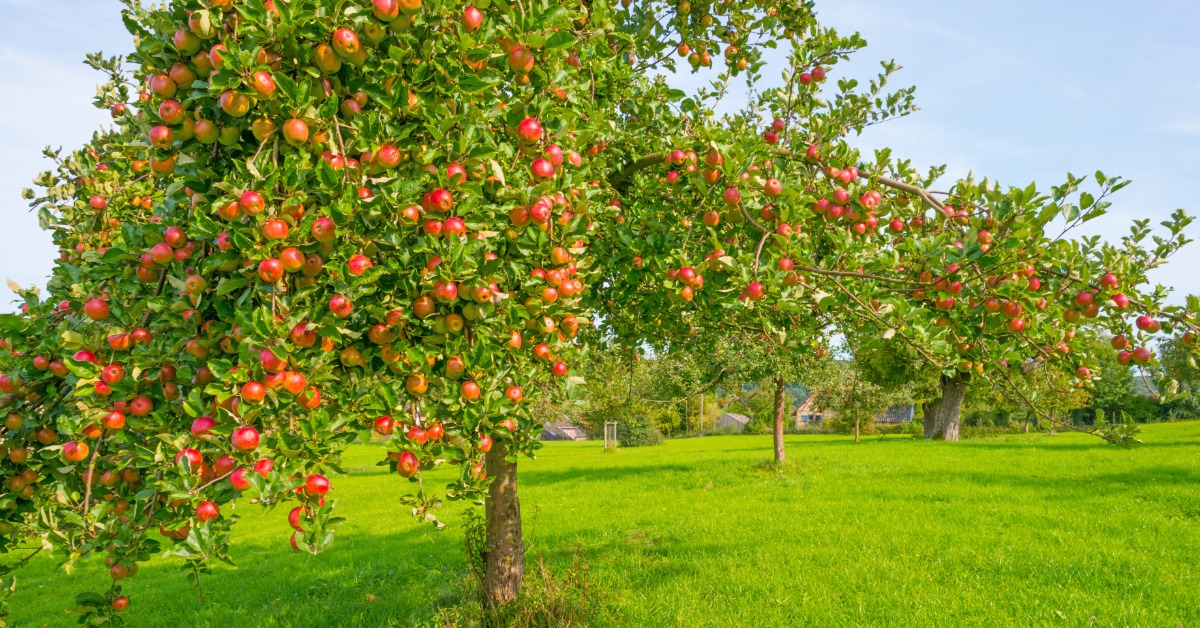
Apple trees have a reputation for thriving in cool regions, but plenty of varieties can produce delicious fruit in areas with mild winters and hot summers. The secret lies in selecting trees that suit your local climate rather than relying on varieties bred for colder conditions. With the right approach, homeowners across the South can enjoy fresh apples without the long, harsh winters associated with traditional orchards. Explore these practical tips on how to choose apple trees for warmer climates and discover varieties that could become excellent additions to your backyard.
Understand the Climate Requirements of Apple Trees
Apple trees need a period of winter dormancy before they can produce healthy blossoms and fruit the following season. During this dormant period, exposure to cool temperatures helps the trees prepare for spring growth. The amount of cold weather each variety requires varies considerably, so climate compatibility deserves attention before you purchase a tree.
Gardeners in southern states face a different set of conditions than those in northern apple orchards. Mild winters may not provide enough cold weather for traditional varieties, even if the trees appear healthy throughout the year. Fortunately, several apple varieties have lower winter chill requirements and can produce fruit in regions with relatively short, mild winters.
Learn About Winter Chill Hours
Chill hours refer to the accumulated exposure to cool temperatures during the dormant season. Many traditional apple varieties need hundreds of hours of winter chill before they can develop blossoms properly. Certain low-chill varieties require far less cold exposure, so they’re better suited to warmer regions.
For example, a homeowner in southern Georgia may experience winters that rarely resemble those in Michigan or New York. A tree bred for northern orchards could struggle to produce a dependable crop under those conditions. Selecting a variety with a suitable chill requirement gives that homeowner a better opportunity for successful fruit production.

Choose Apple Varieties That Tolerate Mild Winters
Not all apple trees respond to warm climates in the same manner. Some varieties have adapted to regions with mild winters and extended periods of summer heat. Their characteristics make them attractive choices for homeowners who want a productive backyard orchard without the benefit of prolonged cold weather.
Several apple varieties deserve consideration for southern gardens. Each offers different fruit characteristics, harvest periods, and climate preferences. Compare these traits against your local conditions before deciding what belongs in your yard.
Anna Apple Trees
Anna apple trees are popular among gardeners in regions with mild winters. Their relatively low chill requirements allow them to produce fruit in areas where traditional northern varieties may struggle. The apples have a pleasant balance of sweetness and tartness, with a crisp texture that works well for fresh snacks.
Another attractive characteristic is their relatively early harvest season. In suitable southern climates, Anna apples may mature during late spring or early summer, well ahead of many familiar grocery-store varieties. Their early production can provide a welcome start to the backyard fruit harvest.
Dorsett Golden Apple Trees
Dorsett Golden apple trees are another excellent candidate for areas with limited winter chill. This variety originated in the Bahamas, a background that helps explain its reputation for adaptability to mild winter conditions. Its golden-yellow apples have a sweet flavor and can serve as a pleasant addition to fresh fruit dishes.
Dorsett Golden and Anna trees also make a useful orchard combination. Their blossom periods can overlap, so they may provide cross-pollination opportunities when local conditions support compatible bloom times. Homeowners with space for two trees may find this combination particularly attractive.
Ein Shemer Apple Trees
Ein Shemer apple trees also deserve attention from gardeners in warmer regions. This variety has a relatively low winter chill requirement and produces pale yellow apples with a mild, sweet flavor. Its fruit can be enjoyed fresh or incorporated into homemade recipes.
As with any apple variety, local climate and seasonal weather influence the final harvest. A suitable chill requirement doesn’t guarantee abundant fruit every year. Proper site selection, pollination, and routine care still contribute to orchard performance.
Consider Summer Heat and Sun Exposure
Winter temperatures aren’t the only climate factor that deserves attention. Apple trees also need favorable conditions throughout the summer months, especially in areas where temperatures remain high for extended periods. Excessive heat can place stress on trees and affect fruit quality.
Most apple trees benefit from full sun, with at least six to eight hours of direct sunlight each day. Sun exposure supports healthy growth and fruit development, but intense afternoon heat can create challenges for young trees. A location with good air circulation and adequate soil moisture can help reduce stress during the hottest months.
For instance, a backyard with reflected heat from a large concrete patio may expose young trees to harsher conditions than an open lawn. Consider the surrounding landscape before selecting a permanent location. Even a heat-adapted apple variety benefits from a thoughtful placement.
Pay Attention to Pollination Requirements
Apple trees rely on pollination to produce fruit, and many varieties benefit from pollen supplied by another compatible apple tree. A healthy tree may develop attractive blossoms but produce a disappointing harvest if suitable pollen isn’t available. That’s why pollination compatibility deserves consideration during the selection process.
Bloom periods must overlap for two apple varieties to serve as effective pollination partners. Anna and Dorsett Golden are frequently paired because their bloom schedules can coincide in mild climates. Their compatibility makes them appealing options for homeowners who want a small orchard with more than one variety.
Local weather can influence blossom development and pollinator activity, too. Unseasonably warm winter days may encourage early blossoms, and a subsequent cold spell could damage them. Select varieties with compatible bloom habits and consider the seasonal patterns in your area.

Evaluate Soil Conditions Before You Plant
Apple trees perform best in soil that drains well and provides enough room for healthy root development. Heavy clay, compacted ground, or areas with persistent standing water can interfere with root health. Even a variety suited to your climate may struggle if the soil remains saturated after heavy rainfall.
A soil test can reveal the soil’s pH and nutrient levels before you establish your orchard. Apple trees generally prefer slightly acidic soil, with a pH near 6.0 to 7.0. Test results can guide appropriate amendments and help you avoid unnecessary fertilizer applications.
Also consider the available space around each tree. Mature size depends on the variety and rootstock, so two trees with similar fruit characteristics may have very different space requirements. Review the expected mature dimensions before you commit to a location near fences, structures, or other trees.
Find Apple Trees That Suit Your Climate
Successful apple cultivation begins with a variety that matches your winter temperatures, summer conditions, and available garden space. Low-chill selections such as Anna, Dorsett Golden, and Ein Shemer offer promising possibilities for homeowners in warmer regions. With suitable pollination partners and attentive care, these trees can become productive additions to a home orchard.
Now that you understand how to choose apple trees for warmer climates, you can approach your next orchard project with greater confidence. Explore the selection at The Nursery at Ty Ty to buy apple trees online that are suited to your region. Your next backyard harvest could feature fresh apples straight from your own trees.
Leave a Reply