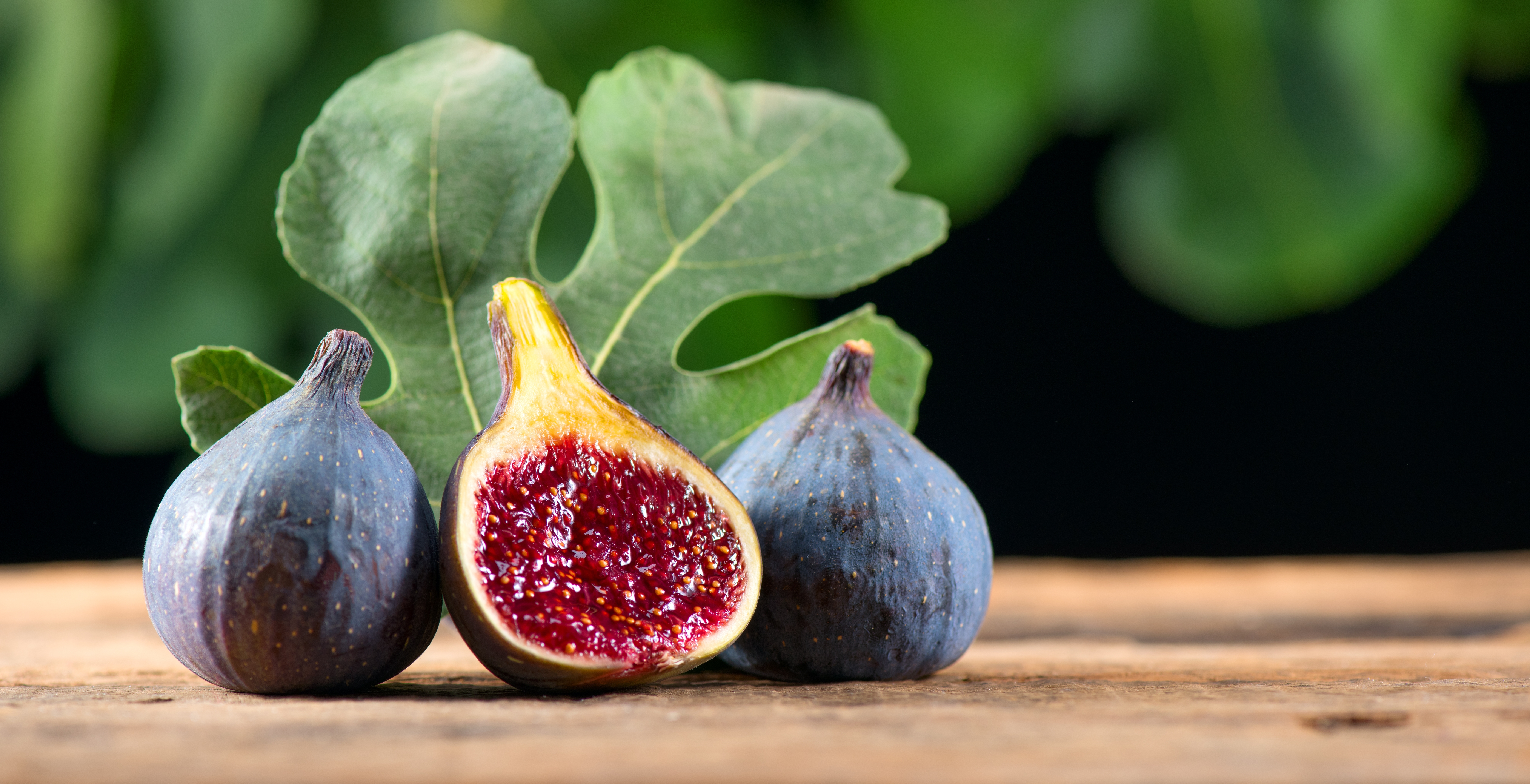
There are some fruits that taste completely different when they come from your own backyard, and figs are right at the top of that list. A fig picked warm from the tree, just as it softens and turns sweet, is a little taste of summer that a grocery-store package rarely matches. Maybe you remember a fig bush growing beside your grandparents’ house. Maybe you want to make homemade fig preserves. Or maybe those enormous, tropical-looking leaves have convinced you that one would look pretty good beside your patio.
Whatever started your interest, the first question is a smart one: Can I grow fig trees in my USDA zone? At Ty Ty Nursery here in South Georgia, we hear versions of this question from customers all over the country. The answer is encouraging for many gardeners, but it depends on which fig variety you choose and what you expect from it. A fig might return from its roots after a cold winter without having enough warm weather left to ripen a crop. Another variety might thrive in a mild winter yet struggle with soggy soil, fruit splitting, or summer pests.
We have helped gardeners select trees since 1978, and we believe the best fig is the one that fits your yard, not simply the one with the prettiest fruit photograph. This guide compares all nine varieties in our fig trees for sale online collection, explains USDA growing zones and chill hours, and walks through planting, pruning, winter protection, container growing, and harvesting. Whether you live in a warm Southern state or want to try a cold-hardy fig farther north, we want you to start with the right plan.
USDA Hardiness Zones: Will My Fig Tree Survive the Winter?
The USDA Plant Hardiness Zone Map classifies locations by their average annual extreme minimum winter temperature. It is a useful starting point for choosing a perennial fruit tree, but it is not a complete fruit-production guide. USDA Zone 7 in a humid Southeastern valley can have different summer conditions from Zone 7 in the dry West. Even within one neighborhood, an exposed field, a sheltered courtyard, and the bottom of a frost pocket may produce different results.
Fig trees (Ficus carica) are deciduous fruit plants with broad leaves and comparatively tender wood. Many can survive an ordinary Southern winter without much difficulty. In colder climates, the branches may die back even when the roots and crown survive underground. A fig that returns from the base in spring is alive, but it may need the remainder of the season to regrow before it can bear ripe fruit.
Our current fig collection includes two particularly interesting colder-region selections, Chicago Hardy and Tennessee Mountain, both listed beginning at Zone 5. Other varieties begin at Zones 7 or 8. Remember that a hardiness listing can describe plant survival under suitable care, not an annual guarantee of uninjured branches or a ripe fig harvest.
Do Fig Trees Need Chill Hours to Produce Fruit?
What Winter Chill Means for Figs
Chill hours are an estimate of the cool temperatures a deciduous plant experiences during dormancy. Many gardeners know the term from apples, peaches, and cherries, where matching the variety’s winter chill requirement to a region is essential. Figs also benefit from a winter rest, but their chilling needs are generally much lower than those of many traditional orchard fruits. University of Florida Extension notes that common figs generally need no more than about 100 hours at 45 degrees Fahrenheit or below for normal bud development. Individual nursery estimates and measuring methods can differ.
That does not mean every fig variety has an identical or precisely established requirement. Some Ty Ty Nursery listings simply say minimal chill hours; the Green Ischau and Tennessee Mountain listings give approximate ranges of 100–200 hours. These are broad nursery estimates rather than laboratory-certified thresholds. Do not assume a fig that receives an exact number of hours will automatically bear fruit, or that a low-chill fig can endure severe northern cold.
Hardiness, Chill Hours, and Growing Season Are Three Different Questions
Hardiness asks whether winter cold will injure the tree. Chilling concerns its winter rest and return to growth. Growing-season length determines whether young figs have enough warmth and time to finish ripening. In Zone 5, the greatest challenge may be protecting the roots and leaving enough summer for a crop. In Zone 10 or 11, severe freezes are less common, but local winter chilling, humidity, and heavy rainfall still deserve attention.
We would rather help you choose a realistic fruiting plan than promise that every fig listed for your zone will produce the same harvest every year.
Fig Tree Varieties: USDA Zones, Winter Chill, and Fruit Types
| Fig Variety | Ty Ty Listed Zones | Listed Chill Requirement | Fruit and Growing Notes |
|---|---|---|---|
| Chicago Hardy | 5–10 | Minimal; no numeric listing | Dark purple-brown; strong option for colder gardens with protection |
| Tennessee Mountain | 5–11 | Approx. 100–200 hours | Dark purple-black; cold-tolerant selection |
| Green Ischau | 7–10 | Approx. 100–200 hours | Light green, honey-sweet figs |
| Jack’s Black | 7–11 | Minimal; no numeric listing | Dark purple to black, rich flesh |
| Kadota | 7–11 | Minimal; no numeric listing | Greenish-yellow, sweet, excellent for preserves |
| Nero Caesar | 7–11 | Minimal; no numeric listing | Deep purple, smooth sweet interior |
| Black Mission | 8–11 | Minimal; no numeric listing | Dark purple, rich, jammy flavor |
| Italian White | 8–11 | Minimal; no numeric listing | Light yellow-gold, honey-like flavor |
| Peter’s Honey | 8–11 | Minimal; no numeric listing | Golden yellow, delicate sweetness |
Ranges reflect Ty Ty Nursery product listings, not an equal chance of fruiting at every location within a zone. The very warm end of the published ranges requires local verification of winter chill and growing conditions. Check the individual listing and your county Extension recommendations before ordering.
USDA Zones 3 and 4: Can You Grow Fig Trees in Cold Northern States?
You certainly can try growing figs in cold northern climates, but outdoor winter survival is a different matter. None of the nine varieties on our current fig category page is listed for unprotected planting in Zone 3 or 4. A permanent in-ground planting there is an experiment that may need serious winter protection, and it should not be confused with a dependable tree for the open yard.
For gardeners in northern Minnesota, the Dakotas, Maine, or cold parts of Wisconsin, a movable container fig often makes more sense. Grow the fig outside in full sun during warm weather, let it enter dormancy in fall, then move the pot to a cool, protected garage, cellar, or similar space for winter. The goal is to protect the roots while allowing an ordinary cool dormant rest, not to keep the tree growing beside a hot indoor radiator.
In the spring, move the container back outside gradually as freezing danger passes. It may take several seasons to develop a larger fig harvest, especially where summers are short. Chicago Hardy is one variety worth investigating for this approach. Even so, sheltered overwintering and adequate summer warmth matter more than a name suggesting the tree is completely immune to frost.
USDA Zone 5: Chicago Hardy and Tennessee Mountain Figs
Zone 5 is where our published fig-growing range begins. Chicago Hardy Fig and Tennessee Mountain Fig are both listed for this zone, and both are worth investigating for a gardener who wants homegrown figs in a colder state. But a cold-hardy name is not permission to ignore winter temperatures.
Chicago Hardy may return from its roots after top growth is damaged. That can be a terrific advantage for survival, especially when the root zone is protected with mulch and the planting site is sheltered. But vigorous regrowth uses time and energy. If cold weather arrives early the following fall, some figs may still be unripe when the season ends. The same survival-versus-harvest caution applies to Tennessee Mountain, even though the nursery lists it across a wide zone range.
For the most dependable results, choose full sun, a protected location away from soggy winter soil, and a plan for insulating young roots. Consider a container you can move indoors if your site is exposed. Plant dormant bare-root figs in spring once the soil is workable and your area’s worst sustained ground freezing is ending.
USDA Zone 6: Cold-Hardy Figs for a Backyard Garden
In Zone 6, gardeners often have a little more flexibility, although late freezes and winter branch damage can still occur. Chicago Hardy and Tennessee Mountain remain our current Zone 6 choices. Many gardeners prefer to grow them as multi-stemmed bushes rather than single-trunk trees because it is easier to protect the base, renew damaged stems, and pick fruit without a ladder.
Where summers are relatively long, a hardy fig may fruit on new-season shoots even after a cold winter removes some older wood. The key is to get strong, healthy growth early enough to ripen fruit before autumn cools down. Avoid applying heavy nitrogen fertilizer late in summer. Tender, late-season shoots are particularly vulnerable to cold injury, and excessive leafy growth can delay ripening.
If you have a small patio, a container-grown fig is also a practical option. A pot allows you to choose a sheltered winter location and gives you more control over root moisture. The trade-off is additional summer watering and the need to protect container roots from extreme cold.
USDA Zone 7: More Choices for Homegrown Figs
In Zone 7, the selection opens up considerably. Along with Chicago Hardy and Tennessee Mountain, Ty Ty Nursery currently lists Green Ischau, Jack’s Black, Kadota, and Nero Caesar for Zone 7. If you enjoy golden or green fruit, Green Ischau and Kadota bring something different to the table. If you prefer dark, jammy figs, consider Jack’s Black or Nero Caesar.
Zone 7 stretches through some very different landscapes. In a humid Southern location, fig rust, poor airflow, and wet fruit can become challenges. In a drier inland region, steady irrigation and winter temperature swings may deserve more attention. Give figs an open, sunny planting site and room to spread. Remember that the zone listing represents potential adaptation, not a universal fruiting guarantee.
The dormant season—usually late winter to early spring in cooler Zone 7 areas—is an excellent time to plant bare-root figs. Make sure the planting hole drains before committing to the location.
USDA Zone 8: A Great Place to Grow Fig Trees in the South
Here in South Georgia, fig trees have been part of family gardens for generations. Zone 8 opens the door to all nine varieties in our current collection: the colder-region options, the green and dark figs listed for Zone 7, and the warmer-climate Black Mission, Italian White, and Peter’s Honey.
Fig trees appreciate sunshine and warmth, but they are not indestructible. In humid regions, late-season rain can cause splitting or souring in ripe fruit. Fig rust can spot and defoliate leaves, and root-knot nematodes can be a significant problem in some sandy Southeastern soils. Proper site preparation, airflow, mulch, and inspection are more useful than simply choosing the warmest corner of the yard.
We especially like the idea of selecting figs by flavor and harvest use here. Black Mission has a darker, richer character; Italian White and Peter’s Honey appeal to gardeners who enjoy golden, honey-flavored fruit; Kadota is useful for preserves. A well-cared-for fig can be a handsome ornamental feature in addition to a productive edible plant. The right site and good care matter more than chasing the highest possible number of varieties.
USDA Zone 9: Fig Trees for Mild Winters and Long Summers
Zone 9 can be excellent fig country, particularly where summers are warm and comparatively dry. All nine current Ty Ty fig varieties include Zone 9 in their published ranges. Warm-climate favorites such as Black Mission, Kadota, Italian White, and Peter’s Honey are attractive options, while Chicago Hardy and Tennessee Mountain can still be grown where their local growing conditions are suitable.
The important questions change as winter becomes milder. Your fig does not need the extensive chilling required by many apples or peaches, but it still benefits from a suitable rest period. In very warm areas, confirm regional performance rather than assuming a high USDA-zone label guarantees a harvest. In coastal gardens, high humidity and rain near ripening can create more trouble than winter cold.
Give the tree a sunny position, consistent irrigation when fruit is swelling, and soil that does not remain saturated. Harvest frequently because fully ripe figs are soft and perishable. A sun-ripened fig can be delicious one day and overripe the next, especially during hot weather.
USDA Zone 10: Can Fig Trees Produce in Subtropical Gardens?
Many figs can grow in suitable Zone 10 locations. Ty Ty Nursery currently lists all nine varieties through Zone 10. But a fig that survives a mild winter may not fruit the same way in every part of the zone. Some locations provide a brief, useful cool season while others experience almost continuous warmth. Summer rainfall, insects, and fruit spoilage may be greater obstacles than a single cold night.
Black Mission, Kadota, Jack’s Black, Nero Caesar, Green Ischau, Italian White, and Peter’s Honey are among the varieties to research. Do not make a large orchard investment based on the zone number alone. In particularly humid tropical-influenced areas, contact your county Extension office for a regional evaluation of disease pressure, winter rest, and fruiting consistency.
If you are growing a fig in a container, use a large pot with dependable drainage and adjust watering for high heat. Mulch helps moderate moisture changes, but the soil must never remain constantly waterlogged. Harvest ripe figs promptly before rain or insects damage them.
USDA Zone 11: Read the Variety Label Carefully
Our current category lists Black Mission, Italian White, Jack’s Black, Kadota, Nero Caesar, Peter’s Honey, and Tennessee Mountain through Zone 11. Chicago Hardy and Green Ischau stop at Zone 10 on their Ty Ty product listings. Although those published ranges include some very warm environments, Zone 11 is not a promise of dependable outdoor figs in every location.
In almost frost-free or tropical places, local rainfall patterns, warm nights, insects, and limited seasonal chilling can change the way a fig grows and fruits. The University of Florida notes that southernmost areas may not receive the same effective fig chilling as the rest of the state. We recommend checking local trial results before planning around a heavy annual harvest, even when the tree is likely to remain alive.
Meet the Nine Fig Tree Varieties at Ty Ty Nursery
Chicago Hardy Fig: A Favorite for Colder Backyards
The Chicago Hardy Fig Tree is one of the first varieties we suggest investigating when a customer lives in a colder state but still wants to grow figs. Its small to medium dark figs offer a rich, sweet flavor that works beautifully for fresh eating and preserves. The product page lists Zones 5–10. In colder portions of that range, plan on protecting the roots and possibly dealing with winter dieback. The ability to regrow is valuable, but a long frost-free season is still important for a ripe harvest.
Tennessee Mountain Fig: Another Cold-Tolerant Selection
Tennessee Mountain Fig offers dark purple-black figs with a sweet interior and a broad published range of Zones 5–11. The nursery’s estimated chilling range is 100–200 hours. It is interesting for gardeners looking beyond the most familiar fig names, including some cooler-climate plantings. At the cold end, protect it from severe weather; at the very warm end, check local chilling and fruiting performance before assuming the broad rating applies equally everywhere.
Green Ischau Fig: Honey-Sweet Fruit With Green Skin
Green Ischau is a conversation starter because ripe figs do not always turn dark purple. This variety is listed for Zones 7–10 and produces green-skinned fruit with a sweet, honey-like character. The listing gives an approximate 100–200 chill-hour estimate. Watch how the fruit softens and develops flavor rather than picking simply because the skin stays green. It is attractive for fresh snacking and preserves.
Jack’s Black Fig: Rich, Dark Fruit for Fresh Eating
Jack’s Black Fig produces dark purple to black figs with rich sweetness. Listed for Zones 7–11, it gives gardeners a different flavor and color choice without requiring an additional tree for the main crop. Its fruit can be eaten fresh, baked, or cooked into fig jam. Provide good sun exposure and enough room for its vigorous growth, and remember that intense humidity near harvest can affect fruit quality.
Kadota Fig: A Classic Choice for Preserves
Kadota Fig is a familiar greenish-yellow fig with a smooth, honey-like sweetness. It is listed for Zones 7–11 and is especially useful in preserves, baking, and fresh eating. A ripe Kadota may remain pale rather than turning purple, so learn to recognize its softer texture and flavor. In a warm backyard with a suitable growing season, it can make a productive addition to an edible landscape.
Nero Caesar Fig: Deep Purple Color and Smooth Flavor
Nero Caesar Fig, listed for Zones 7–11, produces purple-skinned figs with a sweet, tender interior. It is worth considering if you want dark fruit for fresh eating and desserts but would also enjoy the ornamental appearance of a leafy fig tree. Its website description lists low chilling needs without a precise number. Make your final selection using both your USDA zone and your local weather pattern.
Black Mission Fig: Deep Color and Jammy Sweetness
The Black Mission Fig Tree is well known for its dark purple fruit and rich, sweet flavor. Listed for Zones 8–11, it is a popular choice for eating fresh, drying, and cooking. It suits many warm-climate sites when drainage and summer conditions are favorable. Gardeners in colder areas should not assume its reputation for vigorous growth makes it as winter tolerant as Chicago Hardy.
Italian White Fig: Golden Fruit With Delicate Sweetness
Italian White Fig is listed for Zones 8–11 and offers light yellow to golden figs with a delicate, honey-like flavor. It appeals to gardeners looking for a fruit that is attractive on the tree and excellent on a plate. The nursery describes a relatively early harvest, but exact timing changes by state, season, and local warmth. Choose a sunny planting site and pick only when the fruit has softened fully.
Peter’s Honey Fig: Golden Figs for Dessert Lovers
Peter’s Honey Fig is another warm-climate selection, listed for Zones 8–11. Its golden-yellow fruit is known for a sweet, honey-like flavor that works well for fresh eating and desserts. The plant’s popularity makes variety identification important: keep the original order details and observe the fruit carefully as the tree matures. A fig can take time to show the full characteristics of its named variety.
Do You Need Two Fig Trees for Pollination?
Here is one of the best things about growing the common edible figs sold for home gardens: they generally produce their main crop without needing a second fig tree or a special pollinating wasp. This process is called parthenocarpy, meaning the fig develops without fertilization. A single well-grown common fig can be productive on its own.
Some fig types grown in other parts of the world have different pollination biology and may rely on specialized fig wasps. Those types are not interchangeable with the common figs discussed here. You do not need to buy two Chicago Hardy, Kadota, or Black Mission figs just to obtain a pollination partner. Planting more than one variety can still be a wonderful way to enjoy different flavors and harvest times, but more varieties do not automatically increase the yield of an existing common fig through cross-pollination.
If your fig has plenty of healthy leaves but no ripe fruit, investigate its age, winter damage, sun, pruning, soil moisture, and length of the season before blaming the absence of another tree.
Breba Crop vs. Main Crop: Why Some Figs Fruit Twice
Some fig varieties can carry two harvests in a good year. The breba crop forms on wood from the previous growing season and may ripen earlier in summer. The main crop forms on new growth from the current season and commonly ripens from late summer into fall. The exact pattern depends on the cultivar, climate, and whether the tree’s older wood survived winter.
This matters when pruning. If you remove all of last year’s branches, you may remove the wood that would have produced a breba crop. In northern gardens, winter may do that pruning for you by killing exposed branches. A healthy fig can still regrow and produce a main crop, but it needs enough season left to ripen. Do not assume every fig in every USDA zone will provide two full harvests each year.
For a family orchard, a variety that reliably ripens its main crop in your climate is more valuable than a cultivar that promises a second crop which never finishes before frost.
Where Is the Best Place to Plant Fig Trees?
Give Fig Trees Plenty of Sun
We recommend six to eight hours of direct sunlight or more, ideally a full sunny day in most climates. Sunlight helps figs develop sweetness and supports healthy wood. A tree shaded by a garage or large shade tree might make handsome foliage but fewer ripe figs. In colder locations, a protected site beside an appropriate wall may moderate winter exposure, although overly warm late-winter microclimates can sometimes encourage early growth.
Drainage and Soil pH
Figs can tolerate a range of soils when water drains freely. A slightly acidic to neutral pH around 6.0–7.0 is a good general target, but a soil test is more useful than guessing. The biggest danger is a site where roots remain saturated. Do not put a fig into a permanently wet depression and hope fertilizer will solve the problem. In sandy areas, investigate root-knot nematode history before choosing the spot.
Spacing for Trees, Bushes, and Containers
Many backyard figs appreciate roughly 8–12 feet or more between plants, depending on their mature size and pruning system. An in-ground fig may become larger than the plant you receive in its shipping box. A multi-trunk bush is often easier to maintain in regions with freeze injury, while a tree form can be attractive where winters are milder. For container growing, plan for regular root care, pruning, and a pot that can eventually support a substantial plant.
When Is the Best Time to Plant Bare-Root Fig Trees?
For most areas, the dormant season is the best time to plant bare-root figs. In Zones 5 and 6, wait until the ground thaws and can be worked in spring. In milder Southern areas, planting during suitable cool winter weather can allow the roots to settle before summer heat. The planting window is not identical from Georgia to New York, so check the weather rather than relying on a national date.
Ty Ty Nursery ships many field-grown deciduous trees bare-root during their shipping season. Bare-root plants may look like simple dormant stems when they arrive. Leaves are not necessary for a dormant fig to be alive. Protect the roots from drying out, follow the included unpacking instructions, and plant as soon as your site is ready. Shipping schedules depend on harvest dormancy, inventory, and destination weather.
How to Plant a Bare-Root Fig Tree: Step-by-Step
- Prepare the location first. Choose a sunny, well-drained spot with room for the eventual canopy. Remove competing turf and weeds from a generous planting area.
- Unpack the tree promptly. Keep bare roots cool, shaded, and moist. Do not leave the roots exposed to drying wind or sunshine while you work. Follow the nursery’s specific planting and rehydration directions.
- Dig a wide hole. Make it broad enough for roots to spread without curling or being forced sharply upward. Avoid digging much deeper than needed to establish the correct planting level.
- Position the tree properly. Spread roots naturally and use the original soil mark or nursery instructions to guide depth. Keep the root flare close to the correct finished soil level.
- Backfill with mainly native soil. Settle soil gently around the roots rather than making an isolated pocket of potting mix. Do not place concentrated fertilizer in direct contact with newly exposed roots.
- Water thoroughly. Use a slow, deep soaking to settle soil and moisten the root zone. Check whether the tree has shifted or sunk after watering.
- Mulch carefully. Apply about two to three inches of clean organic mulch around the rooting area, keeping a gap next to the trunk. Mulch helps retain moisture and reduces competition from grass.
- Protect the young plant. Use a suitable guard or fencing where deer, rabbits, or string trimmers are a risk. In colder regions, have winter protection materials ready before the first hard freeze.
A small amount of planning before the tree arrives makes the first season easier. Give new roots moisture and oxygen, not a water-filled hole or a pile of fertilizer.
Can I Grow Fig Trees in Containers and Overwinter Them Indoors?
Yes, and this is one of our favorite solutions for gardeners whose USDA zones are too cold for reliable outdoor figs. Grow your fig in a large, well-drained container during the warm season. An appropriately sized pot at least about 18 inches across is a reasonable starting point for some young figs; the container will need to increase as the plant grows. Choose a stable pot with drainage holes and a quality container growing medium rather than heavy garden clay.
During summer, container figs need closer watering than in-ground trees. A pot can dry rapidly during heat and wind, while an oversized container with poor drainage can stay wet too long. Water the root ball thoroughly when needed, allow excess water to drain, and provide adequate sunlight for ripening.
For winter, remember that a fig is deciduous and benefits from a cool dormant period. After the leaves drop naturally, a movable pot can be stored in an insulated, unheated garage or cool basement where the root ball will not freeze solid. Monitor moisture occasionally and keep the soil just moist enough that roots do not desiccate. A hot living room is generally not the ideal winter home for a dormant fig. Penn State Extension offers detailed guidance for overwintering container figs in northern climates.
In spring, return the container outdoors gradually after the danger of damaging freezes passes. Introduce the plant to stronger sunlight over several days so tender growth does not burn. A container fig can be a terrific patio feature, but a movable pot is not a magic guarantee of fruit: the growing shoots still need a sufficient warm season to ripen figs.
How to Protect Fig Trees From Winter Freeze Damage
In marginal growing zones, prepare for winter before the thermometer plunges. Maintain mulch over the root zone, let late-season growth mature instead of encouraging tender shoots with heavy fertilizer, and protect the base from strong wind. Gardeners sometimes use breathable wraps or temporary structures around smaller dormant plants, but the materials must be installed and ventilated properly to avoid trapping damaging moisture.
For a multi-stemmed fig bush, keeping the base protected can be especially useful because new shoots may emerge from living roots even when older branches freeze. Wait until new growth is visible in spring before cutting away wood you suspect is dead. Scratching a small area of bark can help reveal green living cambium, but do not repeatedly wound healthy stems. Dead wood can then be removed back to living tissue.
Chicago Hardy’s relative cold tolerance is useful here, but remember: hardy roots are not the same thing as frostproof figs. Severe freezes may destroy above-ground stems, and a short summer may prevent regrowth from ripening a crop. Planting a fig in the right location is still the most effective kind of winter protection.
First-Year Fig Care: Watering, Fertilizing and Pruning
Water Consistently, Especially During Establishment
Newly planted figs need even moisture while the root system spreads. Deep watering and frequent soil checks are more useful than a rigid daily schedule. Heavy soil stays wet longer than sand, and mulch changes how quickly the surface dries. Established figs can tolerate some dry weather, but drought stress while fruit is swelling can cause leaf drop, poor fruit size, or figs that never develop good quality. Avoid both dryness and standing water.
Do Not Push a Young Fig With Too Much Nitrogen
Fig trees can produce plenty of leafy growth without a heavy feeding program. Excess nitrogen, particularly late in the season, may encourage tender shoots and delay fruit ripening. Begin with a soil test and evidence of actual growth rather than applying fertilizer out of habit. Do not put fertilizer against fresh bare roots. Healthy establishment is more important than making the tree look huge immediately.
Prune for Your Climate and the Crop You Want
In a warm climate, a fig can be maintained as a small tree or an open multi-trunk bush. Remove dead, crossing, or diseased wood, and keep the canopy at a manageable size. In colder climates where trunks regularly die back, bush form is often easier to renew and protect. Know whether your variety produces a breba crop on older wood before pruning heavily. Severe pruning can reduce or eliminate the early crop; in some climates, it can delay the main crop as well.
Common Fig Problems: Rust, Root-Knot Nematodes, Splitting and Fruit Drop
Fig Rust in Humid Southern Gardens
Fig rust often appears as brownish spots or pustules on leaves, particularly during humid weather. Severe infections may turn leaves yellow and cause early leaf drop. Improve airflow, avoid repeatedly wetting foliage with irrigation, and remove heavily affected fallen leaves. If a spray is needed, consult your local Extension service for a diagnosis and a product specifically labeled for the situation.
Root-Knot Nematodes and Poor Root Health
In sandy Southern soils, root-knot nematodes can seriously weaken figs. Symptoms may include slow growth, yellow foliage, and poor performance despite adequate care; infected roots may develop characteristic galls. University of Georgia Extension identifies root-knot nematodes as a major fig problem in South Georgia. Check a site’s history before planting and consider soil testing where nematodes are common. Severe infestations are not easily cured after a tree is established.
Why Do My Figs Split, Sour or Drop?
Heavy rain as figs ripen can cause splitting or spoilage, particularly in varieties with more open fruit openings. Drought followed by sudden water can also stress a crop. Birds, insects, and overripe fruit complicate the harvest. Check figs frequently, maintain consistent root moisture, and remove spoiled fruit rather than leaving it on the tree. A heavy nitrogen program can produce lush leaves without improving fig quality.
How Long Does a Fig Tree Take to Produce Fruit?
Many common figs can begin bearing within a few years after planting, although age at shipment, root health, weather, pruning, and growing season determine the actual timeline. A larger tree is not automatically guaranteed to produce a full crop immediately. In the first season, encourage the roots and framework to establish rather than expecting heavy production.
Figs usually need to become fully ripe on the tree. Look for fruit that softens, hangs downward, develops its characteristic color, and sometimes shows a tiny drop of sweet liquid near the opening. A ripe green fig may remain greenish-yellow, while Black Mission and other dark figs turn deep purple. Pick gently because ripe figs bruise easily. Refrigerate and enjoy them promptly or use a tested recipe for preserves.
Frequently Asked Questions About Growing Fig Trees by Zone
What Is the Best Fig Tree for USDA Zone 5?
Chicago Hardy and Tennessee Mountain are the two fig varieties currently listed by Ty Ty Nursery beginning at Zone 5. Both deserve winter protection and careful site selection. If your winter is severe or your garden is exposed, a container fig stored in a cool protected place may be more reliable than an unprotected tree in the ground.
Can Fig Trees Grow in Georgia?
Yes. Figs are popular in many Georgia home gardens. South Georgia gardeners should pay attention to root-knot nematodes, fig rust, summer moisture, and fruit spoilage. In North Georgia, winter injury is often the bigger challenge. Choose a variety appropriate to your local USDA zone and allow plenty of sunlight.
Can I Grow a Fig Tree in a Pot?
Yes. Choose a container with adequate root volume and drainage, provide full sun during the growing season, and plan for more frequent watering than an in-ground fig. In cold climates, the ability to move the dormant pot to an insulated garage or cool basement is a major advantage.
Do Fig Trees Need Two Trees to Make Fruit?
Common edible figs generally develop fruit without cross-pollination. One healthy tree can make a crop. Plant additional varieties for different flavors or harvest timing, not because a common fig necessarily needs a second pollen donor.
Why Did My Fig Die Back but Grow Again in Spring?
Cold weather may have killed the branches while the roots and crown remained alive. Some hardy figs respond by sending up new shoots from the base. Those new shoots still need enough warm weather to mature fruit before autumn. Remove truly dead stems only after you can identify living regrowth.
How Many Chill Hours Does a Fig Tree Need?
Common figs have relatively low chilling needs. University of Florida Extension indicates that normal bud development generally requires no more than about 100 cool hours for common figs, while some nursery cultivar descriptions use different approximate figures. Check local climate records and remember that chilling is separate from winter hardiness and ripening-season length.
What Is the Sweetest Fig Tree Variety?
That depends on personal preference and growing conditions. Black Mission, Peter’s Honey, Italian White, Kadota, and Green Ischau all appeal to gardeners looking for pronounced sweetness, but flavor changes with full ripeness, sunlight, and weather. A perfectly ripe fig from the right tree usually beats a large fig picked too early.
Why Does My Fig Tree Have Leaves but No Fruit?
Possible explanations include youth, winter dieback, heavy pruning, too little sun, excessive nitrogen, drought, or a growing season too short to ripen fruit. The absence of a second fig tree is usually not the problem for common edible figs. Review what happened to the branches over winter and how much growth the tree made in summer.
When Should I Harvest Figs?
Wait until the figs soften, droop, and develop their ripe color and flavor. Harvest times vary by variety and climate, often from summer into fall. Check every day or two during peak season, because ripe figs are highly perishable. Do not expect hard, immature figs to become fully sweet after picking.
Where Is the Best Place to Buy Fig Trees Online? Ty Ty Nursery
Once you know which fig tree fits your USDA zone, finding it should be the enjoyable part. At Ty Ty Nursery, we want gardeners to have a strong selection, clear shipping expectations, and the chance to talk with someone who understands plants. Here are nine reasons customers consider our fig trees for sale at Ty Ty Nursery when planning their backyard orchards.
1. Fig Tree Prices Advertised Up to 68% Lower
We advertise fig tree prices up to 68% lower than selected competing nursery offers on qualifying comparisons. Actual savings depend on variety, plant size, promotion, and the comparable offer. We encourage gardeners to compare like-for-like trees and the final delivered price. A competitive tree price means more room in the budget for mulch, irrigation, or another favorite fruit tree.
2. Fast In-Season Shipping: Plant in Days the Ty Ty Way
When trees are available and the correct shipping season is underway, we prioritize prompt fulfillment. Our phrase is Plant in Days the Ty Ty Way. We aim to help gardeners move from ordering to planting without the unnecessary weeks or months of waiting sometimes found elsewhere. Our published terms normally allow up to ten business days for in-season shipping; weather, dormancy, inventory, and scheduled preorder dates can affect the actual timing. A suitable planting window comes first.
3. Free One-Year Plantsurance Guarantee
Our free one-year Plantsurance guarantee comes with eligible plants at no extra warranty fee. If a qualifying fig tree fails within 365 days of receipt, an approved claim provides store credit for the qualifying amount actually paid for the plant, excluding shipping and taxes. Photos and other verification may be required, and the published conditions include planting within recommended USDA zones and limitations on orders paid entirely with previous Plantsurance credit. Issued credit does not expire.
4. Lifetime True-to-Name Guarantee
It can take a few growing seasons before a fig tree reveals whether it matches the variety you ordered. Our Lifetime True-to-Name Guarantee addresses verified variety misidentification. Under the published terms, you may elect a refund, replacement, or store credit up to the original plant purchase price when the tree is shown to be a different named variety. Proof may be required. The guarantee concerns correct identification, not guaranteed yield or performance.
5. Fig Trees Delivered Right to Your Door
Skip loading heavy nursery pots into a car, trying to fit tall branches through a hatchback, or cleaning soil out of the trunk afterward. We ship eligible plants directly to customers’ doors, and many deciduous trees are shipped with protected bare roots during the appropriate season. That means more time preparing a sunny planting site and less time hauling pots around town.
6. Helping Gardeners Since 1978
Ty Ty Nursery has been in the nursery business since 1978. We have spent decades talking with gardeners about the difference between a fig that survives a Northern winter and a fig that actually produces in the South. We know that soil, frost, and summer weather can be very different from one customer to the next, and that picking the right variety is part of a successful planting.
7. Google Top Quality Store With a 4.5 Rating
Google recognizes Ty Ty Nursery as a Top Quality Store, and the store profile displays a 4.5 rating at the time of writing. We encourage shoppers to look at the current public information when comparing online nurseries. Ratings may change, so the linked profile is the best place to confirm the latest score.
8. An A Rating With the Better Business Bureau
Our Better Business Bureau business profile currently displays an A rating. We include a direct link so customers can review the latest posted grade for themselves. Independent information is useful when you are comparing where to purchase living plants online.
9. Real Plant Experts Here in Ty Ty, Georgia
Need to know whether Chicago Hardy or Tennessee Mountain makes more sense for your winter, how to protect a bare-root fig, or whether a green fig should turn purple before harvest? Our customer support comes from real staff based here in Ty Ty, Georgia. We do not outsource nursery support overseas or require you to depend on an AI-only customer-service chatbot. Call 888-758-2252 and talk with our team about what you want to grow.
Ready to Plant Your Own Fig Tree?
Growing figs can be one of the most satisfying backyard fruit projects you take on. The secret is to match the tree to the climate, then give it full sun, properly drained soil, dependable moisture, and a reasonable winter plan. In a cold region, that might mean a Chicago Hardy fig protected at its roots or a container moved to a cool garage. In a warm Southern garden, it might mean choosing among Black Mission, Kadota, Italian White, Peter’s Honey, and several other delicious varieties while keeping an eye on humid-weather problems.
Whatever your favorite fig flavor, we would love to help you get growing. Shop fig trees online at Ty Ty Nursery, check the individual USDA-zone listings, and choose the variety that fits your yard and the kind of harvest you want to enjoy for years.

Leave a Reply