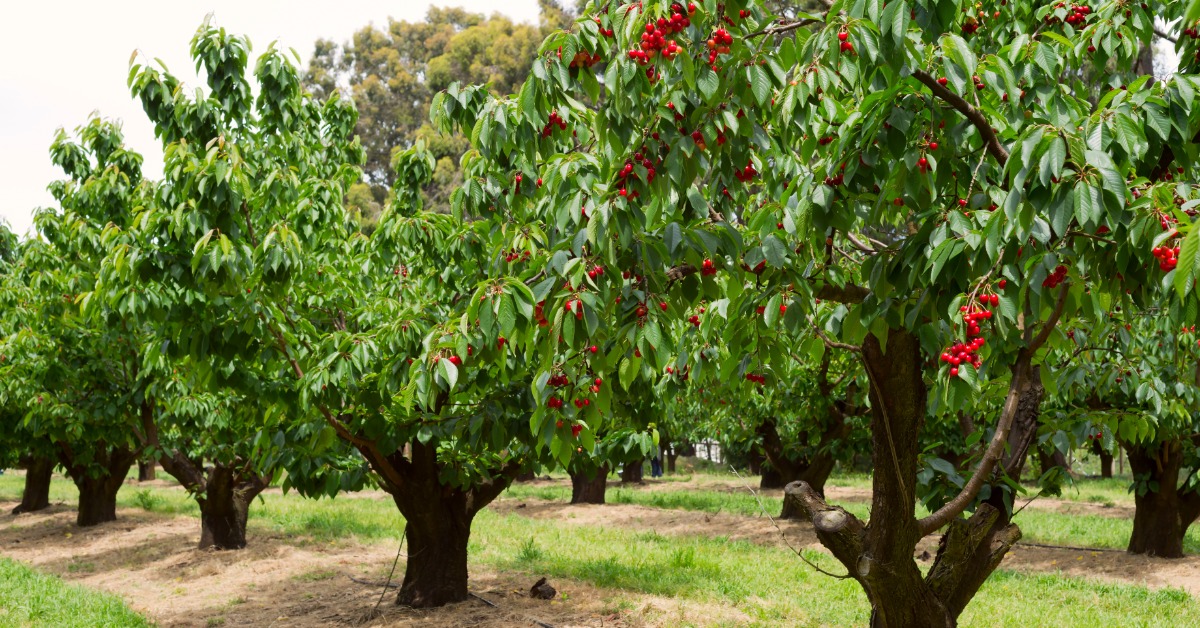
Cherry trees can reward homeowners with beautiful spring blossoms and delicious fruit, but their health depends heavily on what happens beneath the soil. Excess moisture around the roots can create serious problems, especially in yards with dense soil or poor drainage. Root rot may develop gradually, leaving a tree weak long before the full extent of the damage becomes apparent. Our guide below will show you how to prevent root rot in cherry trees. Explore these easy tips before you plant your next cherry tree, and give your orchard a healthier foundation from the start.
What Causes Root Rot in Cherry Trees
Root rot develops when harmful organisms attack a tree’s root system. Several soilborne pathogens, including certain Phytophthora species, thrive in saturated conditions and can damage cherry roots. Prolonged exposure to excessive moisture also reduces the oxygen available beneath the surface. As roots deteriorate, the tree loses its ability to absorb adequate water and nutrients.
Clay-heavy soil, excessive irrigation, and poorly chosen plant sites can contribute to these conditions. A cherry tree planted in a low section of the yard may face repeated exposure to standing water after heavy rainfall. Over time, that moisture can create an environment favorable to root disease. Prevention begins before the first shovel enters the ground. Careful attention to soil conditions and water movement can spare homeowners considerable trouble later.
Choose a Plant Site With Excellent Drainage
Cherry trees prefer soil that drains well and allows their roots to receive adequate oxygen. Areas where puddles remain for extended periods after rainfall deserve extra attention. Even a sunny location can become troublesome when water collects beneath the surface.
Before planting, examine the yard after a substantial rainstorm. Notice where water accumulates and how quickly the soil returns to normal conditions. Higher ground or a gentle slope may provide a more suitable home for a cherry tree.
You can also conduct a basic drainage test with a hole approximately 12 inches deep. Fill it with water, allow the first application to drain, then refill it and observe the drainage rate. Water that remains for many hours may indicate conditions unsuitable for cherry trees without further site improvements.
Consider Raised Plant Sites for Difficult Soil
Some properties have naturally dense soil that holds moisture longer than cherry trees prefer. In these situations, an elevated plant site can provide better drainage around the upper root system. A broad, raised mound allows excess water to move away from the tree’s base.
The mound should accommodate the root system without crowding it into a narrow space. Avoid creating a small hill that leaves the roots exposed as the soil settles. For severely waterlogged properties, a different location may offer a more dependable solution.

Develop Better Water Habits
Water management has a direct influence on cherry tree health. Newly planted trees need consistent moisture as their roots establish themselves, but saturated soil can cause more harm than good. Mature trees generally tolerate brief dry periods better than prolonged exposure to waterlogged conditions.
Rather than follow a rigid daily schedule, check the soil before each irrigation session. Insert a finger several inches beneath the surface to assess moisture levels. If the soil still feels wet, allow additional time before the next application.
Deep, occasional irrigation encourages moisture to reach the root zone without constantly saturating the upper soil. The appropriate frequency depends on rainfall, temperature, soil texture, and tree age. Sandy soil may dry relatively quickly, whereas dense clay can retain water for days.
Plant Cherry Trees at the Proper Depth
Plant depth affects root health from the beginning. A tree placed too far beneath the soil surface may develop problems around its trunk and upper roots. Excess soil against the trunk can also trap moisture and encourage decay.
Locate the root flare, where the trunk widens into the upper roots, before placing the tree into its hole. Position the tree so this area remains at or slightly above the surrounding soil grade. Account for any settling that may occur after the first few irrigation sessions.
Dig a hole wide enough to accommodate the roots without forcing them into tight bends. Keep the hole no deeper than the appropriate root depth. Backfill primarily with native soil, then water carefully to settle loose pockets around the roots.
Recognize Early Signs of Root Rot
Root disease can be difficult to identify because much of the damage occurs underground. Aboveground symptoms may resemble drought stress, nutrient deficiencies, or other tree health problems. A careful examination of the entire tree provides useful clues.
Common warning signs include:
- Leaves that wilt despite adequate soil moisture
- Yellow or discolored foliage during the active season
- Reduced shoot growth and sparse branches
- Premature leaf drop or gradual canopy decline
- Dark, decayed roots with damaged outer tissue
One symptom alone doesn’t confirm root rot. A tree with yellow leaves, for example, may have a nutrient problem unrelated to disease. Soil moisture observations, root examinations, and professional diagnostic assistance can help clarify the cause.

Respond Quickly to Suspected Root Disease
If a cherry tree shows symptoms, inspect the soil before applying more water. Excess irrigation can worsen conditions when roots have already suffered damage. Reduce unnecessary moisture and examine nearby drainage patterns.
Severely affected roots may not recover, even after soil conditions improve. A local extension service or qualified plant specialist can help identify the pathogen and recommend appropriate treatment options. Early attention offers a better opportunity to protect the remaining healthy roots.
Keep the Soil Healthy
Good soil management extends beyond the initial plant date. Compacted ground restricts air movement and slows drainage, especially around established trees. Heavy equipment, repeated foot traffic, and frequent vehicle access can gradually compress the soil.
Keep unnecessary traffic away from the root zone whenever possible. Add organic matter to surrounding garden areas as appropriate, but avoid deep cultivation near established cherry roots. Disturbance can injure roots and create additional stress.
Fertilizer also deserves a measured approach. Excessive applications won’t repair diseased roots and may place additional stress on an unhealthy tree. Use a soil test to identify nutrient needs before introducing fertilizer.
Healthy cherry trees begin with favorable soil conditions and attentive care. Proper drainage, appropriate irrigation, correct plant depth, and thoughtful mulch placement all contribute to stronger root systems. Regular observation also helps homeowners recognize potential problems before extensive damage occurs. These approaches to how to prevent root rot in cherry trees can help you establish a more resilient backyard orchard. Explore fruit-bearing cherry trees suited to your property, prepare a well-drained plant site, and give each tree the care it deserves.

Leave a Reply