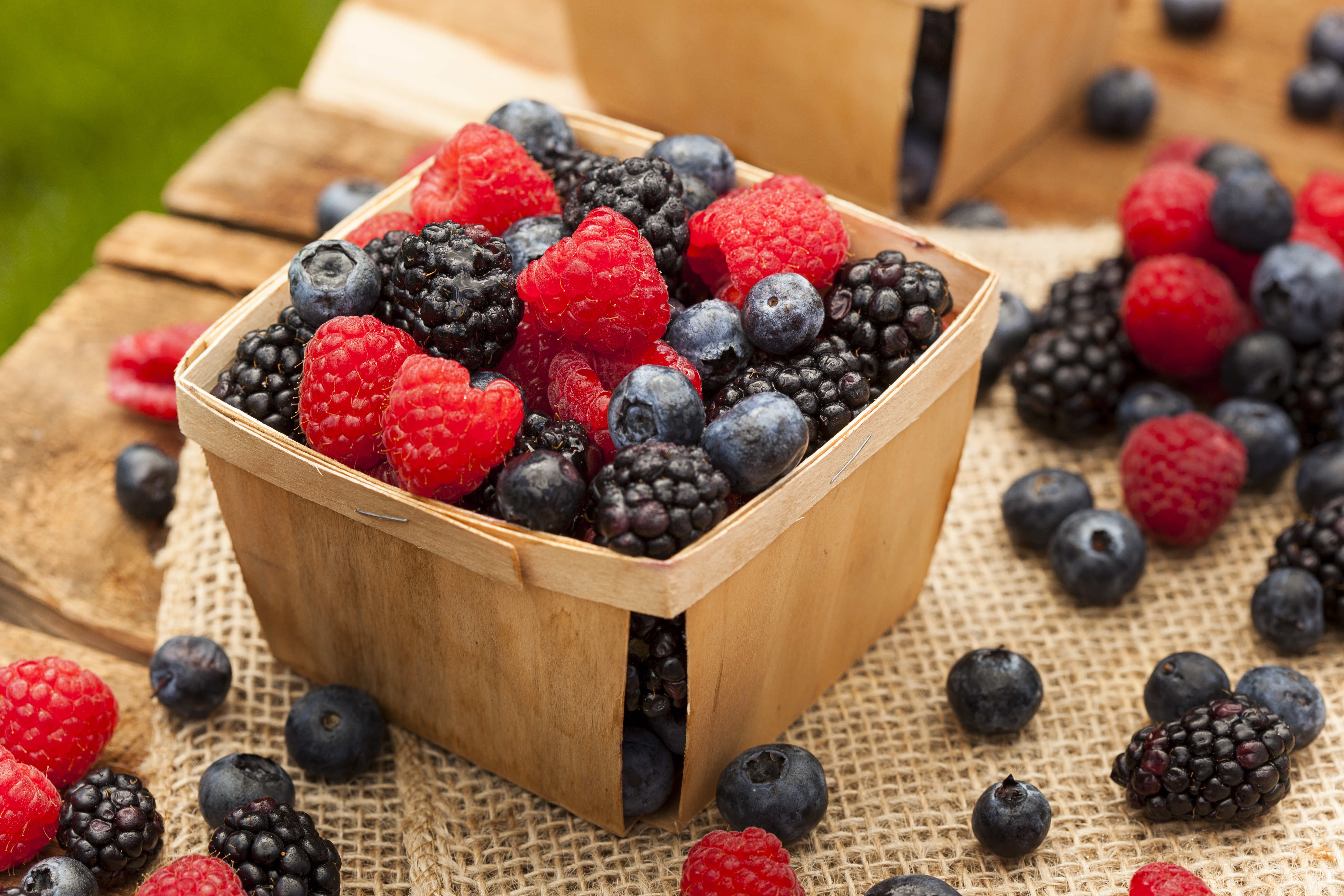
Blackberries are a backyard favorite—hardy, productive, and packed with flavor. Whether you want a hedge lined with juicy berries or a trellis bursting with fruit, getting started the right way makes all the difference. Before you purchase and plant your blackberry canes, it’s important to understand three essentials: chill hours, planting location, and variety selection (including pollination needs). These factors will determine how well your plants adapt, grow, and produce for years to come.
Chill Hours: Matching Plants to Your Climate
Chill hours are the total number of hours a plant spends in cool temperatures—between roughly 32°F and 45°F—over winter. This natural pause resets the plant’s growth cycle and ensures strong flowering and fruiting in spring. Without enough chill hours, blackberries may bloom poorly or produce little fruit.
Across the country, chill hours vary widely:
- Northern states such as Michigan, Wisconsin, and New York often accumulate 1,000+ chill hours.
- Midwestern and mid-Atlantic regions usually range between 600 and 900.
- Southern states like Georgia, Alabama, and Florida often see 300 to 500 hours or fewer.
Some blackberry varieties need high chill hours to perform, while newer cultivars are bred for low-chill areas. Be sure to choose a type suited to your region’s winter climate.
Planting Location: Setting Your Blackberries Up for Success
Blackberries thrive in full sun—at least 6 to 8 hours daily. Sunlight not only drives strong growth but also ensures sweeter, larger berries. They prefer well-drained, fertile soil, ideally loamy or sandy loam. Heavy clay can be improved with organic matter, while sandy soils benefit from compost to retain moisture.
When planting, giving your blackberries the right tools from day one pays off:
- Nutra Pro First-Year Fertilizer Packs provide steady nutrition during establishment.
- Transplant mix reduces water stress by helping soil hold moisture at the roots.
- Growth shelters or protective guards help prevent damage from rabbits, deer, and even harsh sunscald during early growth.
Spacing is also important—most blackberry types need 3 to 5 feet between plants and 6 to 8 feet between rows. Good airflow helps reduce disease and makes harvesting easier.
Varieties and Pollination
Blackberries come in several growth types: erect, semi-erect, and trailing. Some are thorny, while many modern varieties are thornless for easier harvesting. Beyond growth habit, you’ll also want to consider bloom time and chill hour requirements.
Unlike apples or pears, most blackberries are self-fertile, meaning you don’t need a second variety for pollination. However, planting more than one variety can extend your harvest season and often boosts yields thanks to increased cross-pollination.
In the South, heat- and low-chill tolerant varieties like Arapaho or Boysenberry perform well. In colder climates, varieties like Black Satin or Shawnee thrive. Matching your choice to your climate and management style ensures reliable harvests.
🛒 Where to Buy Bare Root Blackberry Plants
For top-quality plants and a stress-free experience, order from Ty Ty Plant Nursery, LLC:
✅ Best prices on premium blackberry plants
✅ Non-GMO, climate-appropriate selections for growers nationwide
✅ Fast shipping so your plants arrive healthy and ready to thrive
✅ Free 1-Year Plantsurance™ Guarantee – store credit if your plants don’t survive 🛡️
At Ty Ty, planting is always zero stress and all success.
🌟 Final Thought
Planting blackberries is simple, but success comes from planning. By considering your region’s chill hours, preparing the right planting site, and selecting varieties suited to your climate, you’ll enjoy years of abundant harvests.
Order your bare root blackberry plants from Ty Ty Plant Nursery, LLC today and start your berry patch with confidence.

Leave a Reply