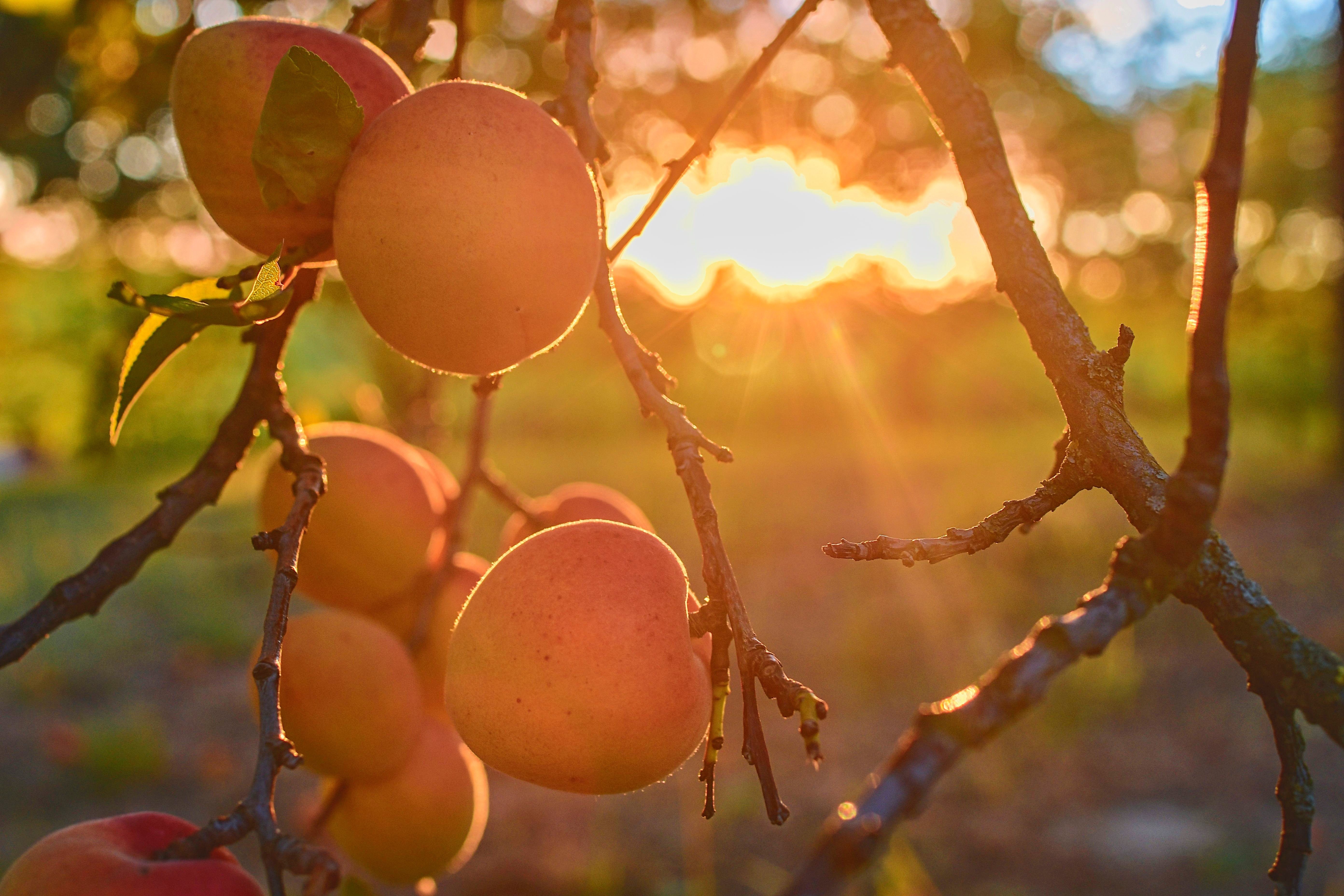
Apricot trees are the kind of fruit tree that makes you feel like you’re getting away with something. One minute the branches are covered in delicate blossoms that look like spring decided to show off, and the next minute you’re holding warm, sun-ripened apricots that taste like summer dessert. They’re sweet, fragrant, and ridiculously satisfying to grow at home. But here’s the catch: apricot trees reward good timing, and they punish “close enough” timing—especially in climates with tricky late frosts or unpredictable spring weather.
That’s why this guide focuses on the most important apricot question of all: when is the right time to plant an apricot tree in your USDA zone? We’ll use the USDA Plant Hardiness Zone Map and the zone temperature ranges (based on average annual extreme minimum temperatures) to walk through Zones 3 through 11. For each zone, you’ll learn when to plant, when to buy, when it makes sense to pre-order so you don’t get stuck with sold-out inventory in May, and when apricot trees simply are not an appropriate choice for reliable success.
All apricot variety recommendations in this article come only from Ty Ty Nursery’s Apricot Trees page so you can shop the exact varieties discussed here without chasing mystery names across the internet: Apricot Trees for Sale Online.

USDA Zone Temperature Ranges (Zones 3–11)
- USDA Zone 3: -40°F to -30°F
- USDA Zone 4: -30°F to -20°F
- USDA Zone 5: -20°F to -10°F
- USDA Zone 6: -10°F to 0°F
- USDA Zone 7: 0°F to 10°F
- USDA Zone 8: 10°F to 20°F
- USDA Zone 9: 20°F to 30°F
- USDA Zone 10: 30°F to 40°F
- USDA Zone 11: 40°F to 50°F
Before We Go Zone-by-Zone: Two Apricot Truths That Save People a Lot of Frustration
Apricot trees are not complicated, but they do have two non-negotiables that determine whether you get a “storybook harvest” or a “pretty tree that never fruits.” Those two factors are chill hours and spring frost timing.
Chill Hours (Simple Explanation)
Chill hours are the amount of winter cold a fruit tree experiences during dormancy. Apricots need that winter reset so buds open properly in spring and fruit sets normally. If winters are too mild, you can see delayed bloom, uneven bloom, or weak fruit production. If winters are cold enough but spring goes warm too early, apricots may bloom early—then a late frost can damage flowers and reduce the crop.
The good news is that the apricot varieties on Ty Ty Nursery’s page include clear chill-hour ranges, and most fall into moderate ranges that match a wide slice of the U.S. The key is matching the variety to your winters.
Pollination Needs (Good News: These Are Easy)
Many people worry about needing a second apricot tree for pollination. With the Ty Ty Nursery apricot varieties listed below, pollination is straightforward because these varieties are described as self-pollinating. That means one tree can produce fruit on its own. Even so, planting multiple apricot trees can still increase yield and improve overall fruit production—especially if you want a longer harvest season and “more apricots than you can casually snack on.”
Apricot Varieties Used in This Guide (From Ty Ty Nursery Only)
Here are the apricot trees on Ty Ty Nursery’s Apricot Trees page, along with their USDA zones, chill hours, and pollination notes as listed on their variety pages:
- Early Golden Apricot Tree: USDA Zones 5–8, 300–500 chill hours, self-pollinating
- Golden Amber Apricot Tree: USDA Zones 5–8, 300–500 chill hours, self-pollinating
- Tilton Apricot Tree: USDA Zones 5–8, 400–600 chill hours, self-pollinating
- Katy Apricot Tree: USDA Zones 5–9, 300–500 chill hours, self-pollinating
- Moniqui Apricot Tree: USDA Zones 5–9, 400–600 chill hours, self-pollinating
- Moorpark Apricot Tree: USDA Zones 5–9, 400–600 chill hours, self-pollinating
- Tropic Gold Apricot Tree: USDA Zones 7–9, 300–500 chill hours, self-pollinating
Now, let’s get into the zone-by-zone planting windows and what actually works.
USDA Zone 3: When to Plant Apricot Trees
Zone 3 is true cold-climate gardening, with winter minimums between -40°F and -30°F. That’s beyond what apricot trees on the Ty Ty Nursery apricot list are rated to handle in-ground. Since these apricot varieties begin at USDA Zone 5, Zone 3 is not an appropriate choice for in-ground apricot tree planting if you want reliable survival and production.
If you live in Zone 3 and you are determined to grow apricots, the realistic approach is container growing with protected overwintering. This is one of the colder-zone exceptions where growing indoors or in containers can make sense. A container setup typically means you grow the tree outside during the growing season, then move it into a protected space before extreme winter temperatures arrive.
Best planting time in Zone 3 (container strategy): late May through early June, after hard freezes are mostly finished and your soil and outdoor temperatures are consistently warming.
Best time to buy in Zone 3: pre-order in late winter or early spring. Here’s why: Zone 3 growers often don’t plant until May, but nurseries can sell out earlier. Pre-ordering helps ensure you have a tree reserved when your planting window finally shows up.
USDA Zone 4: When to Plant Apricot Trees
Zone 4 minimums fall between -30°F and -20°F. That is still colder than the recommended in-ground range for the apricot varieties listed on Ty Ty Nursery’s apricot page (which begin at Zone 5). That means Zone 4 is not an appropriate choice for in-ground apricot tree planting for dependable results.
Zone 4 growers who want to attempt apricots can consider container growing with protected overwintering—similar to Zone 3. This strategy is work, but it’s the realistic path if you’re serious about trying apricots in a climate outside the recommended range.
Best planting time in Zone 4 (container strategy): late April through May, depending on when soil is workable and nights begin stabilizing above freezing.
Best time to buy in Zone 4: pre-order early. Many cold-zone gardeners plant in May, and availability can tighten by the time May arrives.
USDA Zone 5: When to Plant Apricot Trees
Zone 5 is where apricot growing becomes realistic in-ground using the Ty Ty Nursery varieties listed above. Zone 5 winters provide meaningful chill hours, and summers are typically warm enough to ripen fruit well. The biggest Zone 5 challenge is often spring frost timing, because apricots can bloom early in a warm spell. You can’t control the weather, but you can control how well your tree establishes and how healthy it is going into bloom season.
Best time to plant in Zone 5: April through May, after the soil is workable and no longer frozen. In many Zone 5 areas, this lines up with the “finally, we can dig” period. Planting too early into frozen or saturated soil can slow establishment.
Best time to buy in Zone 5: pre-order in late winter or early spring. This is one of the zones where people often plant in May, and it’s common for popular varieties to sell out before then.
Recommended apricot varieties for Zone 5: stick with the varieties rated for Zone 5–8 or Zone 5–9.
- Early Golden (Zones 5–8, 300–500 chill hours, self-pollinating)
- Golden Amber (Zones 5–8, 300–500 chill hours, self-pollinating)
- Tilton (Zones 5–8, 400–600 chill hours, self-pollinating)
- Katy (Zones 5–9, 300–500 chill hours, self-pollinating)
- Moniqui (Zones 5–9, 400–600 chill hours, self-pollinating)
- Moorpark (Zones 5–9, 400–600 chill hours, self-pollinating)
Zone 5 chill-hour matching tip: if you want the safest chill-hour fit for a wide range of winters, Early Golden and Golden Amber (300–500 chill hours) often feel forgiving, while Tilton, Moniqui, and Moorpark (400–600 chill hours) fit well when you reliably get a stronger winter chill pattern.
USDA Zone 6: When to Plant Apricot Trees
Zone 6 is a sweet spot for many backyard fruit trees, including apricots. You generally get enough winter chill, and you get a longer, warmer growing season than Zone 5. Spring still matters, though—apricots are famous for blooming early, so the best strategy is to plant early enough that the tree establishes well before it has to face its first serious bloom season.
Best time to plant in Zone 6: March through April, as soon as the soil is workable and not waterlogged. If spring is unusually wet, wait for drainage to improve. Apricots prefer well-drained soil.
Best time to buy in Zone 6: early spring. You can still pre-order if you want the best selection, especially if you’re planting multiple trees.
Recommended apricot varieties for Zone 6: almost the full list works well here (excluding Tropic Gold if you prefer to stay within its listed range, since it begins at Zone 7).
- Early Golden (Zones 5–8, 300–500 chill hours, self-pollinating)
- Golden Amber (Zones 5–8, 300–500 chill hours, self-pollinating)
- Tilton (Zones 5–8, 400–600 chill hours, self-pollinating)
- Katy (Zones 5–9, 300–500 chill hours, self-pollinating)
- Moniqui (Zones 5–9, 400–600 chill hours, self-pollinating)
- Moorpark (Zones 5–9, 400–600 chill hours, self-pollinating)
Zone 6 planning tip: If you want a longer harvest window, mix an early producer like Early Golden with a classic option like Moorpark or Tilton. Even though these trees are self-pollinating, multiple varieties can help production and give you more fruit across the season.
USDA Zone 7: When to Plant Apricot Trees
Zone 7 is where apricot trees can feel almost effortless—if you plant at the right time. This zone generally provides enough chill for the listed varieties, and you get a long growing season. The biggest mistake in Zone 7 is planting too late in spring, then asking a brand-new tree with shallow roots to handle fast warm-ups and dry spells.
Best time to plant in Zone 7: February through March, during late winter to early spring, while the tree is dormant and the weather is mild.
Best time to buy in Zone 7: winter through early spring. Ordering early gives you the best variety selection and helps you plant at the ideal time instead of planting “whenever it arrives.”
Recommended apricot varieties for Zone 7: Zone 7 can grow the full list, including Tropic Gold (Zones 7–9).
- Tropic Gold (Zones 7–9, 300–500 chill hours, self-pollinating)
- Katy (Zones 5–9, 300–500 chill hours, self-pollinating)
- Early Golden (Zones 5–8, 300–500 chill hours, self-pollinating)
- Golden Amber (Zones 5–8, 300–500 chill hours, self-pollinating)
- Tilton (Zones 5–8, 400–600 chill hours, self-pollinating)
- Moniqui (Zones 5–9, 400–600 chill hours, self-pollinating)
- Moorpark (Zones 5–9, 400–600 chill hours, self-pollinating)
Zone 7 chill-hour tip: If your winters are mild but still cool enough to hit the 300–500 range reliably, Tropic Gold, Katy, Early Golden, and Golden Amber line up nicely. If you’re in a cooler Zone 7 pocket with more consistent chill, Tilton, Moniqui, and Moorpark also fit well.
USDA Zone 8: When to Plant Apricot Trees
Zone 8 is excellent apricot territory in many regions. Winters are mild, growing seasons are long, and fruit ripening is typically strong. The main thing in Zone 8 is to plant early enough that roots establish before heat ramps up and to choose varieties with chill-hour ranges that match your winter pattern.
Best time to plant in Zone 8: January through March, during late winter and early spring while the tree is dormant.
Best time to buy in Zone 8: winter through early spring. In warmer zones, planting earlier often means better establishment before summer.
Recommended apricot varieties for Zone 8: choose varieties rated through Zone 8 and match chill hours to your local winter.
- Early Golden (Zones 5–8, 300–500 chill hours, self-pollinating)
- Golden Amber (Zones 5–8, 300–500 chill hours, self-pollinating)
- Tilton (Zones 5–8, 400–600 chill hours, self-pollinating)
- Katy (Zones 5–9, 300–500 chill hours, self-pollinating)
- Moniqui (Zones 5–9, 400–600 chill hours, self-pollinating)
- Moorpark (Zones 5–9, 400–600 chill hours, self-pollinating)
- Tropic Gold (Zones 7–9, 300–500 chill hours, self-pollinating)
Zone 8 practical tip: If you want the easiest chill-hour fit, stay around the 300–500 chill-hour varieties (Tropic Gold, Katy, Early Golden, Golden Amber). If you consistently get stronger winter chill, Tilton, Moniqui, and Moorpark are great choices too.
USDA Zone 9: When to Plant Apricot Trees
Zone 9 can grow fantastic apricots, especially in regions with mild winters and warm, dry summers. The main concern in Zone 9 is chill hours: you need enough winter chill for consistent bloom and fruit set. The good news is that Ty Ty Nursery’s Zone 5–9 and Zone 7–9 apricot varieties sit in chill ranges that can work in many Zone 9 climates, particularly those that still receive moderate winter cool periods.
Best time to plant in Zone 9: December through February, during the coolest months of the year so roots can establish before heat ramps up.
Best time to buy in Zone 9: winter. Planting early is often the difference between a vine-like first season and a stressed first season.
Recommended apricot varieties for Zone 9: stick with varieties rated through Zone 9.
- Katy (Zones 5–9, 300–500 chill hours, self-pollinating)
- Moniqui (Zones 5–9, 400–600 chill hours, self-pollinating)
- Moorpark (Zones 5–9, 400–600 chill hours, self-pollinating)
- Tropic Gold (Zones 7–9, 300–500 chill hours, self-pollinating)
Zone 9 chill-hour strategy: If your winters are mild, lean toward the 300–500 chill-hour varieties (Katy and Tropic Gold). If you know your area reliably hits more chill, Moniqui and Moorpark can also perform well.
USDA Zone 10: When to Plant Apricot Trees
Zone 10 minimums range from 30°F to 40°F. Here’s the honest answer: the apricot varieties listed on Ty Ty Nursery’s apricot page are rated up to USDA Zone 9. That means Zone 10 is outside the recommended growing range for these specific varieties. If you are in Zone 10 and want dependable apricot production, these apricot trees are not an appropriate choice for reliable results because winter chill may be insufficient and dormancy cycles may not occur normally.
Even if a tree survives, survival is not the goal—harvest is. In Zone 10, lack of chill can lead to uneven bloom and weak fruit set. Since the listed varieties top out at Zone 9, it is best to choose a different fruit tree that matches Zone 10 conditions if you want dependable production.
USDA Zone 11: When to Plant Apricot Trees
Zone 11 minimums range from 40°F to 50°F and represent tropical or near-tropical climates. The apricot varieties on Ty Ty Nursery’s apricot list are not rated for Zone 11, and apricot trees are not an appropriate choice for Zone 11 planting with these varieties if the goal is reliable fruit production. Chill hours are typically too low, and apricots generally require meaningful winter dormancy to bloom and fruit normally.
How to Plant a Bare Root Apricot Tree
Apricot trees are often shipped bare root during dormancy, which is one of the best times to plant because the tree is “asleep” and ready to focus on root growth after planting. A good planting job helps your tree establish faster, handle its first summer better, and grow into a stronger fruit producer over time.
Step 1: Pick the right location
Apricot trees want full sun (at least 6–8 hours daily) and well-drained soil. Avoid low spots where water stands after rain. If your soil drains slowly, consider planting on a slight slope or in a raised planting area to keep roots healthy.
Step 2: Dig the hole correctly
Dig a hole at least twice as wide as the root spread and deep enough so roots can be positioned naturally without bending. Tight holes lead to tight roots, and tight roots lead to slow establishment.
Step 3: Use Soil Moist Transplant Mix
To help reduce water needs and boost survival due to less shock, use Soil Moist Transplant Mix. Per your instructions, bury the transplant mix at the bottom of the hole when planting. This helps the root zone hold moisture more consistently while your tree is establishing.
Step 4: Fertilize safely with Nutra-Pro 1st Year Fertilizer Packs only
Only fertilize with Nutra-Pro 1st year fertilizer packs during year one. Other granular fertilizers can burn and kill tender new roots. To use Nutra-Pro, simply put the fertilizer pack at the bottom of the hole when planting.
Step 5: Plant, backfill, and water in
Set the tree so the roots are spread naturally, backfill with native soil, and gently firm to remove air pockets. Water thoroughly after planting so soil settles around roots. Add mulch to conserve moisture, but keep mulch a few inches away from the trunk to reduce rot risk.
Watering Recommendation for the First Growing Season
New apricot trees need consistent moisture while roots establish, especially during the first couple of months. Mature trees can handle more variability, but year one is when you build the foundation.
- First couple months: water daily or every other day depending on rainfall and soil type
- Once established: water when producing fruit or as needed, especially during dry spells
- During fruiting: consistent moisture supports better fruit size and reduces stress
The goal is steady moisture, not standing water. If your soil drains slowly, water less often but more deeply.
Ongoing Apricot Tree Maintenance and Pruning
If you want healthy growth and reliable fruiting, pruning is part of the deal. The good news: apricot pruning is not complicated. The goal is to keep the canopy open, balanced, and full of sunlight and airflow. That reduces disease pressure and helps fruit quality.
- Prune in late winter while the tree is dormant
- Remove dead, damaged, or crossing branches
- Thin crowded areas to improve airflow and sunlight penetration
- Maintain a clean mulch ring and keep weeds from competing at the trunk base
- In the first couple years, focus on building a strong structure for future fruit loads
A simple “keep it open and balanced” pruning approach works well for most home growers. You don’t need to overthink it—consistent annual pruning beats occasional aggressive pruning every time.
Protect Young Apricot Trees with Max Growth Tree Shelters
It is good to grow apricot trees with Max Growth Tree Shelters to protect the plants. Young trunks are vulnerable to deer browsing, rodent damage, sunscald, wind, and accidental bumps from yard equipment. A shelter protects the trunk during the most vulnerable stage and helps prevent setbacks that slow growth.
Where to Buy Apricot Trees Online
If you are searching for apricot trees for sale, buy apricot trees online, best apricot tree varieties for my USDA zone, or self-pollinating apricot trees, you want a nursery that ships fast during planting season and carries varieties that match real growing zones. The best place to buy them is Ty Ty Nursery.
Browse all apricot varieties referenced in this guide here: Apricot Trees for Sale Online at Ty Ty Nursery.
- Prices up to 68% lower than other nurseries
- Fastest in season shipping (plant in days the ty ty way and not have to wait weeks or months with the other guys)
- Free one year plantsurance guarantee other companies charge for this
- Lifetime true to name guarantee, no other nursery offers this
- No need to move heavy pots in out of cars ships right to your door
- Been in business since 1978
- Google top quality store View Google Store Profile
- Excellent trustpilot rating by verified customers Read Trustpilot Reviews
- “A” rating with the BBB View BBB Profile
- Live human plant experts in ty ty, ga we do not outsource customer service overseas or use ai like the other companies
Apricot trees are a perfect “right tree, right place” fruit tree. If you are in USDA Zones 5 through 9, you have real in-ground options with the varieties on Ty Ty Nursery’s list, and your best planting window is late winter through spring depending on your zone. If you are in Zones 3–4, apricots are not an appropriate in-ground choice, and only a serious container overwintering strategy makes them possible. If you are in Zones 10–11, these specific varieties are outside the recommended range and are not an appropriate choice for reliable fruit production. Match your zone, choose the right chill-hour fit, plant at the right time, and your apricot tree can become one of the most rewarding harvests in your yard.

Leave a Reply