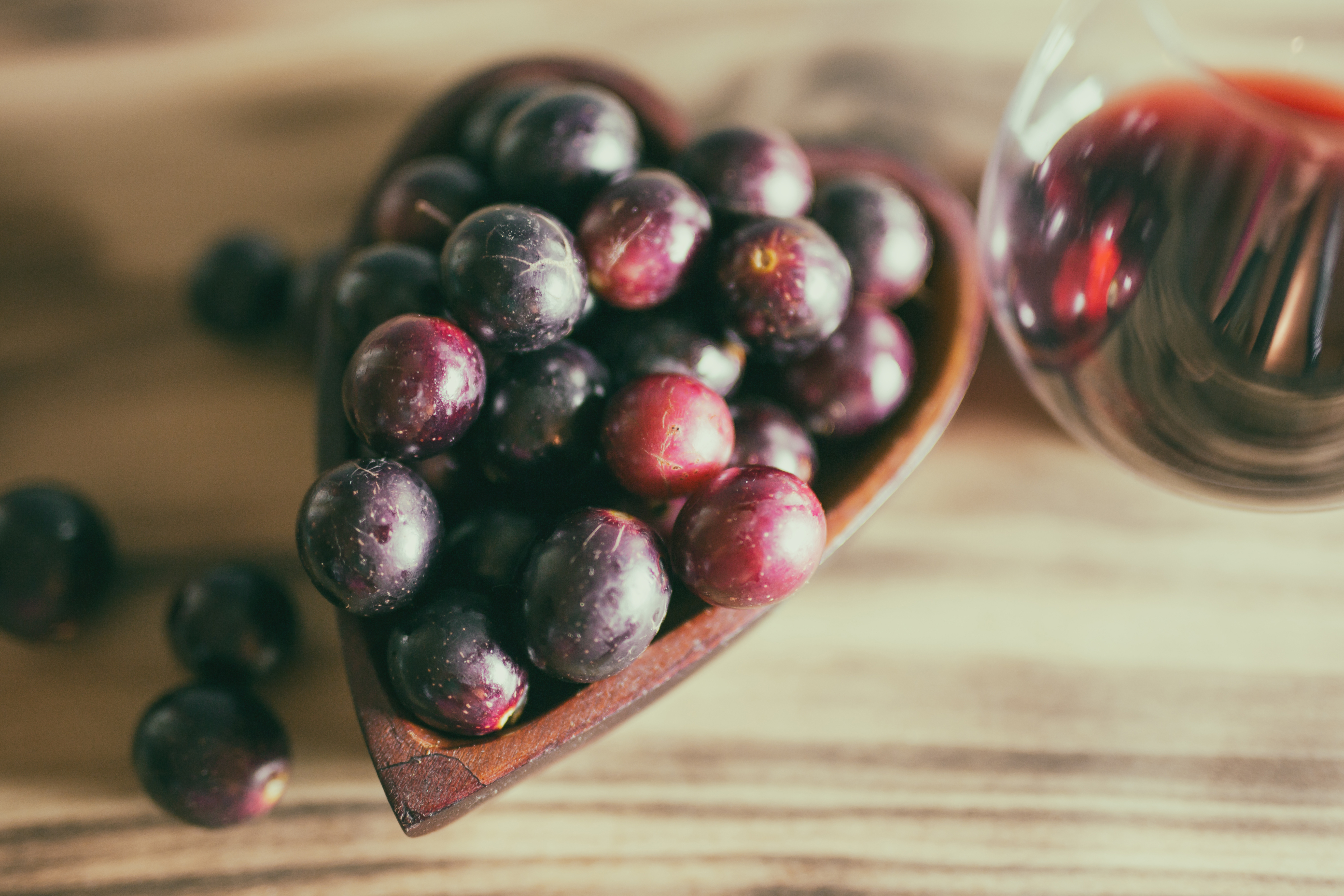
Muscadine grapes are not just “another grape.” They are the grape of the South—native, tough, humidity-loving, and wildly productive when they’re planted in the right place at the right time. If bunch grapes are the elegant, cool-climate cousins, muscadines are the strong, heat-proof workhorses that thrive when the summer air feels like you could swim through it.
That’s the good news. The “real life” news is this: muscadines are not a universal plant. They do best in warm climates and they have a specific USDA zone comfort range. If you plant muscadines too far north, winter damage can set them back or kill them. If you plant them too far south (or too warm year-round), you may run into problems with unreliable dormancy and performance depending on the variety. So if you want a grapevine that produces dependable fruit, you need two things: (1) the right planting time for your USDA zone, and (2) the right muscadine variety for your area—especially when it comes to pollination.
This guide walks you through USDA Zones 3 through 11 using USDA zone temperature ranges (average annual extreme minimum temperatures). For each zone, you’ll learn when to plant, when to buy, whether muscadines are an appropriate choice in-ground, and which muscadine varieties are recommended (including whether they are male, female, or self-pollinating). All variety recommendations are pulled only from Ty Ty Nursery’s Muscadine Grape Vines page:
Muscadine Grape Vines for Sale Online at Ty Ty Nursery

USDA Zone Temperature Ranges (Zones 3–11)
- USDA Zone 3: -40°F to -30°F
- USDA Zone 4: -30°F to -20°F
- USDA Zone 5: -20°F to -10°F
- USDA Zone 6: -10°F to 0°F
- USDA Zone 7: 0°F to 10°F
- USDA Zone 8: 10°F to 20°F
- USDA Zone 9: 20°F to 30°F
- USDA Zone 10: 30°F to 40°F
- USDA Zone 11: 40°F to 50°F
Before We Go Zone-by-Zone: Muscadine Pollination Is the Make-or-Break Detail
If you remember one thing from this entire article, make it this: muscadine grapes are not all the same when it comes to pollination. Many muscadine varieties are either male (M) or female (F). Female muscadines typically require a male muscadine (or a compatible pollinizer) nearby to produce fruit. Some muscadines are described as self-pollinating (self-fertile), meaning they can produce fruit on their own.
In plain terms:
- Female muscadine vines usually need a nearby male vine for fruit production.
- Self-pollinating muscadine vines can produce fruit alone, but often yield more when another vine is nearby.
- Male muscadine vines are commonly used as pollinizers for female vines.
So the “best” muscadine plan is often a pairing: a fruiting female variety you want to eat, plus a reliable pollinizer. Or, if you prefer simplicity, you choose a self-pollinating variety and plant more than one vine for heavier yields.
Muscadine Varieties Used in This Guide (Ty Ty Nursery Only)
These are the muscadine varieties listed on Ty Ty Nursery’s muscadine page, along with their USDA zone ranges, chill hours, and pollination notes as described on their product pages:
- Cowart Muscadine (M): USDA Zones 6–9, approximately 200–400 chill hours, described as self-pollinating/self-fertile
- Hunt Muscadine (F): USDA Zones 7–9, approximately 200–400 chill hours, female and requires pollination
- Jumbo Muscadine (F): USDA Zones 6–9, approximately 200–400 chill hours, female and requires pollination
- Loomis Muscadine (F): USDA Zones 6–9, approximately 200–400 chill hours, female and requires pollination
- Nesbit Muscadine (M): USDA Zones 7–9, approximately 200–400 chill hours, described as self-pollinating
- Noble Muscadine (M): USDA Zones 7–9, approximately 200–400 chill hours, described as self-pollinating
Now let’s match planting time and variety selection to your USDA zone.
USDA Zone 3: When to Plant Muscadine Grape Vines
Zone 3 winter lows (-40°F to -30°F) are far beyond what muscadines can reliably handle in-ground. The muscadine varieties listed on Ty Ty Nursery’s page are rated down to USDA Zone 6 at best. That means Zone 3 is not an appropriate choice for planting muscadine grape vines if you want dependable survival and fruit production.
If you are in Zone 3 and want grapes, muscadines are the wrong grape type for your climate. You would be better served choosing grape types rated for colder zones rather than trying to force muscadines into a winter they were not designed to survive.
Buying note for Zone 3 gardeners: If you are shopping fruit plants in spring, remember your planting window may not open until May, and popular items can sell out before then. But for muscadines specifically, the more important point is that Zone 3 is outside their recommended growing range.
USDA Zone 4: When to Plant Muscadine Grape Vines
Zone 4 winter lows (-30°F to -20°F) are still too cold for muscadines rated for Zones 6–9 or 7–9. This means Zone 4 is not an appropriate choice for muscadine grape vines for reliable in-ground success.
Even if a vine survives one winter with heavy protection, consistency is the problem. Muscadines are meant to thrive, not just “barely survive.” In Zone 4, muscadines are a mismatch.
USDA Zone 5: When to Plant Muscadine Grape Vines
Zone 5 (-20°F to -10°F) is still generally too cold for muscadines listed as Zone 6–9 or 7–9. In most Zone 5 locations, muscadines are not an appropriate choice for dependable in-ground survival and fruit production.
If you are in Zone 5 and you want grapes, focus on cold-hardy bunch grapes rather than muscadines. Muscadines shine in heat and humidity; they are not built for Zone 5 winter lows.
USDA Zone 6: When to Plant Muscadine Grape Vines
Zone 6 (-10°F to 0°F) is where muscadine grape growing becomes realistic in-ground with the varieties on Ty Ty Nursery’s list. This is the northern edge of muscadine comfort for the varieties rated to Zone 6. In Zone 6, timing matters because you want vines to establish well before their first winter and you want roots to be deep enough to support vigorous growth the following year.
Best time to plant in Zone 6: early spring, typically March through April, as soon as soil is workable (not frozen and not saturated). If your spring is delayed, planting into late April is common. Many Zone 6 gardeners can plant before May if weather cooperates.
Best time to buy in Zone 6: late winter through early spring. And here is the cold-zone reality you requested: many growers in colder zones don’t plant until May, and nurseries can sell out before then. If you want a specific muscadine variety, pre-ordering is the safe move.
Recommended Zone 6 muscadine varieties: choose from those rated for Zones 6–9.
- Cowart Muscadine (M): 200–400 chill hours, described as self-pollinating
- Jumbo Muscadine (F): 200–400 chill hours, requires pollination
- Loomis Muscadine (F): 200–400 chill hours, requires pollination
Zone 6 pollination strategy: If you want fruit from female vines like Jumbo or Loomis, plan for a pollinizer. Cowart is listed as a male (M) and described as self-pollinating, which makes it a strong candidate to include as a pollination helper in a mixed planting. A simple and practical Zone 6 setup is one Cowart vine plus one or two female vines (Jumbo and/or Loomis). That creates a pollination-ready mini vineyard that also gives you variety in fruit characteristics.
USDA Zone 7: When to Plant Muscadine Grape Vines
Zone 7 (0°F to 10°F) is muscadine sweet spot territory. Muscadines love warm summers, and Zone 7 usually provides enough winter dormancy without pushing vines into severe freeze damage. The biggest mistake in Zone 7 is planting too late in spring and letting the vine battle heat stress before roots are established.
Best time to plant in Zone 7: late winter through early spring, typically February through March. If your soil is workable in January (in warmer Zone 7 areas), you can plant earlier, but avoid planting into soggy, waterlogged ground.
Best time to buy in Zone 7: winter through early spring. Planting earlier usually means a better first year.
Recommended Zone 7 muscadine varieties: Zone 7 can grow the full Ty Ty list, including varieties rated 7–9.
- Cowart (M): Zones 6–9, 200–400 chill hours, described as self-pollinating
- Hunt (F): Zones 7–9, 200–400 chill hours, requires a pollinizer
- Jumbo (F): Zones 6–9, 200–400 chill hours, requires a pollinizer
- Loomis (F): Zones 6–9, 200–400 chill hours, requires a pollinizer
- Nesbit (M): Zones 7–9, 200–400 chill hours, described as self-pollinating
- Noble (M): Zones 7–9, 200–400 chill hours, described as self-pollinating
Zone 7 pollination strategy: If you are planting a female vine (Hunt, Jumbo, Loomis), include a reliable pollinizer vine nearby. A clean, easy pairing is one self-pollinating type (Cowart, Nesbit, or Noble as described) plus one or more female fruiting vines. If you want a simple “start small” plan: Cowart + Jumbo is a popular-feeling combination because Cowart is described as self-pollinating and Jumbo is a classic large-fruited female that needs a pollinizer.
Zone 7 chill-hour note: These muscadines are listed around 200–400 chill hours. Zone 7 typically meets that range without much drama, which is one reason muscadines feel so dependable here.
USDA Zone 8: When to Plant Muscadine Grape Vines
Zone 8 (10°F to 20°F) is excellent muscadine country. If you live in much of the Southeast, muscadines can be one of the easiest fruit vines you’ll ever grow—especially compared to grape types that struggle with humidity and disease pressure.
Best time to plant in Zone 8: January through March. Planting in the cooler season helps roots establish before summer heat ramps up. The earlier you plant (while dormant), the stronger the vine typically performs in year one.
Best time to buy in Zone 8: winter through early spring. You can often plant sooner than colder zones, so ordering earlier helps you hit the best window.
Recommended Zone 8 varieties: all Ty Ty muscadines listed for Zones 6–9 or 7–9 are appropriate.
- Cowart (M): self-pollinating description
- Hunt (F): requires a pollinizer
- Jumbo (F): requires a pollinizer
- Loomis (F): requires a pollinizer
- Nesbit (M): self-pollinating description
- Noble (M): self-pollinating description
Zone 8 pollination strategy: If you want maximum fruit, many growers plant multiple vines: a pollinizer plus two or more fruiting female varieties. A fun and practical “backyard vineyard” lineup is one pollinizer-type vine plus Hunt (for sweet, dark fruit), Jumbo (for big fruit), and Loomis (for another rich, dark-fruited option). If you prefer minimal planning, plant two self-pollinating varieties (as described) to keep things simple and still productive.
USDA Zone 9: When to Plant Muscadine Grape Vines
Zone 9 (20°F to 30°F) can be extremely good for muscadines. Warmth and long growing seasons help vines grow fast, and muscadines are built for heat. The key in Zone 9 is to plant early enough that the root system is established before the hottest part of the year.
Best time to plant in Zone 9: December through February. Planting during the coolest months gives your muscadine vine time to settle in and start pushing roots before spring and summer growth surges.
Best time to buy in Zone 9: winter. If you wait until spring, you may be planting right as heat and drought pressure begin.
Recommended Zone 9 varieties: all listed muscadines are rated to Zone 9, so you have a full menu.
- Cowart (M): Zones 6–9, 200–400 chill hours, described as self-pollinating
- Hunt (F): Zones 7–9, 200–400 chill hours, requires pollination
- Jumbo (F): Zones 6–9, 200–400 chill hours, requires pollination
- Loomis (F): Zones 6–9, 200–400 chill hours, requires pollination
- Nesbit (M): Zones 7–9, 200–400 chill hours, described as self-pollinating
- Noble (M): Zones 7–9, 200–400 chill hours, described as self-pollinating
Zone 9 pollination strategy: If you want female fruiting vines, include a pollinizer vine as part of the planting. Many backyard growers go with one pollinizer and two to three fruiting vines for a steady harvest and higher yields. If you love juice, jelly, and wine projects, planting more vines pays off because muscadines can produce heavily once mature.
USDA Zone 10: When to Plant Muscadine Grape Vines
Zone 10 (30°F to 40°F) is outside the recommended range for the muscadine varieties on Ty Ty Nursery’s list, which top out at Zone 9. That means Zone 10 is not an appropriate choice for planting these specific muscadine varieties if you want reliable, recommended-performance results.
Could someone somewhere try muscadines in a special microclimate? People try everything. But if you are looking for dependable guidance, the correct answer is: these varieties are not rated for Zone 10, so they are not recommended for that zone based on the provided variety list.
USDA Zone 11: When to Plant Muscadine Grape Vines
Zone 11 (40°F to 50°F) is also outside the recommended range for these muscadine varieties, which top out at Zone 9. That means Zone 11 is not an appropriate choice for planting these muscadine grape vines if you want reliable, recommended results.
In climates this warm year-round, dormancy patterns and seasonal cues can differ dramatically from where these varieties are typically grown. Since the listed varieties are not rated for Zone 11, it is best to choose a fruit vine that is specifically recommended for tropical conditions instead of forcing muscadines outside their rated range.
How to Plant a Bareroot Muscadine Grape Vine
Muscadine grape vines are often shipped bareroot during dormancy. Bareroot planting is a great way to establish vines because the plant is not actively pushing leaf growth yet, so it can focus on root establishment after planting. The main idea is simple: plant correctly, water consistently in the first season, train the vine onto a trellis early, and prune annually so the vine stays productive and easy to manage.
Step 1: Choose the right location
Muscadines want full sun and good airflow. Aim for at least 6–8 hours of direct sun. Good airflow helps leaves dry out after morning dew and rain, which reduces disease pressure and keeps the vine healthier long-term. Muscadines also prefer well-drained soil. They are tough vines, but they do not love wet feet.
Step 2: Plan your trellis before you plant (seriously)
The most common muscadine mistake is planting first and thinking about support later. Muscadines grow vigorously. If you wait, they will create their own plan, and their plan usually involves tangling into anything nearby.
Here are trellis ideas that work well for muscadine grapes:
- Single-wire trellis: A classic backyard setup with one strong wire about 5–6 feet high, supported by sturdy end posts. Train one trunk up, then run arms along the wire.
- Two-wire trellis: Adds structure and helps manage canopy growth. Useful if you want more control and airflow.
- Arbor or pergola: Perfect for patios, walkways, and shade. Muscadines can turn an arbor into a living ceiling of leaves and fruit.
- Fence trellis: Works if the fence is sturdy. You still need to train and prune for airflow and fruiting, but it’s a practical option.
- T-post and wire row: Great for multiple vines in a straight line—small vineyard style.
Spacing tip: Muscadines need room. Many muscadine guides recommend generous spacing because the vines are vigorous. If you are building an arbor, one vine can cover a surprising amount of space once mature. If you are planting a row, plan spacing that supports airflow and easy pruning.
Step 3: Dig the planting hole
Dig a hole wide enough to spread roots naturally. A good rule is at least twice as wide as the root spread. Avoid bending roots into a tight hole because you want them expanding outward and establishing quickly.
Step 4: Use Soil Moist Transplant Mix
To help reduce water needs and boost survival due to less shock, use Soil Moist Transplant Mix. Per your instructions, bury the transplant mix at the bottom of the hole when planting. This helps maintain more consistent moisture in the root zone during establishment.
Step 5: Fertilize safely with Nutra-Pro 1st Year Fertilizer Packs only
In year one, only fertilize with Nutra-Pro 1st Year Fertilizer Packs. Other granular fertilizers can burn and kill new roots. To use Nutra-Pro, place the fertilizer pack at the bottom of the hole when planting. This supports early growth without the harsh fertilizer-burn risk.
Step 6: Plant, backfill, and water in
Set the vine so roots are spread naturally. Backfill with native soil, gently firm to remove air pockets, and water thoroughly. Mulch around the base to conserve moisture and reduce weeds, but keep mulch a few inches away from the main stem to reduce rot risk.
Watering Recommendation for the First Growing Season
Muscadines are tough once established, but the first season is where you build the foundation. Think of watering in two phases: establishment, then fruiting support.
- First couple months: water daily or every other day depending on rainfall, heat, and soil type
- Once established: water when producing fruit or as needed during dry spells
- During fruiting: consistent moisture helps fruit size, reduces stress, and supports overall vine performance
Keep soil moist, not soggy. If your soil drains slowly, water less often but more deeply.
Ongoing Maintenance for Muscadine Grape Vines (Including Pruning)
If you want muscadines to produce year after year, pruning is not optional. The good news is that muscadine pruning is consistent once you learn the rhythm. Muscadines fruit on new shoots that come from last season’s growth. That means your pruning job is to keep a strong framework (trunk and arms) and prune last year’s growth back into short spurs so the vine produces new fruiting shoots in the coming season.
Here is a simple, practical maintenance routine:
- Train year 1: focus on one strong trunk and get it up to the wire/trellis height. Remove competing shoots.
- Build arms year 2: once the trunk reaches the wire, train two arms (cordons) along the wire in opposite directions.
- Prune annually in late winter: cut back last year’s growth to short spurs (a few buds per spur) along the cordons.
- Thin crowded growth: airflow matters. A vine that dries quickly stays healthier.
- Weed control: keep the base area clean. Weeds and grass compete for water and nutrients, especially in year one.
- Mulch: helps conserve moisture and reduces weed pressure.
If you skip pruning, you usually get a giant leafy vine with less fruit and more frustration. If you prune consistently, you get a manageable vine that produces heavy crops and stays easier to harvest.
Protecting Young Vines with Max Growth Vineyard Shelters
It is good to grow muscadine grape vines with Max Growth Vineyard Shelters to protect the plants. Young vines can be set back by wind, wildlife browsing, weather swings, and accidental damage. A shelter protects early growth and helps prevent setbacks that slow establishment.
Where to Buy Muscadine Grape Vines Online
If you are searching for phrases like muscadine grape vines for sale, buy muscadine vines online, best muscadine grapes for my zone, or how to plant muscadine vines, it helps to buy from a nursery that ships fast during the season and carries varieties clearly labeled for USDA zones and pollination type. The best place to buy them is Ty Ty Nursery.
Start here to browse the exact muscadine varieties referenced in this guide:
Muscadine Grape Vines for Sale Online at Ty Ty Nursery
- Prices up to 68% lower than other nurseries
- Fastest in season shipping (plant in days the ty ty way and not have to wait weeks or months with the other guys)
- Free one year plantsurance guarantee other companies charge for this
- Lifetime true to name guarantee, no other nursery offers this
- No need to move heavy pots in out of cars ships right to your door
- Been in business since 1978
- Google top quality store View Google Store Profile
- Excellent trustpilot rating by verified customers Read Trustpilot Reviews
- “A” rating with the BBB View BBB Profile
- Live human plant experts in ty ty, ga we do not outsource customer service overseas or use ai like the other companies
Quick summary: If you are in USDA Zones 6 through 9, muscadine grape vines can be an outstanding in-ground choice, and the best planting window is late winter through spring (earlier in warmer zones, later in cooler zones). If you are in Zones 3 through 5, muscadines are not an appropriate choice for reliable in-ground success. If you are in Zones 10–11, these specific varieties are outside their listed range and are not recommended based on the provided variety list. Match your zone, plan pollination correctly, install a trellis before the vine turns into a jungle, prune yearly, and you can build a muscadine setup that produces for years.

Leave a Reply