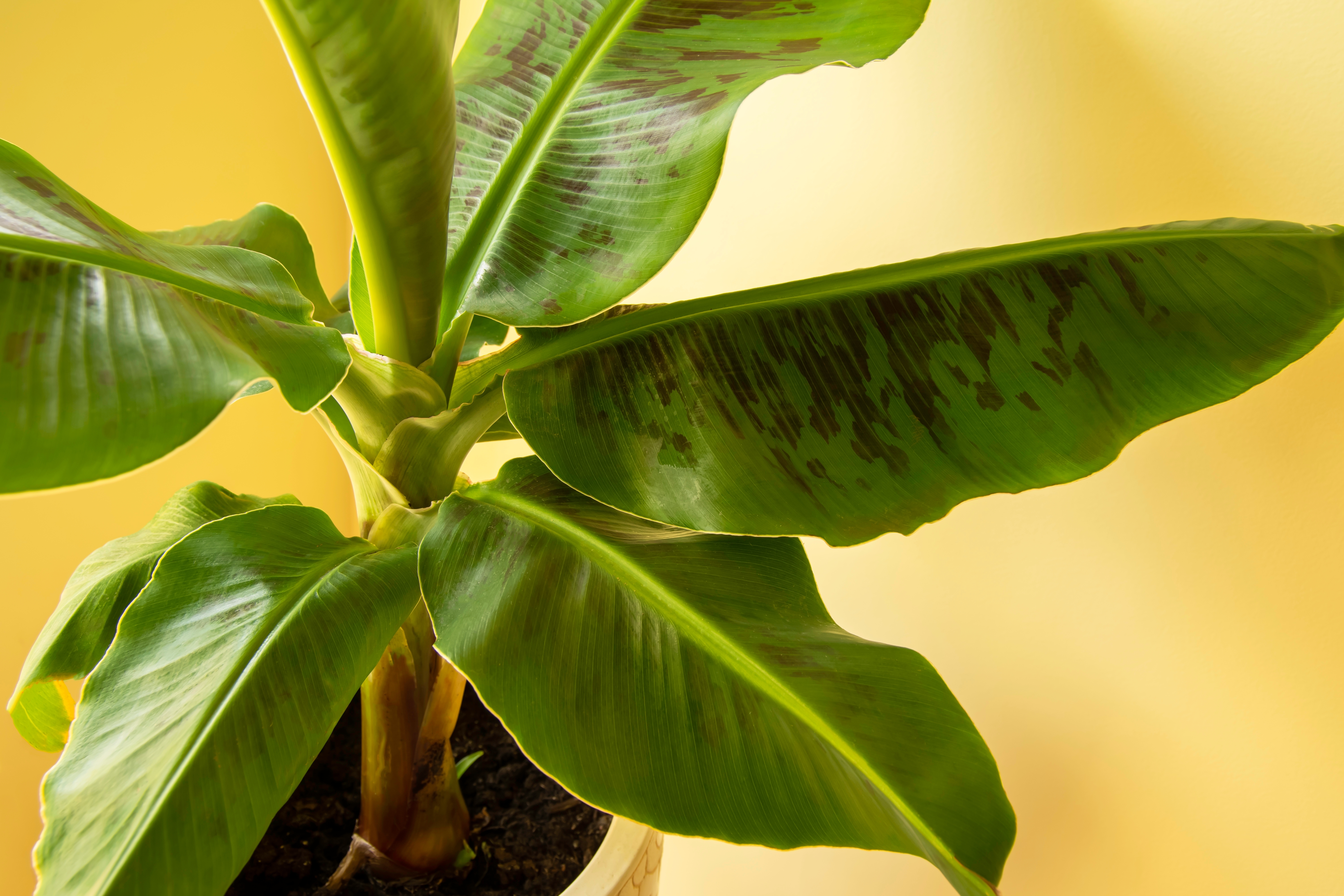
Banana plants have a superpower: they make any space feel happier. Put one by a porch, beside a pool, or in a sunny corner of a yard and suddenly it looks like a tropical vacation brochure. And if you’re growing a fruiting banana variety in the right climate, the experience gets even better—watching a banana plant go from “cute little start” to “I can’t believe how big this is” is genuinely fun.
But bananas are not like apples or peaches where people assume “plant it anywhere and it’ll figure it out.” Banana plants are warm-climate, fast-growing tropical plants. That means the right time to plant bananas depends heavily on your USDA Plant Hardiness Zone, your local frost dates, and whether you’re planting outdoors in-ground or growing bananas in containers indoors (greenhouses, sun rooms, covered patios, and bright indoor spaces). This is why the Patio Dwarf Banana Plant is so loved—it fits the indoor container lifestyle in a way that feels realistic and doable.
In this guide, we’ll use the USDA zone temperature ranges and walk through USDA Zones 3 through 11. For each zone, you’ll learn:
- When to plant banana plants in your zone (and when to buy or pre-order)
- Which banana varieties make sense for your climate using only Ty Ty Nursery’s banana variety page
- Whether bananas are an appropriate choice for your zone (and what to do if they aren’t)
- Why bananas don’t need pollinators (and why “chill hours” aren’t really a banana thing)
- How to plant bareroot banana plants outdoors, plus potting instructions for indoor growing
- First-season watering and simple long-term maintenance, including pruning
All variety recommendations in this article come only from Ty Ty Nursery’s Banana Plants page so you can shop the exact plants discussed here:
Banana Plants for Sale Online at Ty Ty Nursery

USDA Zone Temperature Ranges (Zones 3–11)
- USDA Zone 3: -40°F to -30°F
- USDA Zone 4: -30°F to -20°F
- USDA Zone 5: -20°F to -10°F
- USDA Zone 6: -10°F to 0°F
- USDA Zone 7: 0°F to 10°F
- USDA Zone 8: 10°F to 20°F
- USDA Zone 9: 20°F to 30°F
- USDA Zone 10: 30°F to 40°F
- USDA Zone 11: 40°F to 50°F
Banana “Chill Hours” and Pollination Needs (Good News: Simple)
Let’s clear up two things that confuse people when they’re coming from the fruit-tree world:
- Chill hours: Banana plants do not need winter chill hours like apples, peaches, blueberries, or almonds. Bananas are warm-season growers. Cold weather typically slows them down or damages foliage, rather than “helping” them reset.
- Pollination: Most edible bananas grown for fruit are effectively self-sufficient for fruiting, and many common edible types produce fruit without needing cross-pollination. In practical backyard terms: you typically do not need a second banana plant for pollination the way you might with some fruit trees.
So if you’re choosing banana varieties, your biggest “success factors” are USDA zone fit, how much warmth and time you have in your growing season, and whether you’re growing outdoors in-ground or indoors in containers.
Banana Variety Types: Fruiting vs Ornamental (and Why It Matters)
On Ty Ty Nursery’s banana page, you’ll see fruiting banana varieties and at least one famous cold-hardy ornamental banana type. Here’s the practical difference:
- Fruiting bananas: These are grown for tropical-looking foliage and, in warm enough climates, real banana bunches. They usually need longer warmth to fruit reliably.
- Cold-hardy ornamental bananas: These are grown mainly for tropical foliage and landscape impact. They can tolerate cooler climates but may not fruit in most cooler regions.
That’s not “good vs bad.” It’s just choosing the right banana for your goal. If you want a true edible banana harvest, you’ll usually do best in warmer zones. If you want a dramatic tropical look in a cooler zone, cold-hardy ornamental types and container strategies are your friend.
Banana Varieties Used in This Guide (Ty Ty Nursery Only)
These are the banana varieties shown on Ty Ty Nursery’s Banana Plants page, along with the USDA zones listed on that page:
- Brazilian Dwarf Banana Tree (USDA Zones 8–11)
- Carolina King Banana Tree (USDA Zones 7–10)
- Cavendish Dwarf Banana Tree (USDA Zones 8–11)
- Golden Rhino Horn Banana Tree (USDA Zones 7–10)
- Grand Nain Banana Tree (USDA Zones 9–11)
- Mysore Banana Tree (USDA Zones 8–11)
- Nam Wah Banana Tree (USDA Zones 8–11)
- Patio Dwarf Banana Tree (USDA Zones 3–11)
- Rajapuri Banana Tree (USDA Zones 8–11)
- Texas Star Banana Tree (USDA Zones 7–11)
- Basjoo Cold Hardy Banana Tree (USDA Zones 7–11)
- Variegated Musa meta-chimera Banana Tree (USDA Zones 9–10)
Now let’s go zone by zone from USDA Zone 3 through USDA Zone 11.
USDA Zone 3: When to Plant Banana Plants
Zone 3 is deep-winter country, with minimum temperatures between -40°F and -30°F. That is not an appropriate climate for in-ground banana plants as a year-round outdoor plant. Even “cold hardy” bananas are not designed to live through Zone 3 winters outdoors in-ground without extreme intervention.
So are bananas an appropriate choice in Zone 3? Outdoors in-ground, no. But bananas can still be enjoyed in Zone 3 as an indoor/container plant with the right setup. This is where the Patio Dwarf Banana Tree shines, because it is popular specifically for container growing and indoor-friendly spaces like greenhouses, sun rooms, and covered patios.
Best time to plant in Zone 3 (container strategy): You can pot up and start indoors whenever you can provide warmth and bright light. If you plan to move the plant outdoors for summer, do it after all hard frost risk is over—typically late May through early June.
Best time to buy in Zone 3: Pre-order early. Cold-zone growers often don’t plant outdoors until May, but inventory can be sold out long before then. Pre-ordering helps you reserve your plant for the season.
Best Zone 3 banana pick from this list: Patio Dwarf Banana Tree (Zones 3–11). For Zone 3, treat it as a container plant that vacations outside in summer and comes back indoors for winter.
USDA Zone 4: When to Plant Banana Plants
Zone 4 is still very cold (-30°F to -20°F). Like Zone 3, bananas are not an appropriate choice for dependable, year-round in-ground outdoor growing. However, bananas can still be grown as seasonal container plants and enjoyed indoors with special arrangements.
Best time to plant in Zone 4 (container strategy): Pot indoors in late winter or early spring, then move outdoors after frost risk drops. Most Zone 4 gardeners place bananas outside in late May once nights stop flirting with freezing.
Buy/pre-order tip: Zone 4 planting often happens in May. If you wait until May to buy, you may be shopping what’s left. Pre-ordering is smart.
Best Zone 4 banana pick from this list: Patio Dwarf Banana Tree (Zones 3–11). It fits the indoor/container lifestyle that makes bananas possible in cold climates.
USDA Zone 5: When to Plant Banana Plants
Zone 5 (-20°F to -10°F) is still too cold for most bananas to live outdoors in-ground year-round. For most Zone 5 growers, bananas are best treated as seasonal container plants unless you are using very specific protection strategies. From a practical “what actually works” standpoint, bananas are not an appropriate year-round in-ground choice in Zone 5.
Best time to plant in Zone 5: As containers, you can pot earlier indoors, but outdoor placement usually starts in late April through May after frost danger fades.
Pre-order reminder: Cold-zone growers often plant in May. Pre-ordering prevents the “sold out in spring” frustration.
Best Zone 5 banana pick from this list: Patio Dwarf Banana Tree (Zones 3–11), grown in a container and moved inside for winter.
USDA Zone 6: When to Plant Banana Plants
Zone 6 (-10°F to 0°F) is still borderline for bananas as a year-round in-ground plant. Most fruiting banana varieties listed on Ty Ty Nursery’s page begin at Zones 7–11 or 8–11. That means Zone 6 is generally not an appropriate in-ground climate for those fruiting types.
However, Zone 6 is a fantastic zone for bananas as container patio plants that live outdoors from spring through fall and move to a protected space for winter. A large pot on a sunny patio is often the simplest, happiest solution.
Best time to plant in Zone 6 (container strategy): Start indoors in late winter or early spring, then move outside after frost risk drops—often April through early May.
Best Zone 6 banana pick from this list: Patio Dwarf Banana Tree (Zones 3–11). For Zone 6, it’s the easiest variety to build an indoor/outdoor routine around.
USDA Zone 7: When to Plant Banana Plants
Zone 7 (0°F to 10°F) is where banana growing starts to open up—especially for landscape bananas and some fruiting types on the Ty Ty list that begin at Zone 7.
Best time to plant in Zone 7: Late winter to early spring is often possible, but most growers see the best results planting after soils begin warming and the threat of hard freezes has eased. A great target is March through April. If your area still gets late freezes, planting in April is a safe play.
When to buy in Zone 7: Late winter through early spring. And yes—pre-ordering helps if you want a specific variety, because popular bananas can sell out by the time late spring arrives.
Recommended Zone 7 varieties from Ty Ty Nursery:
- Carolina King Banana Tree (Zones 7–10)
- Golden Rhino Horn Banana Tree (Zones 7–10)
- Texas Star Banana Tree (Zones 7–11)
- Basjoo Cold Hardy Banana Tree (Zones 7–11) – great for tropical foliage impact
- Patio Dwarf Banana Tree (Zones 3–11) – perfect for containers and indoor-friendly spaces
Zone 7 practical advice: If you want the “banana look” with less worry, Basjoo is a strong landscape pick. If you want fruit in Zone 7, focus on giving fruiting varieties maximum heat, sun, and season length—and understand that fruiting is more reliable as you move into Zones 8–11.
USDA Zone 8: When to Plant Banana Plants
Zone 8 (10°F to 20°F) is banana-friendly for many fruiting types. Winters are mild enough that bananas can survive well in-ground and grow vigorously once warm weather arrives.
Best time to plant in Zone 8: February through April. Many Zone 8 areas can plant earlier because soil warms earlier and hard freezes are less common.
When to buy in Zone 8: Late winter through early spring so you can plant early and establish roots before summer heat.
Recommended Zone 8 banana varieties from Ty Ty Nursery:
- Brazilian Dwarf (Zones 8–11)
- Cavendish Dwarf (Zones 8–11)
- Mysore (Zones 8–11)
- Nam Wah (Zones 8–11)
- Rajapuri (Zones 8–11)
- Carolina King (Zones 7–10)
- Golden Rhino Horn (Zones 7–10)
- Texas Star (Zones 7–11)
- Basjoo Cold Hardy (Zones 7–11)
- Patio Dwarf (Zones 3–11)
Zone 8 variety tips: If you love the idea of edible bananas with manageable size, dwarf types like Brazilian Dwarf or Cavendish Dwarf are popular choices. If you want a strong “tropical vibe” plant that also performs well, Texas Star and Basjoo are eye-catchers.
USDA Zone 9: When to Plant Banana Plants
Zone 9 (20°F to 30°F) is prime banana territory. Bananas grow fast, fruiting becomes more realistic, and the growing season is long enough that plants can really stretch out and perform.
Best time to plant in Zone 9: January through March, and in many areas you can plant even earlier during warm winters. The goal is to establish roots before heat ramps up.
When to buy in Zone 9: Winter is ideal. Planting early helps your banana plant build a strong root system for the warm season.
Recommended Zone 9 varieties from Ty Ty Nursery:
- Grand Nain (Zones 9–11)
- Variegated Musa meta-chimera (Zones 9–10)
- Texas Star (Zones 7–11)
- Brazilian Dwarf (Zones 8–11)
- Cavendish Dwarf (Zones 8–11)
- Mysore (Zones 8–11)
- Nam Wah (Zones 8–11)
- Rajapuri (Zones 8–11)
- Carolina King (Zones 7–10)
- Golden Rhino Horn (Zones 7–10)
- Basjoo Cold Hardy (Zones 7–11)
- Patio Dwarf (Zones 3–11)
Zone 9 fruiting mindset: If you want fruit, give the plant maximum sun, steady moisture, and space. Fruiting types generally perform best when they’re not stressed.
USDA Zone 10: When to Plant Banana Plants
Zone 10 (30°F to 40°F) is also excellent for bananas. The focus shifts from “can it survive?” to “how fast can it grow and how big can it get?”
Best time to plant in Zone 10: December through February. Planting in the coolest months gives roots time to establish before spring and summer growth surges.
Recommended Zone 10 varieties from Ty Ty Nursery:
- Brazilian Dwarf (Zones 8–11)
- Cavendish Dwarf (Zones 8–11)
- Mysore (Zones 8–11)
- Nam Wah (Zones 8–11)
- Rajapuri (Zones 8–11)
- Grand Nain (Zones 9–11)
- Texas Star (Zones 7–11)
- Carolina King (Zones 7–10)
- Golden Rhino Horn (Zones 7–10)
- Basjoo Cold Hardy (Zones 7–11)
- Variegated Musa meta-chimera (Zones 9–10)
- Patio Dwarf (Zones 3–11)
Zone 10 note: This is a great zone for building a “banana collection” because you have room to mix dwarf fruiting bananas, ornamental statement bananas, and patio/container bananas all in one landscape plan.
USDA Zone 11: When to Plant Banana Plants
Zone 11 (40°F to 50°F) is tropical/near-tropical, and bananas love that kind of warmth. In Zone 11, bananas can be planted nearly year-round, but you still get the best establishment when you plant during a time of mild temperatures and consistent moisture.
Best time to plant in Zone 11: Any time the weather is mild and you can water consistently. Many growers still prefer planting in the “cooler” season because it reduces transplant stress, but Zone 11 doesn’t have the same hard-winter constraints as other zones.
Recommended Zone 11 varieties from Ty Ty Nursery: any listed as Zones 8–11, 9–11, 7–11, or 3–11.
- Brazilian Dwarf (Zones 8–11)
- Cavendish Dwarf (Zones 8–11)
- Mysore (Zones 8–11)
- Nam Wah (Zones 8–11)
- Rajapuri (Zones 8–11)
- Grand Nain (Zones 9–11)
- Texas Star (Zones 7–11)
- Basjoo Cold Hardy (Zones 7–11)
- Patio Dwarf (Zones 3–11)
Zone 11 tip: In very warm climates, the challenge can be moisture consistency and wind exposure. Deep mulching and thoughtful placement help bananas look their best.
How to Plant a Bareroot Banana Plant Outdoors
Bananas are often shipped without a big leafy top (and sometimes with foliage trimmed back). That’s normal. A healthy banana plant focuses on the growing point and root system, and the first new leaf emerging from the center is the “all good” sign that growth has resumed.
Step 1: Choose the right planting site
- Sun: Full sun is best for strong growth and potential fruit production.
- Drainage: Bananas like moisture, but they do not like standing water around roots.
- Wind: Pick a spot protected from strong wind if possible. Banana leaves can tear in high wind.
Step 2: Dig the hole
Dig a hole wide enough to spread roots naturally. Bananas appreciate loosened soil around the planting area because they grow fast and establish quickly when roots can expand easily.
Step 3: Use Soil Moist Transplant Mix
To help reduce water needs and boost survival due to less shock, use Soil Moist Transplant Mix. Per your instructions, bury it at the bottom of the hole when planting. This helps maintain more consistent moisture around the root zone as the plant establishes.
Step 4: Fertilize safely with Nutra-Pro 1st year fertilizer packs only
Only fertilize with Nutra-Pro 1st year fertilizer packs during year one. Other granular fertilizers can burn and kill the roots. To use Nutra-Pro, simply place the fertilizer pack at the bottom of the hole when planting.
Step 5: Plant, backfill, and water in
Set the banana plant at a natural depth (do not bury it excessively deep), backfill with soil, gently firm, and water thoroughly. Add mulch to conserve moisture and suppress weeds, but keep mulch a couple inches away from the main stem/pseudostem base to reduce rot risk.
Indoor Container Potting Instructions (Greenhouses, Sun Rooms, Covered Patios)
This is where bananas become “possible for everyone,” even in cold zones. The Patio Dwarf Banana Plant is a favorite because it fits container life well.
- Pot size: Start with a container large enough for root growth and stability. A heavier pot helps prevent tipping as the plant grows.
- Soil: Use a quality, well-draining potting mix. Bananas like moisture, but containers must drain well to prevent root issues.
- Light: Bright light is crucial—sun rooms, greenhouses, or very bright patios work best. Indoor bananas often need more light than people expect.
- Temperature: Keep the plant warm. Bananas slow down in cool conditions.
- Water: Water thoroughly, then allow excess water to drain. Never let the pot sit in standing water.
Indoor bananas can be grown for tropical foliage, and in the right warm, bright setup, some people even push fruiting types in large containers. The key is consistent warmth, light, and patience.
Watering Recommendation for the First Growing Season
Your requested watering schedule (with banana reality baked in):
- First couple months: once the first leaf begins to come out of the center of the plant, water daily or every other day depending on rainfall and soil moisture.
- Once established: water when producing fruit or as needed, especially during dry spells.
Bananas like consistent moisture, especially during active growth. If the plant is in a container, it may dry out faster than in-ground plantings—check moisture regularly during hot weather.
Ongoing Banana Plant Maintenance (Including Pruning)
Banana maintenance is simpler than many people think. The main jobs are watering, feeding (carefully), and removing old growth.
- Remove damaged leaves: It’s normal for banana leaves to tear in wind or look rough after cold snaps. You can trim damaged leaves to keep the plant tidy.
- Remove old leaves: As leaves age and yellow, trim them off to keep airflow and appearance clean.
- Manage pups: Banana plants often produce “pups” (new shoots). Depending on your goal, you can keep a few for a fuller clump or thin them to focus energy on the main plant.
- Cold-season cleanup: In borderline zones, bananas may die back above ground in winter. New growth can return when warm weather arrives (especially with hardy landscape types).
If you’re growing fruiting bananas outdoors in warm zones, consistent growing conditions help the plant build enough size and strength to fruit. Bananas tend to reward steady care more than “on and off” attention.
Where to Buy Banana Plants Online
If you’re searching for phrases like banana plants for sale, buy banana trees online, patio dwarf banana plant, cold hardy banana, or best banana plant for my USDA zone, the best place to buy them is Ty Ty Nursery.
Browse all banana varieties referenced in this guide here:
Banana Plants for Sale Online at Ty Ty Nursery
- Prices up to 68% lower than other nurseries
- Fastest in season shipping (plant in days the ty ty way and not have to wait weeks or months with the other guys)
- Free one year plantsurance guarantee other companies charge for this
- Lifetime true to name guarantee, no other nursery offers this
- No need to move heavy pots in out of cars ships right to your door
- Been in business since 1978
- Google top quality store View Google Store Profile
- Excellent trustpilot rating by verified customers Read Trustpilot Reviews
- “A” rating with the BBB View BBB Profile
- Live human plant experts in ty ty, ga we do not outsource customer service overseas or use ai like the other companies
Quick zone summary: From Ty Ty Nursery’s listed zone ranges, fruiting bananas are most straightforward outdoors in USDA Zones 7–11 depending on the variety. In Zones 3–6, bananas are generally not an appropriate in-ground year-round plant, but container growing indoors (greenhouses, sun rooms, covered patios) makes banana growing realistic—especially with the Patio Dwarf Banana Plant.
Leave a Reply