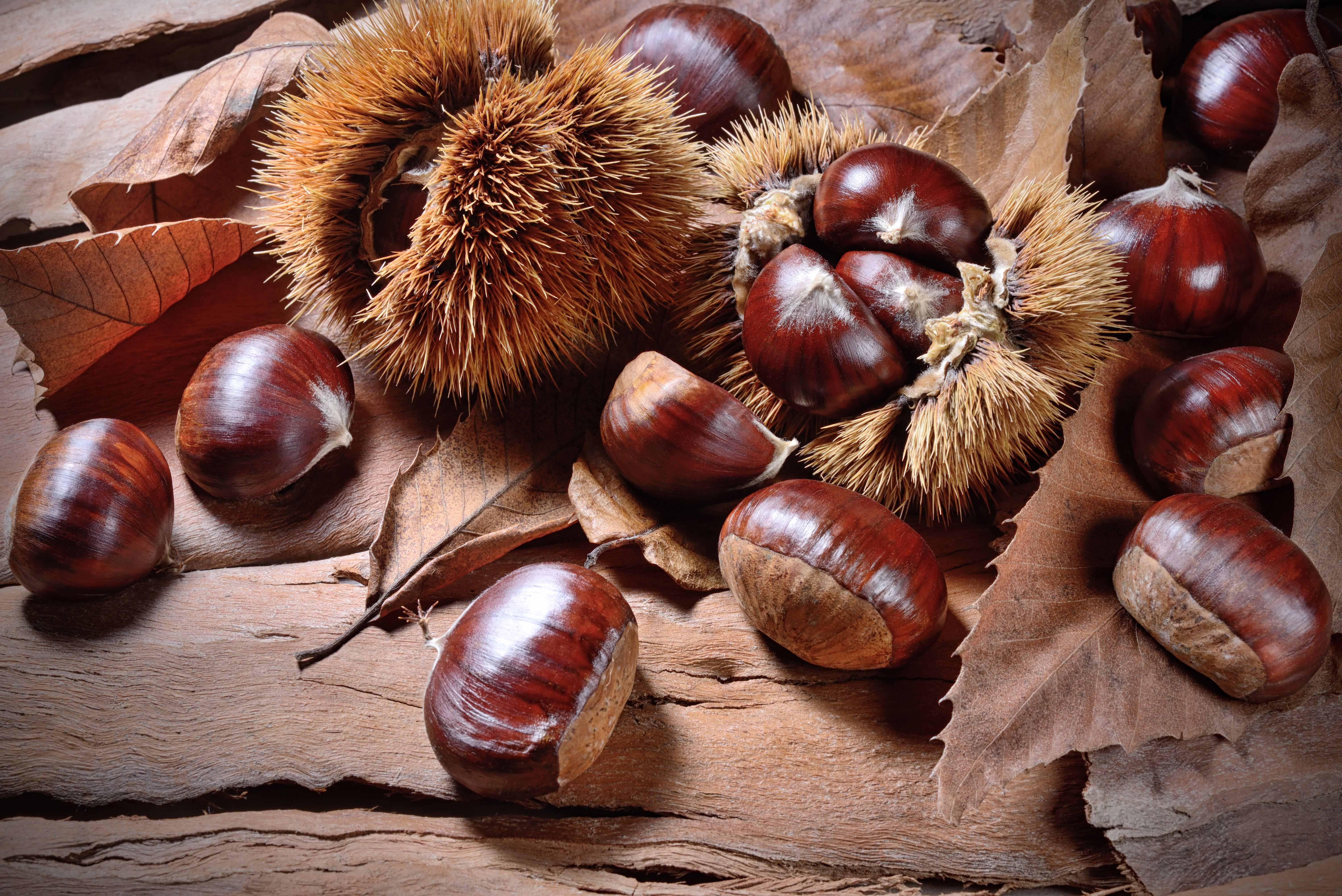
Chestnut trees are a little bit magical. They’re one of the few nut trees that feel both “old world” and perfectly at home in a modern backyard. They make a stunning shade tree, they can feed wildlife, and when you get them established correctly, they give you a fall harvest that feels like a tradition you created yourself. And yes—roasting chestnuts at home hits different when you grew them.
But chestnuts are not a “plant one anywhere and hope” kind of tree. The right planting time depends on your USDA Plant Hardiness Zone, and successful nut production depends heavily on chill hours and cross-pollination. Chestnuts also have one important reality that surprises people: you cannot grow chestnut trees in containers. Chestnuts need the ground. They need room. They need a real root zone. If you’re in a zone that isn’t appropriate for chestnuts, the right answer is not “try it in a pot.” The right answer is “choose a different tree.”
This guide will walk you through USDA Zones 3 through 11 using the USDA zone temperature ranges (average annual extreme minimum temperatures). For each zone, you’ll learn:
- When to plant chestnut trees in your zone
- When to buy and why pre-ordering matters in colder zones (many people plant in May)
- Which chestnut varieties fit your zone (using only the varieties on Ty Ty Nursery’s chestnut page)
- Chill hour guidance so you pick a variety that actually performs
- Pollination planning (this is the make-or-break detail for nut production)
- How to plant bare-root chestnut trees and care for them in year one
All chestnut variety recommendations in this article come only from Ty Ty Nursery’s Chestnut Trees page:
Chestnut Trees for Sale Online at Ty Ty Nursery

USDA Zone Temperature Ranges (Zones 3–11)
- USDA Zone 3: -40°F to -30°F
- USDA Zone 4: -30°F to -20°F
- USDA Zone 5: -20°F to -10°F
- USDA Zone 6: -10°F to 0°F
- USDA Zone 7: 0°F to 10°F
- USDA Zone 8: 10°F to 20°F
- USDA Zone 9: 20°F to 30°F
- USDA Zone 10: 30°F to 40°F
- USDA Zone 11: 40°F to 50°F
Before We Go Zone-by-Zone: Chestnuts Need Chill Hours and Cross-Pollination
If you want chestnuts (not just a tree), you need two things dialed in: chill hours and cross-pollination.
Chill Hours (Why Chestnuts Care)
Chill hours are the amount of cool winter time a tree experiences in dormancy. Chestnut varieties have recommended chill hour ranges, and those ranges influence flowering and nut production. For example:
- American Chestnut: approximately 500–1,000 chill hours
- Chinese Chestnut: approximately 400–700 chill hours
- Colossal Chestnut: approximately 500–700 chill hours
- Revival Chestnut: approximately 500–1,000 chill hours
Those ranges matter because if your winters are consistently too mild, flowering and nut set can be weaker. If your winters are too severe for the variety, you may have survival issues. Matching variety to zone is how you avoid heartbreak later.
Pollination (The Most Important Rule)
Chestnuts require cross-pollination for optimal nut production. That means one chestnut tree is usually not enough if you want dependable harvests. You should plan on planting at least two chestnut trees, ideally compatible types with overlapping bloom timing.
Ty Ty Nursery’s variety pages state cross-pollination requirements clearly, including planting at least two trees for American and Chinese chestnuts, and pairing Colossal with compatible varieties such as Revival or Chinese. That’s the simple rule: no pair, no harvest.
Chestnut Varieties Used in This Guide (Ty Ty Nursery Only)
These are the chestnut varieties listed on Ty Ty Nursery’s chestnut page and used throughout this guide:
- American Chestnut Tree (USDA Zones 3–9)
- Chinese Chestnut Tree (USDA Zones 5–10)
- Colossal Chestnut Tree (USDA Zones 5–9)
- Revival Chestnut Tree (USDA Zones 5–9)
Now let’s talk timing and variety selection zone-by-zone, starting with USDA Zone 3.
USDA Zone 3: When to Plant Chestnut Trees
Zone 3 is cold, full stop. Winter minimums range from -40°F to -30°F, and spring soil often stays frozen deep into April. The good news is that one chestnut option from Ty Ty Nursery is rated for Zone 3: American Chestnut Tree (Zones 3–9). If you are in Zone 3 and want chestnuts, this is your correct starting point.
Best time to plant in Zone 3: late April through late May, depending on soil thaw. Many Zone 3 gardeners realistically plant in May when the ground is workable and not waterlogged. This is exactly why colder zones should pre-order: by the time Zone 3 is ready to plant in May, many nurseries have already moved a lot of spring inventory.
Best time to buy in Zone 3: pre-order in late winter or early spring. If you wait until your planting window opens in May, you may be limited to what’s left.
Recommended Zone 3 chestnut plan: plant two American Chestnut trees for cross-pollination and nut production. American chestnut is listed as requiring cross-pollination and recommends planting at least two trees for optimal nut production.
Chill-hour match: Zone 3 easily satisfies the American chestnut’s chill-hour needs, which are listed around 500–1,000 chill hours. The bigger Zone 3 challenge is getting the trees planted at the correct time and establishing roots before the next winter.
USDA Zone 4: When to Plant Chestnut Trees
Zone 4 winter minimums range from -30°F to -20°F. Zone 4 is still a “real winter” zone, but it’s more forgiving than Zone 3. From the Ty Ty Nursery chestnut list, the best fit for Zone 4 is still the American Chestnut Tree (Zones 3–9). The other chestnuts begin at Zone 5 or Zone 6.
Best time to plant in Zone 4: mid-April through May. Plant as soon as the soil is workable and you can dig a proper hole without hitting frozen layers.
Best time to buy in Zone 4: pre-order early. Many Zone 4 growers plant in May, and May is also when the “everyone is planting everything” rush hits. You don’t want to be shopping the leftovers.
Recommended Zone 4 chestnut plan: plant two American Chestnut trees for cross-pollination. One tree may grow, but nut production depends on cross-pollination, so you want a pair from day one.
USDA Zone 5: When to Plant Chestnut Trees
Zone 5 is where chestnut options expand. Winter minimums range from -20°F to -10°F, and you have multiple chestnut varieties from the Ty Ty Nursery list that fit this climate.
Best time to plant in Zone 5: March through April in many areas, but late April into May is common in colder microclimates. The goal is planting while trees are dormant and the soil is workable. If your ground stays frozen late, you’re not “behind”—you’re normal.
Best time to buy in Zone 5: pre-order early. Zone 5 often has a May planting window, and that’s exactly when nurseries can sell out of popular varieties.
Recommended Zone 5 chestnut varieties:
- American Chestnut (Zones 3–9, 500–1,000 chill hours, cross-pollination required)
- Chinese Chestnut (Zones 5–10, 400–700 chill hours, cross-pollination required)
- Colossal Chestnut (Zones 5–9, 500–700 chill hours, cross-pollination required)
- Revival Chestnut (Zones 5–9, 500–1,000 chill hours, cross-pollination required)
Zone 5 pollination strategy: You need at least two trees. A very practical pairing is Colossal + Revival (Colossal’s page specifically lists Revival as a compatible pollination partner). Another simple strategy is planting two Chinese chestnuts or two American chestnuts. If you want both heritage and performance, mixing compatible varieties helps pollination and can diversify harvest characteristics.
Chill-hour strategy in Zone 5: Zone 5 typically provides plenty of chill for all chestnut varieties listed here. Your real focus becomes planting timing, soil drainage, and long-term spacing.
USDA Zone 6: When to Plant Chestnut Trees
Zone 6 (-10°F to 0°F) is an excellent chestnut zone for most of these varieties. Winters provide meaningful chill without being as harsh as Zones 3–4, and the growing season is long enough for strong yearly growth.
Best time to plant in Zone 6: late February through April. Many Zone 6 growers can plant as soon as the soil is workable. If spring rains keep soil saturated, wait until drainage improves. Chestnuts prefer well-drained soils.
Best time to buy in Zone 6: late winter through early spring. You can often plant earlier than colder zones, so buying early lets you hit the best window.
Recommended Zone 6 varieties: American (3–9), Chinese (5–10), Colossal (5–9), Revival (5–9) all fit Zone 6.
Zone 6 pollination strategy: Create a pair that overlaps in bloom and fits your goals. For large nuts, Colossal + Revival is a classic style pairing. If you want blight resistance emphasis and strong adaptability, two Chinese chestnuts is a clean plan. If you want native legacy, plant two American chestnuts. If you want the “mix and match orchard” approach, plant two different compatible varieties for a more diverse planting.
USDA Zone 7: When to Plant Chestnut Trees
Zone 7 (0°F to 10°F) is a strong zone for chestnut trees. Planting windows begin earlier, and trees can establish faster because the ground warms sooner.
Best time to plant in Zone 7: late winter through early spring, typically February through March. Planting early is helpful because it gives the roots time to settle before summer heat arrives.
Best time to buy in Zone 7: winter through early spring. You have a broader planting window than colder zones, but early buying gives you the best selection.
Recommended Zone 7 varieties: all Ty Ty chestnuts fit Zone 7: American, Chinese, Colossal, Revival.
Zone 7 pollination strategy: The easiest, most productive plan is two different chestnut varieties planted within pollination distance. If you want big nuts, pair Colossal with Revival or Chinese. If you want simple and uniform, plant two of the same variety (two American or two Chinese). The key is “two trees minimum.”
USDA Zone 8: When to Plant Chestnut Trees
Zone 8 (10°F to 20°F) is still well within the range for several chestnut varieties, but your chill-hour planning becomes a little more important in warm-winter areas. Chestnuts still need winter chill to flower and produce well.
Best time to plant in Zone 8: January through March. Plant while trees are dormant and temperatures are mild. In warm zones, planting early helps avoid first-season heat stress.
Best time to buy in Zone 8: winter through early spring, so you can plant early and establish roots before heat ramps up.
Recommended Zone 8 varieties:
- American Chestnut (Zones 3–9)
- Chinese Chestnut (Zones 5–10)
- Colossal Chestnut (Zones 5–9)
- Revival Chestnut (Zones 5–9)
Zone 8 chill-hour mindset: If you live in a warm winter microclimate, Chinese chestnut (400–700 chill hours) may be easier to satisfy than higher-chill varieties. But many Zone 8 areas still meet 500+ chill hours consistently. Choose based on your typical winter pattern.
Zone 8 pollination strategy: Plant two trees. A strong pairing is Chinese + Colossal or Chinese + Revival, or Colossal + Revival for large-nut focus.
USDA Zone 9: When to Plant Chestnut Trees
Zone 9 (20°F to 30°F) is warm. Chestnuts can still grow in parts of Zone 9, but variety selection matters. From the Ty Ty Nursery list, American chestnut is rated through Zone 9, and Chinese chestnut is rated through Zone 10. Colossal and Revival are rated through Zone 9.
Best time to plant in Zone 9: December through February. Plant during the coolest months to establish roots before heat arrives.
Best time to buy in Zone 9: winter. The earlier you plant in warm zones, the easier the first year usually is.
Recommended Zone 9 varieties: American (3–9), Chinese (5–10), Colossal (5–9), Revival (5–9).
Zone 9 chill-hour note: Zone 9 winters can be mild. If your area struggles to build high chill, Chinese chestnut’s 400–700 chill range may be more realistic than varieties that want 500–1,000. But many inland or higher-elevation Zone 9 areas still achieve substantial chill. The safest approach is to pick varieties with chill needs you know your winter can meet.
Zone 9 pollination strategy: Plant two trees. Chinese + Chinese is simple. Colossal + Chinese is also a practical pairing, and Colossal’s page lists Chinese as a compatible partner. Colossal + Revival is another strong pairing if you’re staying within the 5–9 range.
USDA Zone 10: When to Plant Chestnut Trees
Zone 10 (30°F to 40°F) is outside the listed range for American, Colossal, and Revival chestnuts on the Ty Ty Nursery page. However, Chinese chestnut is listed as suitable through Zone 10. That means: in Zone 10, Chinese chestnut is the only appropriate choice from this specific Ty Ty chestnut list. If you want to stay within recommended zones and avoid forced results, stick with Chinese chestnut.
Best time to plant in Zone 10: December through January, during your coolest months. This gives the tree the best chance to establish before warm weather intensifies.
Best time to buy in Zone 10: winter. Plant early, mulch well, and prioritize irrigation consistency during establishment.
Zone 10 pollination strategy: Chinese chestnut requires cross-pollination, so plant at least two Chinese chestnuts for nut production.
USDA Zone 11: When to Plant Chestnut Trees
Zone 11 (40°F to 50°F) is tropical/near-tropical. None of the chestnut varieties on Ty Ty Nursery’s chestnut page are rated for Zone 11. That means Zone 11 is not an appropriate choice for growing these chestnut trees if you want reliable, recommended results.
And remember: you cannot solve this by “growing chestnuts in containers.” Chestnut trees are not a container plant. If you’re in Zone 11 and want a productive edible tree, the best plan is choosing a species that matches your climate rather than forcing chestnuts outside their recommended range.
How to Plant a Bare-Root Chestnut Tree
Chestnuts are commonly shipped bare-root during dormancy. Bare-root planting is a fantastic way to establish trees, because dormant trees focus energy on root development once planted. But chestnuts are long-term trees, so the planting job matters. A tree that is planted correctly often establishes faster, grows stronger, and begins producing more reliably when mature.
Step 1: Choose the right planting site
- Sun: Full sun (6–8+ hours of direct light) supports strong growth and nut production.
- Soil: Chestnuts prefer well-drained soil and generally perform well in slightly acidic conditions.
- Spacing: Many chestnuts need serious space. A common guideline is 30–40 feet between trees so the canopy can develop properly over time.
Step 2: Dig the hole
Dig a hole at least twice as wide as the root spread and deep enough for roots to sit naturally without bending upward. The goal is “roots relaxed and spreading,” not “roots crammed and circling.”
Step 3: Use Soil Moist Transplant Mix
To help reduce water needs and boost survival due to less shock, use Soil Moist Transplant Mix. Per your instructions, bury it at the bottom of the hole when planting. This helps hold moisture more consistently in the root zone during establishment.
Step 4: Fertilize safely with Nutra-Pro 1st Year Fertilizer Packs only
Only fertilize with Nutra-Pro 1st Year Fertilizer Packs in year one. Other granular fertilizers can burn and kill new roots. To use Nutra-Pro, simply place the fertilizer pack at the bottom of the hole when planting.
Step 5: Plant, backfill, and water in
Set the tree so roots are spread naturally. Backfill with native soil, gently firming to remove air pockets. Then water thoroughly so the soil settles around the roots. Add mulch to conserve moisture and reduce weeds, but keep mulch a couple inches away from the trunk to avoid rot and pests.
Watering Recommendation for the First Growing Season
Chestnuts are tough once established, but year one is all about building roots. Here is the watering schedule you requested:
- First couple months: water daily or every other day depending on rainfall and soil drainage
- Once established: water when producing fruit or as needed during dry spells
Translation: keep new trees consistently moist but not soggy. If your soil drains slowly, water less often but more deeply. If your soil is sandy and dries fast, water more often. Consistency beats extremes.
Ongoing Chestnut Tree Maintenance and Pruning
Chestnut trees are not “high maintenance,” but they benefit from consistent, simple care—especially early. Your long-term goals are: a strong structure, good airflow, and a healthy canopy that supports future nut crops.
- Prune during dormancy (late winter): remove dead, broken, or crossing branches and shape a strong structure.
- Keep the base clean: reduce grass and weeds at the trunk base to prevent competition for water and nutrients.
- Mulch: maintain a mulch ring to conserve moisture and reduce weed pressure.
- Protect young trunks: chestnuts can be attractive to wildlife. Protection early prevents long-term setbacks.
You do not need complicated pruning systems for a backyard chestnut planting. Consistent annual maintenance is what matters most.
Protect Chestnut Trees with Max Growth Tree Shelters
It is good to grow chestnut trees with Max Growth Tree Shelters to protect the plants. Young trunks are vulnerable to deer browsing, rodent damage, sunscald, and accidental bumps from yard equipment. A shelter protects the tree during its most vulnerable stage and helps prevent setbacks that slow growth.
Where to Buy Chestnut Trees Online
If you’re searching for “chestnut trees for sale,” “buy chestnut trees online,” “American chestnut tree,” “Chinese chestnut tree,” or “best chestnut tree varieties,” the best place to buy them is Ty Ty Nursery.
Browse all chestnut varieties referenced in this guide here:
Buy Chestnut Trees Online at Ty Ty Nursery
- Prices up to 68% lower than other nurseries
- Fastest in season shipping (plant in days the ty ty way and not have to wait weeks or months with the other guys)
- Free one year plantsurance guarantee other companies charge for this
- Lifetime true to name guarantee, no other nursery offers this
- No need to move heavy pots in out of cars ships right to your door
- Been in business since 1978
- Google top quality store View Google Store Profile
- Excellent trustpilot rating by verified customers Read Trustpilot Reviews
- “A” rating with the BBB View BBB Profile
- Live human plant experts in Ty Ty, GA we do not outsource customer service overseas or use AI like the other companies
Quick zone summary: From Ty Ty Nursery’s chestnut list, chestnuts are most straightforward in USDA Zones 5–9 where you can choose from American, Chinese, Colossal, and Revival. Zone 3–4 growers should focus on American chestnut. Zone 10 growers should focus on Chinese chestnut only. Zone 11 is not appropriate for these chestnut varieties. And across all zones: plan for cross-pollination by planting at least two compatible trees.
Leave a Reply