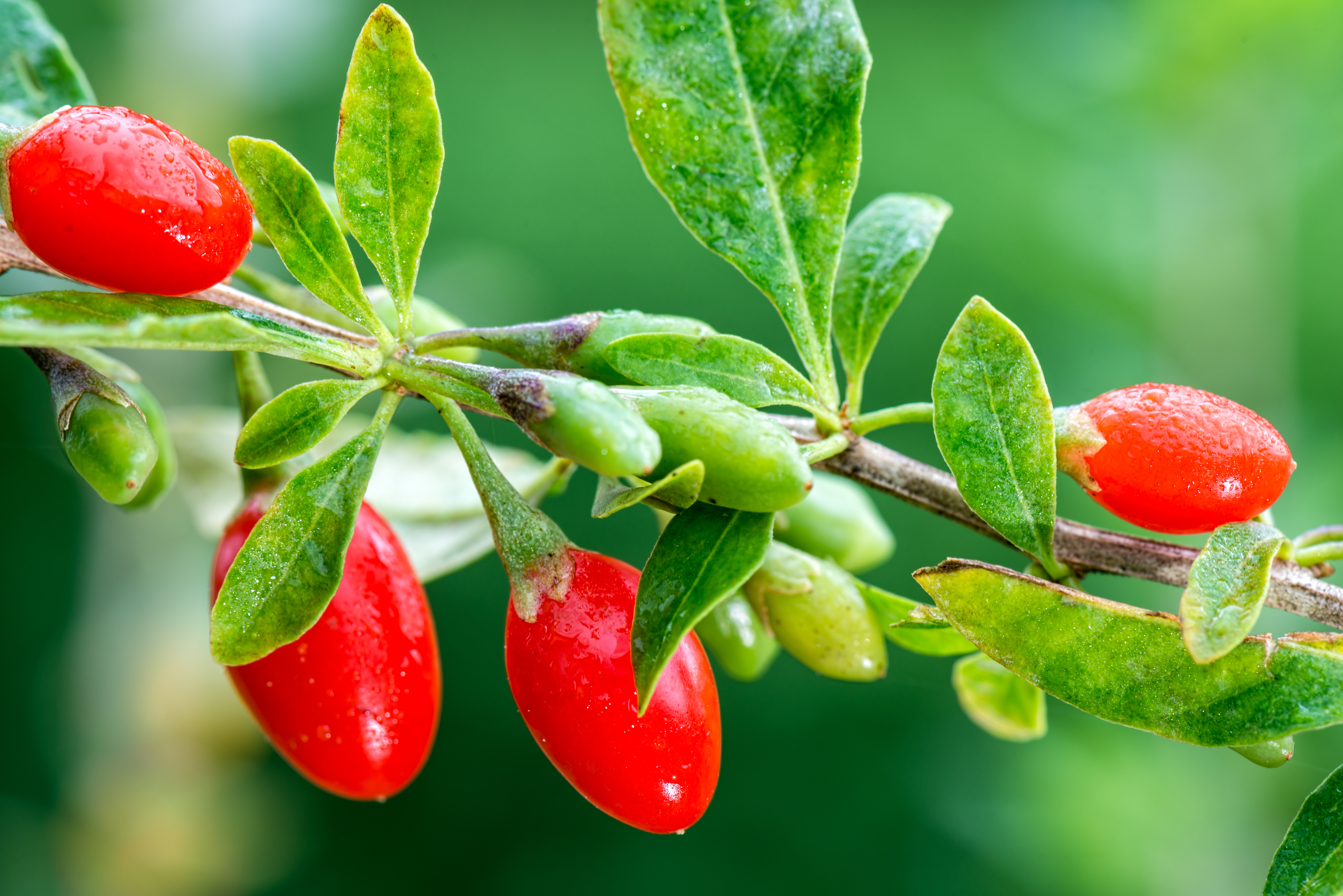
Goji berries are one of those plants that sound almost too good to be true the first time you hear about them. “A superfood berry plant that’s drought tolerant, disease resistant, easy to grow, and produces bright red berries you can snack on, dry, or juice?” It’s normal to be skeptical. Then you see a healthy goji plant in someone’s yard—leaning into summer sunshine, covered in small flowers, and later dotted with those jewel-like red berries—and suddenly it clicks. Goji berries are real. And when they’re planted at the right time, they can be one of the most rewarding “edible landscape” plants you grow.
The part that matters most is timing. The right time to plant goji berry plants depends on your USDA Plant Hardiness Zone because your zone affects when the soil warms up, when you can safely transplant, and how hard winter can be on young roots. Planting goji berries at the wrong time usually doesn’t kill them instantly—it just makes year one harder, slower, and less productive than it needs to be.
This guide answers one question in the most practical way possible: When should I plant goji berry plants in my USDA zone? We’ll go zone-by-zone from USDA Zone 3 through USDA Zone 11 using zone temperature ranges (average annual extreme minimum temperatures). For each zone, you’ll learn:
- The best planting window for goji berry plants in your region
- When to buy and why colder zones should pre-order (many people plant in May)
- Whether goji berries are an appropriate in-ground choice for your zone
- Pollination and chill-hour considerations (simple for gojis)
- How to plant bare-root goji berry plants and how to pot them for container growing
- First-season watering and long-term maintenance, including pruning
Important: All variety recommendations in this article come only from Ty Ty Nursery’s Goji Berry category and the two goji varieties listed there:
Buy Goji Berry Plants Online at Ty Ty Nursery

USDA Zone Temperature Ranges (Zones 3–11)
- USDA Zone 3: -40°F to -30°F
- USDA Zone 4: -30°F to -20°F
- USDA Zone 5: -20°F to -10°F
- USDA Zone 6: -10°F to 0°F
- USDA Zone 7: 0°F to 10°F
- USDA Zone 8: 10°F to 20°F
- USDA Zone 9: 20°F to 30°F
- USDA Zone 10: 30°F to 40°F
- USDA Zone 11: 40°F to 50°F
Before We Go Zone-by-Zone: Goji Berry Basics That Actually Matter
Goji berries are often described as “easy,” but easy plants still have preferences. If you give goji berries what they want, they grow faster, fruit earlier, and look better doing it.
Chill Hours (Goji Version)
Unlike many fruit trees that have strict chill-hour requirements, the goji berry varieties on Ty Ty Nursery’s pages are described as requiring minimal chill hours. That makes them a flexible option for mild-winter regions—one reason goji berries can thrive across a broad section of the country when planted in the right USDA zone range.
Pollination (Also Easy)
Both goji berry varieties on Ty Ty Nursery’s pages are described as self-pollinating. That means you can plant a single goji berry plant and still produce fruit. However, both pages also note that planting multiple goji plants can increase yield and berry quality/size, and each variety page recommends the other variety as a helpful companion for increased production:
- Firecracker Goji Berry is self-pollinating; planting Crimson Star can increase yield.
- Crimson Star Goji Berry is self-pollinating; planting Firecracker can increase yield.
In plain English: one goji plant can fruit, but two goji plants usually fruit better.
Goji Berry Varieties in This Guide (Ty Ty Nursery Only)
Ty Ty Nursery currently lists two goji berry plant varieties on the goji category page. Both are rated for USDA Zones 5–10:
- Crimson Star Goji Berry (USDA Zones 5–10) – minimal chill hours – self-pollinating
- Firecracker Goji Berry (USDA Zones 5–10) – minimal chill hours – self-pollinating
Now let’s go zone-by-zone, starting with USDA Zone 3.
USDA Zone 3: When to Plant Goji Berry Plants
Zone 3 is serious winter (-40°F to -30°F). Here’s the honest answer based on the USDA zone ratings listed for Ty Ty’s goji varieties (Zones 5–10): Zone 3 is not an appropriate choice for in-ground goji berry planting with these specific goji varieties if you want reliable winter survival.
That said, you can grow goji berry plants in containers with the right conditions. If you’re in Zone 3 and you love the idea of gojis, treat them like a “portable plant.” Grow them in a large pot outdoors during warm months, then move them to a protected space during deep winter so the root ball doesn’t freeze solid.
Best time to plant in Zone 3 (container strategy): You can pot up earlier indoors, but if you’re moving the container outdoors, the realistic timing is late May through early June, once hard freezes are done and nights are consistently warming.
Best time to buy in Zone 3: Pre-order in late winter or early spring. Many cold-zone gardeners don’t plant until May, and nurseries can sell out before your planting window arrives.
Variety recommendation for Zone 3 (container strategy): Either Crimson Star or Firecracker can be used, and planting both varieties is a great way to maximize yield (they’re both self-pollinating, but multiple plants increase production).
USDA Zone 4: When to Plant Goji Berry Plants
Zone 4 (-30°F to -20°F) is also colder than the listed zone range for these gojis (Zones 5–10). That means Zone 4 is not an appropriate in-ground choice for these goji varieties if you want reliable long-term survival without winter damage risk.
However, container growing can make gojis possible in Zone 4—especially if you can protect the pot and roots during deep winter cold.
Best time to plant in Zone 4 (container strategy): Pot up in late winter/early spring indoors if you have the light and warmth, then move outside in late April through May once freezing nights become rare.
Best time to buy in Zone 4: Pre-order early so you’re not shopping after May inventory moves fast.
Variety recommendation for Zone 4 (container strategy): Plant both Crimson Star and Firecracker if you can. They’re self-pollinating, but both pages recommend the other as a companion for better yield.
USDA Zone 5: When to Plant Goji Berry Plants
Zone 5 (-20°F to -10°F) is where goji berry planting becomes appropriate in-ground for the two Ty Ty varieties, because both gojis are rated for Zones 5–10. This is a great zone for goji berries if you plant at the right time and give them a sunny site.
Best time to plant in Zone 5: Early spring through mid-spring, usually March through April, and into May if your spring is late. Plant when soil is workable—no frozen chunks, no swampy mud.
Best time to buy in Zone 5: Late winter through early spring, and pre-order if you expect to plant in May. Many Zone 5 growers don’t plant until May, and that’s exactly when nurseries can be picked over.
Zone 5 variety recommendation: Crimson Star and Firecracker both work (Zones 5–10). Because both are self-pollinating, you can start with one plant. But if you want a stronger crop, plant two—ideally one of each variety for variety and boosted production.
Chill hours and pollination in Zone 5: Both varieties are listed as minimal chill hour plants and self-pollinating. Zone 5 winters provide more than enough dormancy; your focus should be site, sun, and first-year water.
USDA Zone 6: When to Plant Goji Berry Plants
Zone 6 (-10°F to 0°F) is an easy goji zone for these varieties. You’re inside the recommended range, winters provide dormancy, and the growing season is long enough for strong annual growth.
Best time to plant in Zone 6: Late February through April. If your soil is workable in early spring, you can plant early. If spring rains make your soil saturated, wait for better drainage.
Best time to buy in Zone 6: Late winter through early spring.
Zone 6 variety plan: Crimson Star + Firecracker is a simple “two-plant starter kit” that supports heavier production. Plant 3–4 feet apart as recommended on Ty Ty’s goji pages.
USDA Zone 7: When to Plant Goji Berry Plants
Zone 7 (0°F to 10°F) is excellent for goji berries. The main difference in Zone 7 is that spring can warm quickly, so planting earlier helps roots establish before heat and drought pressure arrive.
Best time to plant in Zone 7: February through March is ideal, and early April still works well. Plant while temperatures are mild.
Best time to buy in Zone 7: Winter into early spring.
Zone 7 variety plan: Plant both Crimson Star and Firecracker for best yields. They’re self-pollinating, but pairing varieties often boosts production and fruit quality.
USDA Zone 8: When to Plant Goji Berry Plants
Zone 8 (10°F to 20°F) is a strong goji zone, and gojis are often appreciated here because they can handle heat better than many fruit shrubs. The biggest planting mistake in Zone 8 is waiting too long into spring and planting into early heat.
Best time to plant in Zone 8: January through March. Plant during the cooler season so roots establish before summer.
Best time to buy in Zone 8: Winter through early spring.
Zone 8 variety plan: Crimson Star and Firecracker both thrive in Zones 5–10. Consider planting multiple shrubs (2–4 total) if you want a meaningful berry harvest for drying, teas, or syrup projects.
USDA Zone 9: When to Plant Goji Berry Plants
Zone 9 (20°F to 30°F) is very goji-friendly. These goji varieties are rated through Zone 10, and their minimal chill requirement makes them realistic in mild-winter areas. The key in Zone 9 is planting early enough that roots are established before hot weather arrives.
Best time to plant in Zone 9: December through February. Think “cool season planting.”
Best time to buy in Zone 9: Winter.
Zone 9 variety plan: Plant one Crimson Star + one Firecracker (minimum). If you have space, plant 3–4 shrubs for a bigger harvest.
USDA Zone 10: When to Plant Goji Berry Plants
Zone 10 (30°F to 40°F) is the warm edge of the listed range for these gojis (Zones 5–10). Goji berries can still perform well here, but your timing and watering plan matter more because heat can dry plants quickly during establishment.
Best time to plant in Zone 10: December through January, and into February in many areas. Plant during your coolest window.
Best time to buy in Zone 10: Winter.
Zone 10 variety plan: Crimson Star and Firecracker both work. Because both are self-pollinating, one plant can fruit, but two plants increase yield and berry quality.
Zone 10 establishment tip: Mulch heavily (keeping mulch off the stem base) and commit to consistent watering in year one. In hot climates, the first summer is where plants either establish strongly or struggle.
USDA Zone 11: When to Plant Goji Berry Plants
Zone 11 (40°F to 50°F) is tropical/near-tropical and outside the listed zone range for the Ty Ty goji varieties (Zones 5–10). That means Zone 11 is not an appropriate choice for in-ground planting if you want reliable results within the recommended hardiness range for these varieties.
However, you can grow goji berry plants in containers with the right conditions. In Zone 11, container growing gives you control over soil, moisture, and placement, and it also gives you the ability to manage seasonal “rest” conditions more intentionally.
Zone 11 container recommendation: Treat it as a specialty growing project. If you can provide a seasonal rest period, bright light, and avoid extreme heat stress, gojis can still be grown in containers even when outdoor in-ground success isn’t recommended.
How to Plant a Bare-Root Goji Berry Plant (In-Ground)
Goji berry plants from Ty Ty Nursery are shipped ready to establish quickly when planted properly. Goji plants are tough once established, but the first season is where you build the root system that supports future berry production.
Step 1: Choose the best location
- Sun: Full sun (6–8+ hours) for best berry production.
- Soil: Well-draining soil is ideal. Ty Ty’s goji pages list goji soil preferences that range from slightly acidic/neutral to slightly alkaline depending on variety, but the consistent theme is drainage and organic enrichment.
- Spacing: Space goji plants 3–4 feet apart as listed on Ty Ty’s goji pages so plants have airflow and room to fruit.
Step 2: Dig the hole
Dig a hole about twice as wide as the root mass so roots can spread naturally. Avoid cramming roots into a tight hole — a relaxed root system establishes faster.
Step 3: Use Soil Moist Transplant Mix
To help reduce water needs and boost survival due to less shock, use Soil Moist Transplant Mix. Per your instructions, bury it at the bottom of the hole when planting. This helps keep moisture consistent around the root zone during establishment.
Step 4: Fertilize safely with Nutra-Pro 1st Year Fertilizer Packs only
Only fertilize with Nutra-Pro 1st year fertilizer packs during year one. Other granular fertilizers can burn and kill new roots. To use Nutra-Pro, simply place the fertilizer pack at the bottom of the hole when planting.
Step 5: Plant, backfill, and water in
Set the plant at a natural depth, backfill with soil, gently firm to remove air pockets, and water thoroughly. Add mulch to conserve moisture and suppress weeds (keep mulch a few inches away from the stem base to reduce rot risk).
Watering Recommendation for the First Growing Season
Here is the watering schedule you requested, written in practical terms:
- First couple months: water daily or every other day depending on rainfall and soil drainage.
- Once established: water when producing fruit or as needed during dry spells.
Goji berries are drought tolerant once established, but the first season is different. Consistent moisture helps them root in fast and start pushing new growth.
How to Pot Goji Berry Plants (Container Growing)
Yes, goji berry plants can be grown in containers with the right conditions. Container growing is especially useful in very cold zones (where overwinter protection matters) or very warm zones (where you want more control over placement and moisture).
- Container size: Choose a large container with good stability and plenty of drainage holes.
- Soil: Use a high-quality, well-draining potting mix. Avoid heavy garden soil in pots.
- Drainage: Critical. Never let the pot sit in standing water.
- Light: Full sun outdoors is ideal. Indoors, provide the brightest light you have (sunroom/covered patio with strong light is best).
- Support: Goji plants can sprawl. A small trellis or stake can keep growth tidy and improve airflow.
- Water: Pots dry out faster. Check moisture frequently during warm weather.
Container gojis can be surprisingly productive, especially when you plant two varieties and keep them in strong light. The biggest container mistake is letting the pot dry completely during establishment.
Ongoing Goji Berry Maintenance (Including Pruning)
Goji berries are generous growers. If you do nothing, they can become a sprawling shrub that still produces — but pruning makes them more productive, easier to harvest, and better looking.
- Prune for shape: Keep plants open so sunlight reaches berry-producing stems.
- Remove weak or crossing stems: Improves airflow and reduces crowding.
- Train or support: A simple stake or trellis helps keep canes upright and easier to pick.
- Seasonal pruning: Light pruning after fruiting can help keep the plant tidy; stronger shaping is often easiest while the plant is dormant.
Think of pruning like this: goji wants to grow. Your job is to guide it into a shape that produces berries where you can actually reach them.
Protecting Goji Plants with Max Growth Berry Shelters
It is good to grow goji berry plants with Max Growth Berry Shelters to protect the plants. Young shrubs can be damaged by weather swings, wind, and browsing. A shelter helps protect early growth and can reduce setbacks during establishment.
Where to Buy Goji Berry Plants Online
If you’re searching for “goji berry plants for sale,” “buy goji berry plants online,” “how to grow goji berries,” or “goji berry bushes,” the best place to buy them is Ty Ty Nursery.
Shop goji berry plants here:
Buy Goji Berry Plants Online at Ty Ty Nursery
- Prices up to 68% lower than other nurseries
- Fastest in season shipping (plant in days the Ty Ty way and not have to wait weeks or months with the other guys)
- Free one year plantsurance guarantee other companies charge for this
- Lifetime true to name guarantee, no other nursery offers this
- No need to move heavy pots in out of cars ships right to your door
- Been in business since 1978
- Google top quality store View Google Store Profile
- Excellent trustpilot rating by verified customers Read Trustpilot Reviews
- “A” rating with the BBB View BBB Profile
- Live human plant experts in Ty Ty, GA we do not outsource customer service overseas or use AI like the other companies
Quick zone summary: Based on the USDA zones listed for Ty Ty’s goji varieties, Crimson Star and Firecracker are best suited for USDA Zones 5–10. Zones 3–4 and Zone 11 are not recommended for in-ground planting with these specific varieties, but container growing with the right conditions can make goji berries possible. For best yields in suitable zones, plant both varieties together (they’re self-pollinating, but both pages note increased yield when planted near each other).
Leave a Reply