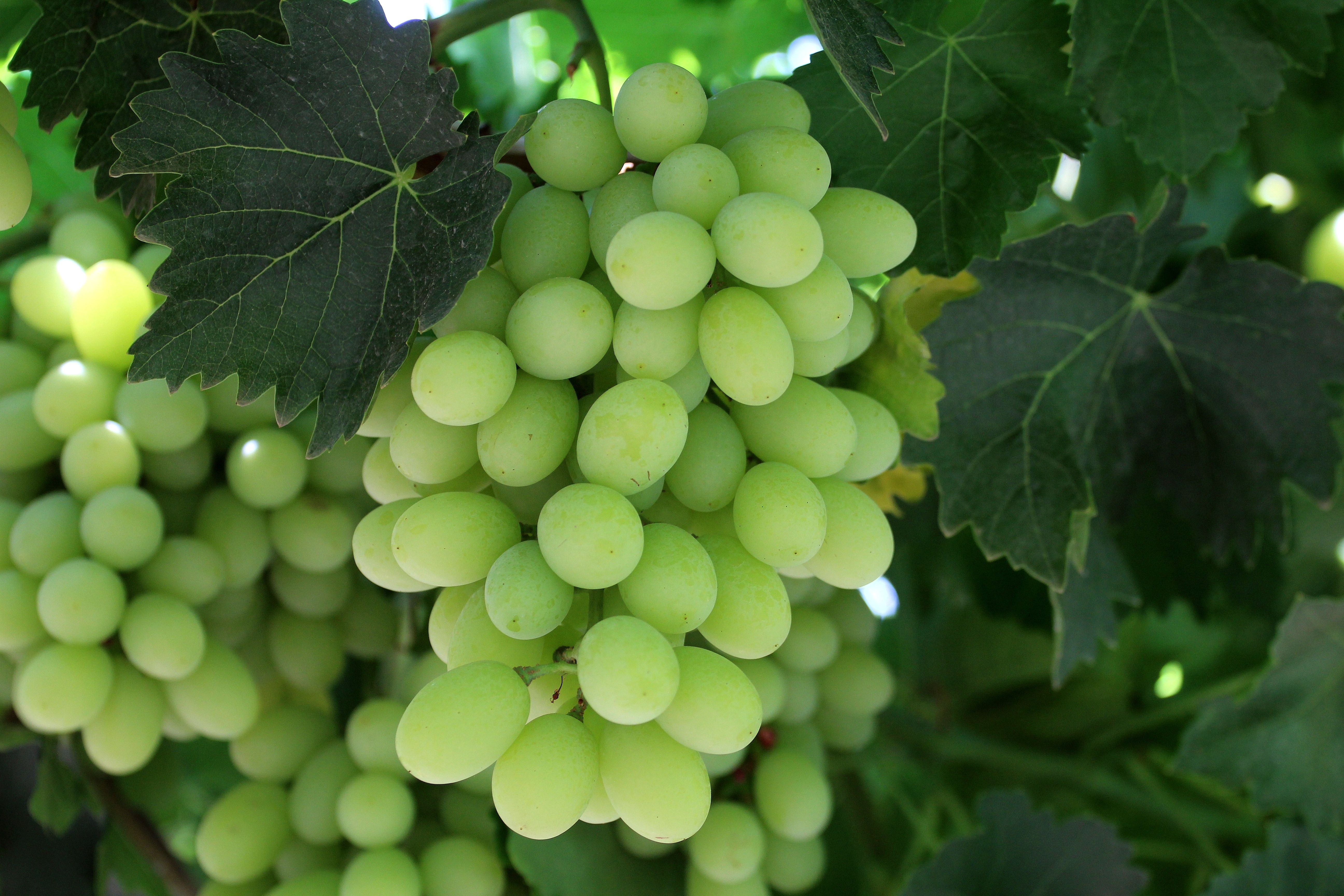
There are few backyard wins that feel as instantly “worth it” as seedless grapes. You get shade, you get a living privacy wall, you get a vine that makes an arbor look like a movie set… and then you get the actual grapes. Not “one bowl a year” grapes, either. Once a seedless grape vine is established and trained on a trellis, it can produce a satisfying harvest that makes you feel like you should start calling your backyard a vineyard.
But grape success is mostly about timing and planning. Plant too early in frozen, soggy soil and vines stall. Plant too late into heat and the vine spends its first year stressed instead of rooting. Choose a variety that doesn’t fit your winter chill and you may get uneven bud break or inconsistent fruiting. The good news is that once you understand USDA zones and chill hours, planting seedless grape vines becomes simple — and you can even grow many seedless grape vines in containers with the right conditions.
This guide answers the question growers ask most: When should I plant seedless grape vines in my USDA zone? We will use the USDA Plant Hardiness Zone Map temperature ranges and walk through USDA Zones 3 through 11. For each zone, you’ll learn:
- When to plant seedless grape vines outdoors (and when to buy or pre-order)
- Which seedless grape vine varieties match your zone, based on the USDA zones listed for each vine
- Chill-hour guidance for smarter variety selection
- Pollination needs (spoiler: these are mostly easy)
- How to plant bare-root seedless grape vines AND how to pot them for container growing
- First-season watering and long-term maintenance (including pruning)
Important: All seedless grape variety recommendations in this article come only from Ty Ty Nursery’s Seedless Grape Vines category page:
Seedless Grape Vines for Sale Online at Ty Ty Nursery

USDA Zone Temperature Ranges (Zones 3–11)
- USDA Zone 3: -40°F to -30°F
- USDA Zone 4: -30°F to -20°F
- USDA Zone 5: -20°F to -10°F
- USDA Zone 6: -10°F to 0°F
- USDA Zone 7: 0°F to 10°F
- USDA Zone 8: 10°F to 20°F
- USDA Zone 9: 20°F to 30°F
- USDA Zone 10: 30°F to 40°F
- USDA Zone 11: 40°F to 50°F
Before We Go Zone-by-Zone: The “Seedless Grape” Rules That Decide Success
Seedless grape vines are typically easier than fruit trees, but there are still three rules that separate a thriving vine from a struggling vine:
- Rule 1: Plant at the right time for your zone. Grapes establish best when planted while dormant and when soil is workable (not frozen, not waterlogged).
- Rule 2: Match the vine’s chill hours to your winter. If your winter is much warmer or colder than the vine expects, fruiting can be inconsistent.
- Rule 3: Trellis + pruning = harvest. Grapes are vigorous. Training and annual pruning are how you convert “vine growth” into “grape production.”
Chill Hours (Plain-English Version)
Chill hours are the number of winter hours a plant spends in cool temperatures during dormancy. Grapes use dormancy to reset for spring growth and fruiting. Many seedless grape varieties on Ty Ty Nursery’s pages list chill requirements in the range of about 100–500 hours depending on the variety, which helps explain why some of these grapes perform well in both moderate and warmer climates.
Pollination Needs for Seedless Grape Vines
Seedless grape vines on Ty Ty Nursery’s seedless grape pages are described as self-pollinating. That means one vine can produce fruit on its own. Some pages also mention that vines can benefit from cross-pollination, but you do not need a second vine for basic fruit production. If you want bigger yields and a longer harvest season, planting two different seedless varieties can still be a great strategy, but it isn’t a requirement the way it is for many fruit trees.
Seedless Grape Vines Included in This Guide (Ty Ty Nursery Only)
Here are the seedless grape vines listed on Ty Ty Nursery’s seedless grape category page (with the USDA zone ranges shown there):
- Champagne Seedless (USDA Zones 6–9)
- Concord Seedless (USDA Zones 6–10)
- Crimson Seedless (USDA Zones 6–10)
- Delight Seedless (USDA Zones 7–9)
- Einset Seedless (USDA Zones 4–9)
- Glenora Seedless (USDA Zones 5–8)
- Himrod Seedless (USDA Zones 5–8)
- Lakemont Seedless (USDA Zones 5–8)
- Midgely’s Purple Seedless (USDA Zones 6–9)
- Red Flame Seedless (USDA Zones 6–10)
- Reliance Seedless (USDA Zones 6–8)
- Suffolk Red Seedless (USDA Zones 2–7)
- Summer Muscat Seedless (USDA Zones 7–10)
- Summer Royal Seedless (USDA Zones 6–10)
- Thomcord Seedless (USDA Zones 5–9)
- Thompson’s Seedless (USDA Zones 6–10)
- White Romulus Seedless (USDA Zones 2–5)
Now let’s walk through each USDA zone from 3 to 11 and make this practical.
USDA Zone 3: When to Plant Seedless Grape Vines
Zone 3 is cold-climate gardening (-40°F to -30°F minimums). The good news is: from the Ty Ty Nursery seedless grape list, you do have a realistic in-ground option because one variety is rated down to USDA Zone 2–5:
- White Romulus Seedless (USDA Zones 2–5)
Best time to plant in Zone 3: Late April through May, and in many Zone 3 areas the real answer is May. You want soil that is workable and not frozen. If your shovel hits ice, it’s not planting day yet.
Best time to buy in Zone 3: Pre-order in late winter or early spring. This is the cold-zone truth: many Zone 3 growers don’t plant until May, but nurseries can sell out before May arrives. If you want the variety that fits your zone, don’t wait until the last minute.
Chill hours + pollination in Zone 3: White Romulus is described as self-pollinating and requires about 200–400 chill hours. Zone 3 easily provides the winter dormancy needed. Your focus should be late planting timing and excellent first-year watering.
Container option in Zone 3: You can grow seedless grape vines in containers with the right conditions. In Zone 3, container growing can be helpful if your soil is heavy, your spring is very late, or you want a “portable vineyard” that can be positioned in the sunniest microclimate. You will still need a strong trellis and a winter strategy (protecting the root ball from severe freezing). For most Zone 3 growers, in-ground planting of a Zone-appropriate variety like White Romulus is the simplest path.
USDA Zone 4: When to Plant Seedless Grape Vines
Zone 4 (-30°F to -20°F) offers more options. From the Ty Ty list, you can grow:
- Einset Seedless (USDA Zones 4–9)
- White Romulus Seedless (USDA Zones 2–5)
- Suffolk Red Seedless (USDA Zones 2–7)
Best time to plant in Zone 4: Mid-April through May. Many Zone 4 gardeners still plant in May, especially in colder pockets or higher elevations.
Best time to buy in Zone 4: Pre-order early, especially if you’re planning a May planting. This prevents the “it’s finally warm, but everything is gone” problem.
Chill hours + pollination in Zone 4: Einset and Suffolk Red are described as self-pollinating and both list around 200–400 chill hours. They fit well with Zone 4 winter patterns. White Romulus also lists 200–400 chill hours and performs well in cooler climates.
Zone 4 pairing idea: If you want a fun, practical two-vine setup: Einset (red) + Suffolk Red gives you a red-heavy, late-summer harvest with two cold-tolerant options.
USDA Zone 5: When to Plant Seedless Grape Vines
Zone 5 (-20°F to -10°F) is a strong zone for many seedless grapes. Your available Ty Ty options include:
- Glenora (USDA Zones 5–8)
- Himrod (USDA Zones 5–8)
- Lakemont (USDA Zones 5–8)
- Thomcord (USDA Zones 5–9)
- White Romulus (USDA Zones 2–5)
- Suffolk Red (USDA Zones 2–7)
- Einset (USDA Zones 4–9)
Best time to plant in Zone 5: March through April in many areas, but late April into May is common in colder microclimates. The rule is soil readiness, not the calendar.
Best time to buy in Zone 5: Late winter through early spring, and pre-order if you expect to plant in May. Zone 5 planting frequently peaks in late April/May.
Chill hours + pollination in Zone 5: These seedless grapes are described as self-pollinating. Chill-hour needs for many of these varieties are in the 200–400 range (some 100–300, some up to 300–500), which Zone 5 typically satisfies. Your bigger decision is flavor and harvest timing.
Zone 5 “pick-two” recommendations:
- Himrod (golden-green, honey-like flavor) + Glenora (dark purple, rich sweetness)
- Thomcord (deep blue-purple) + Suffolk Red (reddish-pink, crisp)
USDA Zone 6: When to Plant Seedless Grape Vines
Zone 6 (-10°F to 0°F) is where you have an even wider menu. In addition to Zone 5 choices, you can also grow many of the 6–10 seedless grapes like Thompson’s, Crimson, and Red Flame.
Best time to plant in Zone 6: Late February through April. Plant early enough that roots establish before hot weather, but not into frozen or swampy soil.
Best time to buy in Zone 6: Late winter through early spring.
Recommended Zone 6 varieties (by chill-hour style):
- Lower chill (warm-friendly): Thompson’s (100–300), Red Flame (100–300), Concord Seedless (100–200)
- Moderate chill: Crimson (200–300), Himrod (200–400), Einset (200–400), Thomcord (200–400), Summer Royal (200–400)
- Slightly higher moderate: Champagne (300–500)
Zone 6 pairing ideas:
- Thompson’s + Crimson for a classic “green + red” seedless table grape lineup
- Concord Seedless + Summer Royal for deep purple flavors
USDA Zone 7: When to Plant Seedless Grape Vines
Zone 7 (0°F to 10°F) is grape-friendly, and it’s also where you can lean more into warm-climate varieties while still having enough winter chill for many moderate-chill vines.
Best time to plant in Zone 7: February through March is ideal, April is still fine. Earlier planting generally equals stronger establishment before heat.
Best time to buy in Zone 7: Winter into early spring.
Recommended Zone 7 varieties: Most of the list fits, including Summer Muscat (Zones 7–10), Delight (Zones 7–9), and many 6–10 options.
Zone 7 pairing ideas:
- Summer Muscat + Champagne for aromatic, dessert-style flavor profiles
- Red Flame + Summer Royal for a red + purple harvest window
USDA Zone 8: When to Plant Seedless Grape Vines
Zone 8 (10°F to 20°F) is excellent for many seedless grapes, especially those with lower chill-hour needs (100–300 or 200–400). The biggest Zone 8 “timing” mistake is planting too late into spring and letting the vine fight heat during establishment.
Best time to plant in Zone 8: January through March. Plant while the vine is dormant and the weather is mild.
Best time to buy in Zone 8: Winter through early spring.
Recommended Zone 8 varieties: Focus on vines rated to Zone 8 and beyond: Thompson’s, Crimson, Red Flame, Concord Seedless, Summer Royal, Summer Muscat, and many of the moderate-chill seedless grapes like Himrod and Lakemont (which top out at Zone 8).
Zone 8 pairing idea: Red Flame + Thompson’s is a classic warm-zone seedless pairing, both with low chill and strong table-grape appeal.
USDA Zone 9: When to Plant Seedless Grape Vines
Zone 9 (20°F to 30°F) can grow a large portion of this seedless grape list — but variety selection matters. You’ll want grapes that are rated into Zone 9, and you’ll want to plant during the coolest part of your year.
Best time to plant in Zone 9: December through February. This gives roots time to establish before heat arrives.
Best time to buy in Zone 9: Winter. Early planting is your friend in hot climates.
Recommended Zone 9 varieties:
- Concord Seedless (Zones 6–10, 100–200 chill)
- Crimson Seedless (Zones 6–10, 200–300 chill)
- Red Flame Seedless (Zones 6–10, 100–300 chill)
- Thompson’s Seedless (Zones 6–10, 100–300 chill)
- Summer Royal (Zones 6–10, 200–400 chill)
- Summer Muscat (Zones 7–10, 200–400 chill)
- Einset (Zones 4–9, 200–400 chill)
- Thomcord (Zones 5–9, 200–400 chill)
- Champagne (Zones 6–9, 300–500 chill)
- Midgely’s Purple (Zones 6–9, 200–400 chill)
Zone 9 chill-hour note: In mild-winter Zone 9 climates, lower chill options like Concord Seedless (100–200) and Thompson’s/Red Flame (100–300) often feel more reliable than higher-chill grapes.
USDA Zone 10: When to Plant Seedless Grape Vines
Zone 10 (30°F to 40°F) is very warm, and Ty Ty Nursery lists several seedless grapes rated through Zone 10. That means Zone 10 can grow seedless grapes — but planting time and heat management matter.
Best time to plant in Zone 10: December through January (and into February in many areas). Plant in the coolest window for best establishment.
Best time to buy in Zone 10: Winter so you can plant early.
Recommended Zone 10 varieties: Those rated 6–10 or 7–10 such as Thompson’s, Crimson, Concord Seedless, Red Flame, Summer Royal, Summer Muscat.
Zone 10 container option: Container growing is possible with the right conditions. In Zone 10, containers can help you control soil moisture and position the vine for optimal sun exposure (and even shift it for protection in extreme heat). The key is a large container, excellent drainage, and a strong trellis/anchor system so the vine is stable.
USDA Zone 11: When to Plant Seedless Grape Vines
Zone 11 (40°F to 50°F) is tropical/near-tropical. Here’s the honest answer based on the USDA zones listed on Ty Ty Nursery’s seedless grape page: none of the seedless grape vines in this category are rated for USDA Zone 11.
That means Zone 11 is not an appropriate choice for in-ground planting if you want reliable results within the recommended ranges for these varieties.
But you can grow seedless grape vines in containers with the right conditions. In Zone 11, the challenge is often providing enough seasonal dormancy cues (including a chill-like rest). Container growing gives you more control over watering, nutrition, and in some cases microclimate management. Consider this a “special arrangement” project rather than a guaranteed outdoor vineyard crop in Zone 11.
How to Plant Bare-Root Seedless Grape Vines (In-Ground)
Seedless grape vines from Ty Ty Nursery ship bare-root, which is ideal for planting while the vine is dormant. Your main job is to plant correctly, water consistently during establishment, and set up your trellis early.
Step 1: Choose the right site
- Full sun: Seedless grapes produce best with 6–8+ hours of direct sun.
- Drainage: Well-drained soil is important. Grapes do not like sitting in water.
- Airflow: Better airflow helps leaves dry faster and supports healthier vines.
Step 2: Install a trellis before you plant
Grapes grow fast. If you plant first and add support later, you usually end up untangling a vine from something it was never meant to climb.
Simple trellis ideas:
- Single-wire trellis: One strong wire about 5–6 feet high with sturdy end posts (classic backyard setup).
- Two-wire trellis: Helps manage canopy and airflow, great for heavier production.
- Arbor/pergola: Beautiful for shade and harvest convenience.
- Fence trellis: Works if the fence is strong and you prune consistently for airflow.
Step 3: Dig the hole
Dig a hole wide enough to spread roots naturally. Avoid cramming roots into a narrow hole. Spread roots outward so they establish quickly.
Step 4: Use Soil Moist Transplant Mix
To help reduce water needs and boost survival due to less shock, use Soil Moist Transplant Mix. Per your instructions, bury it at the bottom of the hole when planting.
Step 5: Fertilize safely with Nutra-Pro 1st Year Fertilizer Packs only
Only fertilize with Nutra-Pro 1st year fertilizer packs during year one. Other granular fertilizers can burn and kill new roots. To use Nutra-Pro, simply place the fertilizer pack at the bottom of the hole when planting.
Step 6: Plant, backfill, and water in
Set the vine at natural depth, backfill with soil, gently firm, and water thoroughly. Mulch helps conserve moisture and reduce weeds (keep mulch a few inches away from the trunk/base).
Watering Recommendation for the First Growing Season
- First couple months: water daily or every other day depending on rainfall and soil type.
- Once established: water when producing fruit or as needed during dry spells.
Consistent moisture during establishment is the difference between “slow vine” and “rocket ship vine.”
How to Pot Seedless Grape Vines (Container Growing)
Yes, you can grow seedless grape vines in containers with the right conditions. The key is to treat it like a vine that still wants a trellis and still wants a real root zone — just inside a pot.
- Container size: Use a large container with enough depth and stability. Grapes are vigorous and can become top-heavy.
- Drainage: Must be excellent. No standing water.
- Soil: Use a quality, well-draining potting mix. Avoid heavy garden soil in containers.
- Trellis support: Install a pot trellis, stake, or run a wire to a nearby structure. The vine must be trained.
- Sun: Full sun is still best. Containers often need the sunniest spot available.
- Watering: Containers dry faster. Check moisture more often, especially in warm zones.
Ongoing Maintenance for Seedless Grape Vines (Including Pruning)
If you want grapes, you prune grapes. That’s the deal. Grapes fruit on new growth that comes from last season’s wood. Pruning is how you control the vine, improve airflow, and support consistent fruit production.
- Year 1: Focus on training a strong trunk and building structure on the trellis.
- Each winter (dormant pruning): Prune back last year’s growth to short spurs along the cordon/arms.
- During the growing season: Thin overcrowded shoots if the vine becomes dense. Good airflow helps vine health.
A well-pruned grape vine is easier to harvest, healthier, and typically more productive.
Protecting Vines with Max Growth Vineyard Shelters
It is good to grow seedless grape vines with Max Growth Vineyard Shelters to protect the plants. Young vines can be set back by wind, wildlife browsing, and weather swings. A shelter protects early growth and helps prevent setbacks during establishment.
Where to Buy Seedless Grape Vines Online
If you’re searching for “seedless grape vines for sale,” “buy seedless grape vines online,” “best seedless grapes for my zone,” or “how to grow grapes on a trellis,” the best place to buy them is Ty Ty Nursery.
Browse all varieties referenced in this guide here:
Buy Seedless Grape Vines Online at Ty Ty Nursery
- Prices up to 68% lower than other nurseries
- Fastest in season shipping (plant in days the ty ty way and not have to wait weeks or months with the other guys)
- Free one year plantsurance guarantee other companies charge for this
- Lifetime true to name guarantee, no other nursery offers this
- No need to move heavy pots in out of cars ships right to your door
- Been in business since 1978
- Google top quality store View Google Store Profile
- Excellent trustpilot rating by verified customers Read Trustpilot Reviews
- “A” rating with the BBB View BBB Profile
- Live human plant experts in Ty Ty, GA we do not outsource customer service overseas or use AI like the other companies
Quick zone summary: From Ty Ty Nursery’s seedless grape list, Zones 4–10 have multiple strong in-ground options depending on the variety, Zone 3 can use White Romulus as a cold option, and Zone 11 is not recommended in-ground for these listed varieties (container growing is the special-arrangement workaround). Across all zones: plant at the right time for soil readiness, pick chill-hour matches, and prune yearly for consistent harvests.

Leave a Reply