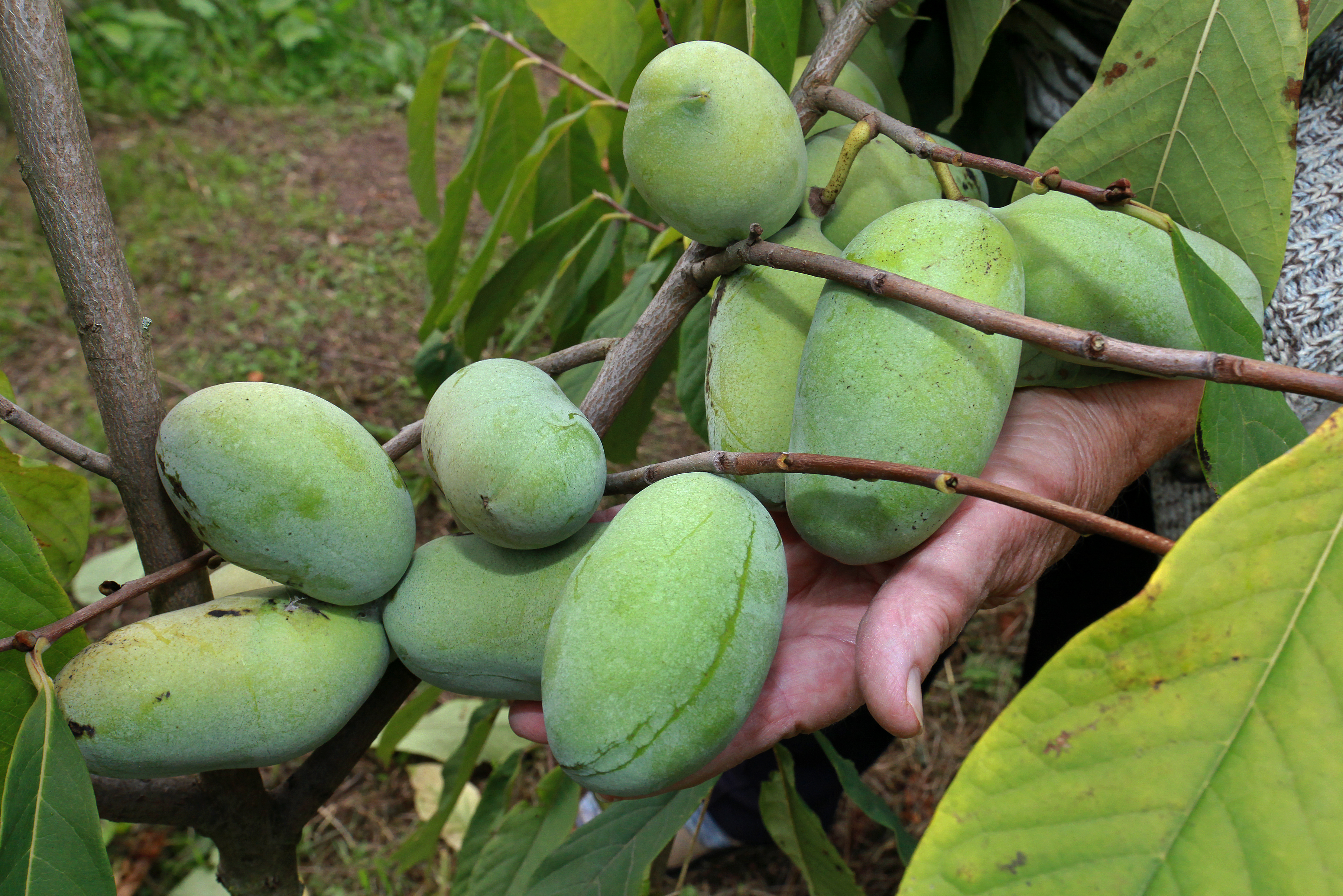
Paw paw trees are gaining popularity among backyard growers and orchard enthusiasts for their tropical-flavored fruit and native adaptability. With large leaves and custard-like fruit, paw paws (Asimina triloba) are unlike any other fruit tree commonly grown in North America. While they are naturally hardy and well-suited to many regions, the final weeks of winter remain an important period for preparing paw paw trees for strong spring growth and consistent fruit production.
Late winter is a quiet but critical transition phase. Paw paw trees are fully dormant above ground, but beneath the surface, root systems are preparing for renewed activity as soil temperatures gradually rise. The steps taken during this window can directly influence bud break, shoot development, pollination success, and long-term tree health.
Why Late Winter Care Matters for Paw Paw Trees
Paw paw trees leaf out later than many fruit trees, which gives them an advantage against late frosts. However, they still depend on stored energy reserves to fuel spring growth. Stress during late winter can weaken emerging shoots and reduce fruit set.
Late winter preparation helps:
- Encourage uniform bud break
- Support healthy root development
- Improve canopy structure
- Reduce pest and disease risk
- Enhance overall fruit production
Taking time to prepare your paw paw trees now sets the stage for a productive growing season.
Inspect Paw Paw Trees for Winter Damage
Begin with a thorough inspection. Winter storms, wind, heavy rain, and wildlife can damage branches or bark.
Look for cracked limbs, broken twigs, or split bark. Check the trunk base for signs of rodent chewing or deer browsing. Young paw paw trees are particularly vulnerable to bark damage during winter months.
If damaged wood is found, mark it for removal before spring growth begins.
Complete Light Dormant Pruning
Late winter is an appropriate time for minimal pruning of paw paw trees. Because paw paws have a naturally upright growth habit, pruning should focus on removing dead, damaged, or crossing branches.
Avoid heavy pruning, as paw paws fruit on new growth that emerges from established wood. Maintaining a balanced canopy improves airflow and light penetration without reducing productivity.
Finish pruning before buds begin to swell.
Remove Debris and Maintain Orchard Cleanliness
Old leaves and plant debris around the base of paw paw trees can harbor pests or fungal spores. Late winter cleanup reduces disease pressure before warm weather returns.
Clear debris away from the trunk and dispose of it away from the planting area. A clean base improves airflow and makes it easier to monitor new growth in spring.
Evaluate Soil Drainage and Root Conditions
Paw paw trees prefer well-drained soil but tolerate moderate moisture better than many fruit trees. Late winter is a good time to assess drainage before spring rains intensify.
If water pools around the trunk, gently redirect runoff. Avoid deep digging that could damage the sensitive taproot system of young trees.
Do not fertilize yet; wait until active growth begins.
Refresh Mulch for Root Protection
Mulch plays a vital role in stabilizing soil temperature and conserving moisture. Apply a fresh layer of organic mulch around the base of the tree if needed.
Keep mulch several inches away from the trunk to prevent rot and rodent nesting.
Mulching also suppresses early weed growth and protects shallow feeder roots.
Protect Against Late Winter Temperature Swings
While paw paws leaf out late, sudden warm spells followed by cold snaps can still stress developing buds.
Maintaining even soil moisture and avoiding early fertilization helps prevent premature growth. Young trees in exposed areas may benefit from wind protection.
Inspect Wildlife Protection
Wildlife browsing often increases during late winter. Deer may feed on buds, and rodents may chew bark.
Inspect tree guards and fencing to ensure protection remains secure until growth strengthens in spring.
Delay Fertilization Until Leaf Emergence
Applying fertilizer too early can push tender growth before temperatures stabilize. Wait until leaves begin emerging before feeding paw paw trees.
Proper timing supports steady, healthy growth and stronger flowering.
Plan for Pollination and Variety Placement
Paw paw trees benefit from cross-pollination between genetically different varieties. Late winter is a good time to review your planting layout and ensure compatible trees are within range.
Planning ahead improves fruit set once blossoms appear.
Why Spring Success Begins in Late Winter
Healthy paw paw harvests start with careful preparation before spring arrives. Trees that exit dormancy healthy and well-managed are more likely to produce strong shoots and abundant fruit.
By managing pruning, cleanup, soil conditions, moisture balance, and protection now, you help paw paw trees transition smoothly into spring growth.
Why So Many Gardeners Choose Ty Ty Nursery to Buy Paw Paw Trees
- Large selection of paw paw trees for sale
- Best prices compared to many national competitors
- Fastest in-season shipping — plant in days the Ty Ty way
- Industry-leading guarantees included free
- Certified Google Quality Store View Google Reviews
- Nearly 50 years in business with over 10 million plants shipped
- Tens of thousands of 5-star reviews Read verified customer reviews
- Live plant experts located in Ty Ty, Georgia available by phone at 888-758-2252
- Convenience of shopping online and having paw paw trees delivered directly to your door
With attentive late winter preparation, paw paw trees can enter spring strong, resilient, and ready to deliver their distinctive tropical-flavored fruit.

Leave a Reply