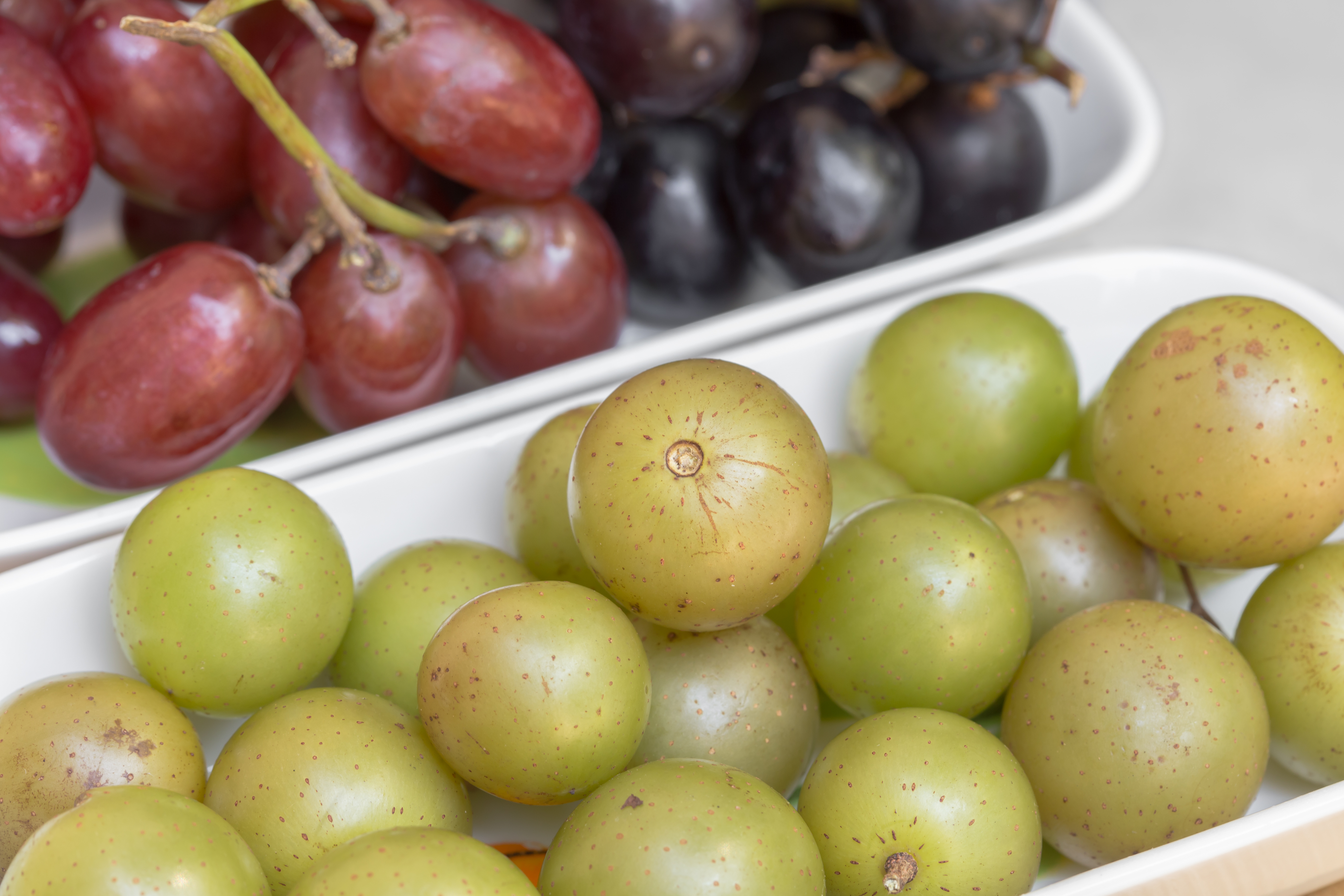
Scuppernong grapes are the kind of plant that comes with a built-in story. They’re Southern heritage in vine form. If you’ve ever tasted a warm, bronze scuppernong straight from the vine, you know it’s not the same experience as a grocery store grape. It’s sweeter, bolder, and unmistakably muscadine-family “grapey” in the best way. They’re perfect for fresh eating, juicing, jellies, and classic Southern winemaking, and they’re also famous for being tough in heat and humidity.
But scuppernongs are not universal. They are warm-climate vines. That means the right time to plant scuppernong grape vines depends heavily on your USDA Plant Hardiness Zone. In colder zones, the vine may not survive winter. In very warm zones outside the recommended range, performance can be unpredictable. And there’s one important rule that matters for this specific plant: you cannot grow scuppernong grape vines in containers. These vines need the ground, a real root zone, and a permanent trellis. If your zone is not appropriate, the best decision is not “try a pot.” The best decision is choosing a different grape type that fits your climate.
This guide answers the big question: When should I plant scuppernong grape vines in my USDA zone? We’ll go zone-by-zone from USDA Zone 3 through USDA Zone 11 using USDA zone temperature ranges (average annual extreme minimum temperatures). For each zone, you’ll learn when to plant, when to buy (and why colder zones should pre-order to avoid sellouts by May), and which scuppernong varieties match your zone based on chill hours and pollination needs.
All scuppernong variety recommendations in this article come only from Ty Ty Nursery’s Scuppernong Grape Vines page:
Scuppernong Grape Vines for Sale Online at Ty Ty Nursery

USDA Zone Temperature Ranges (Zones 3–11)
- USDA Zone 3: -40°F to -30°F
- USDA Zone 4: -30°F to -20°F
- USDA Zone 5: -20°F to -10°F
- USDA Zone 6: -10°F to 0°F
- USDA Zone 7: 0°F to 10°F
- USDA Zone 8: 10°F to 20°F
- USDA Zone 9: 20°F to 30°F
- USDA Zone 10: 30°F to 40°F
- USDA Zone 11: 40°F to 50°F
Before We Go Zone-by-Zone: Scuppernong Basics That Decide Success
Scuppernongs are in the muscadine grape family, which is why they thrive in warm, humid climates where many bunch grapes struggle. The biggest two “success levers” are:
- Planting time (so roots establish before extremes hit)
- Pollination planning (male vs female vines)
Chill Hours for Scuppernong Vines
Scuppernongs do not require high chill the way many apples or blueberries do. On Ty Ty Nursery’s scuppernong variety pages, scuppernongs commonly list approximately 200–400 chill hours for optimal fruiting. That’s one reason these vines can perform so well across much of the South: they don’t demand a long, deep winter to reset.
But chill hours still matter in the sense that the vine needs a seasonal cycle. If you move outside the recommended USDA zone range, the vine may struggle to follow its normal dormancy pattern, and fruiting can become unreliable.
Pollination: Male, Female, and “Self-Pollinating” Scuppernongs
This is the detail that makes or breaks your harvest. Scuppernong vines are typically labeled as male (M) or female (F). Female vines need a compatible pollinator nearby to produce fruit. Many male varieties on Ty Ty Nursery’s pages are described as self-pollinating (meaning they can produce fruit on their own) and they also serve as pollinators for nearby female vines.
In practical backyard terms, here’s the simplest rule:
- If you plant a female scuppernong, you must plant a male scuppernong (or another compatible pollinizer) nearby.
- If you want the simplest setup, plant one self-pollinating male plus one or more female vines for big harvests.
Ty Ty Nursery even has a helpful general pollination guideline for muscadine and scuppernong grapes: planting at least one self-fertile male vine near every 3–4 female vines is a common planning approach for consistent production.
Scuppernong Varieties Used in This Guide (Ty Ty Nursery Only)
These are the scuppernong varieties listed on Ty Ty Nursery’s scuppernong page, along with their USDA zones shown there:
- Carlos Scuppernong (M) – USDA Zones 7–9
- Dixie Scuppernong (M) – USDA Zones 7–9
- Fry Scuppernong (F) – USDA Zones 7–9
- Higgins Scuppernong (F) – USDA Zones 7–9
- Magnolia Scuppernong (M) – USDA Zones 7–9
- Summitt Scuppernong (F) – USDA Zones 7–9
- Tara Scuppernong (M) – USDA Zones 6–9
And for chill hours and pollination notes, Ty Ty Nursery’s variety pages describe these scuppernongs as needing approximately 200–400 chill hours, with male varieties described as self-pollinating and female varieties requiring a pollinator.
Now, let’s match planting time and variety selection to each USDA zone.
USDA Zone 3: When to Plant Scuppernong Grape Vines
Zone 3 is extreme cold (-40°F to -30°F). Scuppernong grape vines are not rated anywhere near Zone 3 on the Ty Ty Nursery scuppernong list. This means Zone 3 is not an appropriate choice for planting scuppernong grape vines in-ground, and because scuppernongs cannot be grown in containers as a workaround, the honest answer is simple: scuppernongs are not the grape for your zone.
If you’re in Zone 3 and want grapes, focus on grape types rated for cold zones rather than scuppernongs.
Buying note for Zone 3 gardeners: You may hear advice like “pre-order because May is planting time.” That’s true for many plants in cold zones, but for scuppernongs specifically, the zone mismatch is the real issue.
USDA Zone 4: When to Plant Scuppernong Grape Vines
Zone 4 is still very cold (-30°F to -20°F). Scuppernongs on the Ty Ty Nursery list are rated for Zones 6–9 or 7–9, so Zone 4 is not an appropriate choice for in-ground scuppernong vines. And again, container growing is not an option for scuppernongs in this plan.
If you’re in Zone 4 and want grapes, choose cold-hardy grape types instead of scuppernongs.
USDA Zone 5: When to Plant Scuppernong Grape Vines
Zone 5 (-20°F to -10°F) is still too cold for the scuppernong varieties listed on Ty Ty Nursery’s scuppernong page. Since the lowest zone rating in this scuppernong list begins at Zone 6 (Tara), Zone 5 is not an appropriate choice for reliable scuppernong vine survival and production.
If you’re in Zone 5 and want grapes, scuppernongs are a mismatch. Look toward grape types rated for Zones 5 and colder.
USDA Zone 6: When to Plant Scuppernong Grape Vines
Zone 6 (-10°F to 0°F) is the northern edge of the range for this scuppernong list. Ty Ty Nursery lists Tara Scuppernong (M) as hardy in USDA Zones 6–9, which makes Tara the correct scuppernong option for Zone 6 from this specific page.
Best time to plant in Zone 6: Early spring, typically March through April, as soon as the soil is workable (not frozen, not a mud swamp). Zone 6 can still have late cold snaps, but scuppernongs establish best when planted while dormant and when soil conditions allow roots to grow.
Best time to buy in Zone 6: Late winter through early spring. And here’s the cold-zone truth you requested: many gardeners in colder zones don’t plant until May, and nurseries can sell out before that May rush. If you want Tara specifically, pre-ordering is the safest way to lock it in for spring planting.
Zone 6 variety recommendation:
- Tara Scuppernong (M) – USDA Zones 6–9, approximately 200–400 chill hours, described as self-pollinating and benefiting from cross-pollination.
Zone 6 pollination reality: Tara is a male (M) and is described as self-pollinating, but the scuppernong female varieties on this page begin at Zone 7. That means if you are strictly Zone 6 and following this page only, your scuppernong options are limited. Tara is still a good vine for southern-facing warm microclimates within Zone 6, but if your goal is a classic “female fruiting scuppernong + pollinizer” setup, that usually becomes easier starting in Zone 7 where the female varieties are rated.
USDA Zone 7: When to Plant Scuppernong Grape Vines
Zone 7 (0°F to 10°F) is prime scuppernong country. You’re within the recommended range for the full scuppernong list on Ty Ty Nursery’s page (Zones 7–9, plus Tara in Zones 6–9). In Zone 7, you’ll usually have enough warmth and season length for vigorous growth and consistent fruiting.
Best time to plant in Zone 7: Late winter to early spring, typically February through March. Planting early gives roots time to settle before heat arrives. If your soil is waterlogged, wait until it drains well. Roots want oxygen.
Best time to buy in Zone 7: Winter through early spring. You can plant earlier than colder zones, but buying early gives you the best selection of male and female vines. If you wait until late spring, you might end up piecing together pollination plans from whatever is left.
Recommended Zone 7 scuppernong varieties (by role):
- Male / Self-pollinating types (pollinizers and producers): Carlos (M), Dixie (M), Magnolia (M), Tara (M)
- Female fruiting types (require a pollinizer): Fry (F), Higgins (F), Summitt (F)
Zone 7 pollination plans that work:
- Simple starter plan: Carlos (M) + Fry (F). Carlos is described as self-pollinating and can serve as a pollinizer for female vines, while Fry is a famously large-fruited female that needs a pollinator.
- Heavy harvest plan: 1 male vine (Carlos, Dixie, Magnolia, or Tara) + 2–4 female vines (Fry, Higgins, Summitt). This matches the common “one male near every 3–4 female vines” planning approach.
- “Easy and productive” plan: Plant two male/self-pollinating types (for example, Carlos + Dixie) if you want fruit without worrying about female pollination needs, then expand later with female vines.
Chill-hour fit in Zone 7: With approximately 200–400 chill hours listed for these scuppernongs, Zone 7 typically fits well. Your bigger concern becomes sunlight, trellis support, and consistent watering during establishment.
USDA Zone 8: When to Plant Scuppernong Grape Vines
Zone 8 (10°F to 20°F) is an excellent scuppernong zone. This is where scuppernongs often feel “made for the climate.” Warmth and humidity are not problems—they are advantages for muscadine-family grapes.
Best time to plant in Zone 8: January through March. Planting during the cooler season helps roots establish before the vine explodes with growth in late spring and summer.
Best time to buy in Zone 8: Winter into early spring. Plant early, establish early, harvest sooner.
Recommended Zone 8 varieties: Any scuppernongs listed for Zones 7–9, plus Tara (6–9). Match your planting goals:
- For a classic “bronze scuppernong” backyard arbor: Magnolia (M) + Fry (F)
- For big berries and heavy yield: Carlos (M) + Summitt (F) + Higgins (F)
- For a simpler plan: Carlos (M) + Dixie (M) and add females later
Zone 8 pollination reminder: Female vines (Fry, Higgins, Summitt) require a pollinator. Always include at least one male/self-pollinating vine nearby if you’re planting females.
USDA Zone 9: When to Plant Scuppernong Grape Vines
Zone 9 (20°F to 30°F) can be outstanding for scuppernongs because the growing season is long and warm. The key here is not “can it grow,” but “plant early enough so year one is easy.” In Zone 9, late planting can mean the vine spends its first months battling heat stress instead of building roots.
Best time to plant in Zone 9: December through February. Plant during the coolest part of the year for the best establishment.
Best time to buy in Zone 9: Winter. If you plant early, you usually get a stronger first-year vine and more vigorous canopy development.
Recommended Zone 9 varieties: All scuppernongs on this page are rated through Zone 9. Plan pollination correctly:
- Pick at least one male/self-pollinating vine (Carlos, Dixie, Magnolia, Tara)
- Add female vines (Fry, Higgins, Summitt) for large-fruit production and heavy harvest potential
Zone 9 harvest mindset: In warm zones, consistent watering and good mulching matter. Scuppernongs are tough, but a stressed vine produces less and can be slower to train onto a trellis.
USDA Zone 10: When to Plant Scuppernong Grape Vines
Zone 10 (30°F to 40°F) is outside the USDA zone range listed for the scuppernong varieties on Ty Ty Nursery’s scuppernong page (Zones 6–9 / 7–9). That means Zone 10 is not an appropriate choice for these specific scuppernong grape vines if you want to follow recommended ranges for reliable performance.
Since scuppernongs cannot be grown in containers as a workaround, Zone 10 growers should choose another grape type that is rated for Zone 10 conditions.
USDA Zone 11: When to Plant Scuppernong Grape Vines
Zone 11 (40°F to 50°F) is tropical/near-tropical and outside the listed USDA zone range for these scuppernong varieties. That means Zone 11 is not an appropriate choice for planting scuppernong grape vines from this page if you want reliable, recommended results. And again: container growing is not an option for scuppernongs in this plan.
How to Plant a Bare-Root Scuppernong Grape Vine
Scuppernongs are often shipped bare-root during dormancy. This is a great way to plant because dormant vines focus energy on root establishment after planting. The key is setting the vine up with a permanent trellis plan and giving it the right first-season water routine.
Step 1: Choose the best location
- Full sun: Scuppernongs produce best with 6–8+ hours of direct sun daily.
- Well-drained soil: Scuppernongs tolerate many soils, but roots do not love standing water.
- Airflow: Good airflow reduces disease pressure and helps vines dry after rain and dew.
Step 2: Install your trellis before planting (your future self will thank you)
Scuppernongs grow vigorously. If you plant first and “figure out a trellis later,” the vine will figure out a plan for you—and that plan usually involves tangling into nearby shrubs, fences, and your patience.
Here are trellis ideas that work well for scuppernong grapes:
- Single-wire trellis: A classic setup with strong end posts and a heavy wire about 5–6 feet high. Train one trunk up, then cordons (arms) along the wire.
- Arbor or pergola: Perfect for patios and walkways. Scuppernongs can create shade and fruit overhead once trained.
- Fence trellis: Works if the fence is sturdy. You still need to train and prune for airflow and fruiting.
- Vineyard row with T-posts and wire: Ideal if you’re planting multiple vines in a line and want easy maintenance.
Ty Ty Nursery’s scuppernong variety pages commonly recommend spacing vines about 12–15 feet apart along a trellis or arbor. That spacing supports airflow and gives the vine room to produce without becoming a crowded jungle.
Step 3: Dig the hole
Dig a hole wide enough to spread the roots naturally. A good rule is at least twice as wide as the root spread. Avoid bending roots into a tight hole because you want them expanding outward and establishing quickly.
Step 4: Use Soil Moist Transplant Mix
To help reduce water needs and boost survival due to less shock, use Soil Moist Transplant Mix. Per your instructions, bury it at the bottom of the hole when planting. This helps keep moisture more consistent in the root zone during establishment.
Step 5: Fertilize safely with Nutra-Pro 1st year fertilizer packs only
Only fertilize with Nutra-Pro 1st year fertilizer packs during year one. Other granular fertilizers can burn and kill new roots. To use Nutra-Pro, simply place the fertilizer pack at the bottom of the hole when planting.
Step 6: Plant, backfill, and water in
Set the vine so roots are spread naturally, backfill with native soil, gently firm to remove air pockets, and water thoroughly. Add mulch to conserve moisture and reduce weeds, but keep mulch a couple inches away from the base of the vine to reduce rot risk.
Watering Recommendation for the First Growing Season
Here is the watering schedule you requested, written in “real life” terms:
- First couple months: water daily or every other day depending on rainfall and soil drainage
- Once established: water when producing fruit or as needed during dry spells
The goal is consistent moisture while the root system expands, not swampy soil. If your soil drains slowly, water less often but more deeply. If your soil is sandy and dries fast, water more frequently.
Ongoing Scuppernong Maintenance and Pruning
If you want scuppernongs to produce year after year, pruning is not optional. The good news is that pruning becomes simple once you understand the rhythm. Scuppernongs fruit on new shoots that grow from last season’s wood. That means your job is to keep a strong trunk and arms (cordons), then prune last year’s growth back into short spurs each winter.
Simple scuppernong pruning and care routine:
- Year 1: Train one strong trunk upward to the wire or arbor. Remove competing shoots so the plant builds structure.
- Year 2: Train arms (cordons) along your wire or trellis. Build the framework.
- Each winter (dormant pruning): Prune back long whips from last year to short spurs along the cordons. This encourages new fruiting growth in spring.
- Keep the base clean: Weeds and grass compete for water and nutrients, especially early.
- Mulch helps: It conserves moisture and reduces weed pressure.
If you skip pruning, you often get a huge leafy vine with less fruit and more disease pressure. If you prune consistently, you get a manageable vine with better airflow, easier harvest, and stronger production.
Protect Young Vines with Max Growth Vineyard Shelters
It is good to grow scuppernong grape vines with Max Growth Vineyard Shelters to protect the plants. Young vines can be set back by wind, wildlife browsing, and weather swings. A shelter helps protect early growth and can prevent setbacks during establishment.
Where to Buy Scuppernong Grape Vines Online
If you’re searching for phrases like scuppernong grape vines for sale, buy scuppernong vines online, best scuppernong varieties, or how to grow scuppernong grapes, the best place to buy them is Ty Ty Nursery.
Shop scuppernong vines here:
Buy Scuppernong Grape Vines Online at Ty Ty Nursery
- Prices up to 68% lower than other nurseries
- Fastest in season shipping (plant in days the ty ty way and not have to wait weeks or months with the other guys)
- Free one year plantsurance guarantee other companies charge for this
- Lifetime true to name guarantee, no other nursery offers this
- No need to move heavy pots in out of cars ships right to your door
- Been in business since 1978
- Google top quality store View Google Store Profile
- Excellent trustpilot rating by verified customers Read Trustpilot Reviews
- “A” rating with the BBB View BBB Profile
- Live human plant experts in Ty Ty, GA we do not outsource customer service overseas or use AI like the other companies
Quick zone summary: From the scuppernong varieties listed on Ty Ty Nursery’s scuppernong page, scuppernongs are appropriate in USDA Zones 6–9 (Tara covers Zone 6, most other scuppernongs are Zones 7–9). Zones 3–5 are not appropriate, and Zones 10–11 are not appropriate for these specific varieties. And across all scuppernong zones: plan pollination correctly by pairing male/self-pollinating vines with female vines, and remember you cannot grow scuppernongs in containers.
Plant them at the right time, give them a real trellis from day one, prune annually, and you’ll have a living, fruiting arbor that feels like the South in a single plant.

Leave a Reply