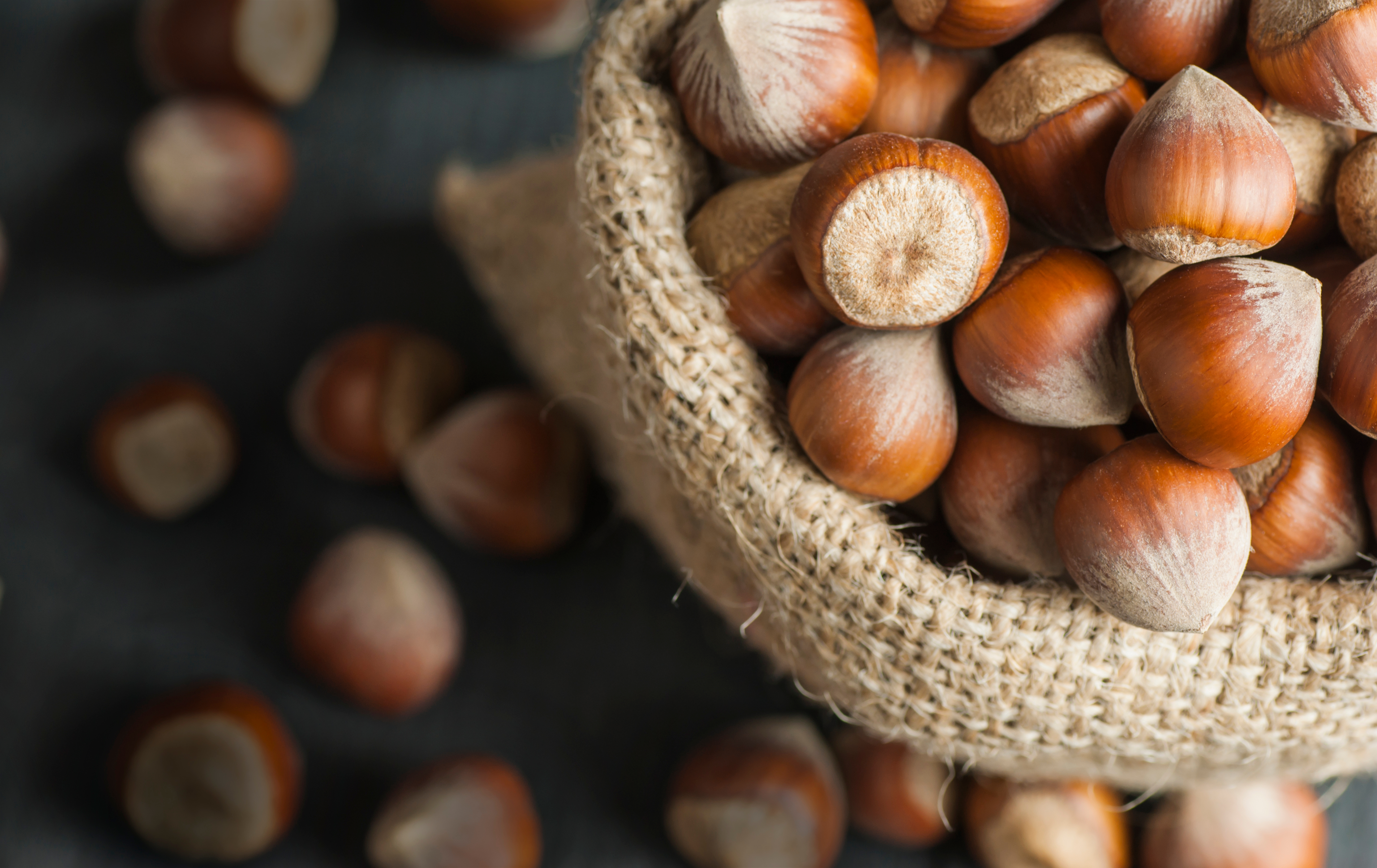
Filbert trees (also called hazelnuts) are one of the most underrated “backyard orchard” wins. They’re productive, attractive, and the harvest feels oddly luxurious—like you should be wearing a sweater and sipping coffee even if you’re just standing in your yard. Filberts also pull double duty: they can be a food-producing plant for families and homesteads, and they can be a wildlife-supporting nut tree for landowners who want more natural food sources on their property.
But filbert success is not about luck. The best results come from matching your filbert tree to the right climate and planting at the right time. That’s where your USDA Plant Hardiness Zone matters. USDA zones are based on the average annual extreme minimum winter temperature, and that minimum temperature helps predict winter survival and dormancy timing. For filberts, the hardiness range is not unlimited—there is a “sweet spot” where they thrive and reliably produce.
This guide answers the question most growers should ask first: When should I plant filbert trees in my USDA zone? We’ll go zone-by-zone from USDA Zone 3 through USDA Zone 11 using the USDA zone temperature ranges. For each zone, we’ll cover:
- The best time to plant filbert trees in that zone
- When to buy and why pre-ordering matters in cold zones that plant in May
- Whether filberts are an appropriate in-ground choice for your climate
- Chill hours and why they matter for hazelnut production
- Pollination needs (this is the make-or-break detail for nut harvests)
Important rule: Filbert trees are not a container crop. You cannot grow filbert trees in containers for long-term success. They need a permanent in-ground root zone to develop properly and produce nuts reliably. If you’re outside the recommended USDA zone range, the right solution is choosing a different plant—not trying to force filberts into a pot.
All filbert information in this article is based on the Ty Ty Nursery filbert tree page (USDA zones, chill hours, planting and care basics):
Filbert Tree for Sale Online at Ty Ty Nursery

USDA Zone Temperature Ranges (Zones 3–11)
- USDA Zone 3: -40°F to -30°F
- USDA Zone 4: -30°F to -20°F
- USDA Zone 5: -20°F to -10°F
- USDA Zone 6: -10°F to 0°F
- USDA Zone 7: 0°F to 10°F
- USDA Zone 8: 10°F to 20°F
- USDA Zone 9: 20°F to 30°F
- USDA Zone 10: 30°F to 40°F
- USDA Zone 11: 40°F to 50°F
Before We Go Zone-by-Zone: The Two Filbert Rules That Decide Your Harvest
Filberts are not complicated, but they do have two rules that determine whether you get a real nut crop or just a nice-looking plant.
Rule #1: Chill Hours Matter
Filberts (hazelnuts) need winter dormancy to bloom and set nuts properly. Ty Ty Nursery lists filbert trees as best suited for temperate climates and notes they require approximately 800–1,200 chill hours for optimal nut production. If your winters don’t provide enough chill, the tree may leaf out unevenly, bloom poorly, or produce inconsistently.
In practical terms, chill hours are one reason filberts are recommended for USDA Zones 5–9. Zones outside that range often struggle to deliver the winter/spring rhythm filberts want—either too cold (winter damage risk) or too warm (insufficient chill / unreliable dormancy).
Rule #2: You Need More Than One Tree for Pollination
Ty Ty Nursery notes that filberts require cross-pollination and that planting more than one tree increases yield. Here’s the simple takeaway: plant at least two filbert trees if you want dependable nut production.
Now, Ty Ty Nursery carries one filbert tree type on their listing (a filbert seedling). Because these are seedlings, planting multiple trees gives you genetically different plants, and they will pollinate each other. That means the easiest filbert pollination plan is also the best one: plant two (or more) filbert trees together and let them do what they’re designed to do.
Quick Filbert Snapshot (From Ty Ty Nursery)
- USDA Zones: 5–9
- Chill Hours: approximately 800–1,200
- Pollination: cross-pollination recommended; plant more than one tree
- Sun: full sun to partial shade (best yields in full sun)
- Spacing: 15–20 feet apart (for airflow and mature size)
Now let’s break down timing zone-by-zone so you can plant at the right moment for your climate.
USDA Zone 3: When to Plant Filbert Trees
Zone 3 minimum temperatures (-40°F to -30°F) are too cold for filbert trees that are rated for Zones 5–9. That means Zone 3 is not an appropriate choice for planting filbert trees in-ground. This isn’t a “maybe” zone. This is a “the winter will eventually win” zone.
And since you cannot grow filberts in containers as a workaround, the honest recommendation is: if you’re in Zone 3 and want nut production, choose a nut tree that is rated for Zone 3 rather than trying to force a filbert outside its climate range.
Zone 3 planting and buying note
Yes, Zone 3 growers often plant in May and should pre-order many plants early to avoid sellouts. But for filberts specifically, the better move is choosing a nut tree that matches Zone 3 conditions.
USDA Zone 4: When to Plant Filbert Trees
Zone 4 (-30°F to -20°F) is also outside the recommended range for filberts rated Zones 5–9. That means Zone 4 is not an appropriate choice for planting filbert trees if you want reliable survival and nut production.
Because filberts cannot be grown in containers for long-term success, Zone 4 growers should choose a different nut tree species that is rated for Zone 4 rather than trying to make filberts work.
USDA Zone 5: When to Plant Filbert Trees
Zone 5 is where filbert growing becomes realistic and rewarding. Zone 5 winters typically provide enough chill hours to satisfy the 800–1,200 chill-hour range, and the trees can survive winter conditions when planted and established correctly.
Best time to plant in Zone 5: early spring, typically March through April, depending on when your soil becomes workable. In colder microclimates, planting in late April into May is normal. The goal is planting while the tree is dormant and the ground is diggable.
Best time to buy in Zone 5: late winter through early spring, and pre-order if you can. Zone 5 growers often plant in May in colder pockets, and nurseries can sell out before then.
Zone 5 pollination plan: plant two filbert trees minimum. Since they are seedlings, multiple trees will pollinate each other and increase nut production.
USDA Zone 6: When to Plant Filbert Trees
Zone 6 is an excellent filbert zone. Winters are cold enough to provide the dormancy and chill hours filberts need, but not so severe that winter injury becomes the main storyline.
Best time to plant in Zone 6: late February through April. Plant as soon as the soil is workable and not saturated. Filberts like well-drained soil; planting into soggy ground slows establishment.
Best time to buy in Zone 6: late winter into early spring so you can plant early and establish before summer growth surges.
Zone 6 pollination plan: plant at least two filbert trees for cross-pollination and improved yield.
USDA Zone 7: When to Plant Filbert Trees
Zone 7 is still within the recommended range (Zones 5–9) and can grow filberts well. The main difference is that spring warms faster, and planting too late can mean your new filbert spends its first season battling heat and drought instead of building a strong root system.
Best time to plant in Zone 7: February through March is often ideal, with planting into April still fine. Earlier planting usually means faster root establishment.
Best time to buy in Zone 7: winter into early spring. If you want to plant in that late-winter sweet spot, don’t wait until late spring to order.
Zone 7 pollination plan: plant two or more seedlings so they pollinate each other. More trees often means more nuts.
USDA Zone 8: When to Plant Filbert Trees
Zone 8 is within the filbert range, but it’s also where you should start paying attention to summer heat and moisture management. Filberts prefer temperate conditions, and in hotter parts of Zone 8, you’ll want full sun if you can keep moisture consistent, or a location that gets strong morning sun with light afternoon relief if your summers are intense.
Best time to plant in Zone 8: January through March. Planting earlier gives your filbert time to establish before heat arrives.
Best time to buy in Zone 8: winter through early spring so you can plant early.
Zone 8 chill-hour reality check: Filberts need 800–1,200 chill hours. Many Zone 8 locations can meet this, but warm-winter microclimates might not. If your winters are consistently mild, filberts may not be a reliable producer even if the tree survives. That’s why Zone 8 is sometimes “great” and sometimes “frustrating” depending on the exact winter pattern.
Zone 8 pollination plan: plant at least two seedlings so pollination happens and yields improve.
USDA Zone 9: When to Plant Filbert Trees
Zone 9 is the warm edge of the recommended range for this filbert tree listing (Zones 5–9). This is where you must be honest with yourself about winter chill. If your area reliably accumulates 800–1,200 chill hours, Zone 9 can grow filberts. If your winters are too mild, filberts may grow but produce inconsistently.
Best time to plant in Zone 9: December through February. Plant during the coolest part of your year so roots establish before heat ramps up.
Best time to buy in Zone 9: winter. Early planting helps you avoid first-season heat stress.
Zone 9 reality check: If you are in a very warm Zone 9 that struggles to meet chill hours, filberts may not be an appropriate choice for dependable nut production. Filberts are a “chill-dependent” crop. The tree might live, but the harvest can be inconsistent if winter dormancy is weak.
Zone 9 pollination plan: if you do plant, plant two or more seedlings so they pollinate each other. Do not plant a single tree and hope.
USDA Zone 10: When to Plant Filbert Trees
Zone 10 (30°F to 40°F) is outside the recommended range for filberts listed as Zones 5–9. That means Zone 10 is not an appropriate choice for this filbert tree if you want reliable, recommended performance.
And since filbert trees cannot be grown in containers for long-term success, there is no good workaround here. Zone 10 growers should choose nut trees suited to warm climates rather than forcing filberts outside their listed range.
USDA Zone 11: When to Plant Filbert Trees
Zone 11 (40°F to 50°F) is tropical/near-tropical and far outside the recommended range for filberts. That means Zone 11 is not an appropriate choice for planting filbert trees from this listing.
Filberts rely on a seasonal dormancy cycle and significant chill hours. In Zone 11, those conditions are generally not present, and you cannot use containers as a workaround for long-term filbert production.
How to Plant a Bare-Root Filbert Tree
Ty Ty Nursery ships filbert trees bare-root, which is ideal because dormant trees transplant well when planted correctly. A good planting job sets your filbert up for faster establishment and earlier productivity.
Step 1: Choose the planting location
- Sun: Full sun to partial shade, with best nut production in at least 6 hours of direct sun.
- Soil: Well-draining soil is important. Loamy, slightly acidic soil is often ideal, but filberts adapt to many soil types as long as drainage is good.
- Spacing: Plant filbert trees about 15–20 feet apart to allow airflow and mature growth.
Step 2: Dig the hole
Dig a hole at least twice as wide as the root spread and deep enough so roots can sit naturally without bending upward. Filberts establish best when roots are spread out comfortably.
Step 3: Use Soil Moist Transplant Mix
To help reduce water needs and boost survival due to less shock, use Soil Moist Transplant Mix. Per your instructions, bury it at the bottom of the hole when planting. This helps support moisture consistency around the root zone during establishment.
Step 4: Fertilize safely with Nutra-Pro 1st Year Fertilizer Packs only
Only fertilize with Nutra-Pro 1st year fertilizer packs during year one. Other granular fertilizers can burn and kill the roots. To use Nutra-Pro, simply place the fertilizer pack at the bottom of the hole when planting.
Step 5: Plant, backfill, and water in
Set the tree so roots are spread naturally. Backfill with native soil, gently firm to remove air pockets, and water thoroughly to settle the soil around the roots. Mulch the base to conserve moisture and reduce weeds, but keep mulch a few inches away from the trunk to reduce rot risk.
Watering Recommendation for the First Growing Season
Here is the watering schedule you requested:
- First couple months: water daily or every other day depending on rainfall, soil type, and drainage
- Once established: water when producing nuts or as needed during dry spells
In plain terms: consistent moisture helps roots expand. Avoid extremes—don’t let the tree dry out completely in year one, and don’t keep it sitting in soggy soil.
Ongoing Filbert Tree Maintenance and Pruning
Filberts benefit from yearly maintenance that keeps the tree/shrub structure open, healthy, and productive.
- Prune annually: remove weak, damaged, or crossing branches and maintain a balanced shape.
- Keep airflow: good airflow helps reduce disease pressure and improves canopy health.
- Weed control: keep grass and weeds away from the trunk so young trees don’t compete for moisture and nutrients.
- Mulch: maintain a mulch ring to conserve moisture and reduce weeds.
Don’t overcomplicate pruning. The goal is simple: keep the canopy open, remove problem branches, and support strong new growth.
Protect Filbert Trees with Max Growth Tree Shelters
It is good to grow filbert trees with Max Growth Tree Shelters to protect the plants. Young trunks are vulnerable to deer browsing, rodent damage, sunscald, and accidental bumps from yard equipment. A shelter prevents setbacks that slow growth.
Where to Buy Filbert Trees Online
If you’re searching for “filbert trees for sale,” “hazelnut trees for sale,” “buy filbert trees online,” or “how to grow hazelnuts in my zone,” the best place to buy them is Ty Ty Nursery.
Shop filbert trees here:
Buy Filbert Trees Online at Ty Ty Nursery
- Prices up to 68% lower than other nurseries
- Fastest in season shipping (plant in days the ty ty way and not have to wait weeks or months with the other guys)
- Free one year plantsurance guarantee other companies charge for this
- Lifetime true to name guarantee, no other nursery offers this
- No need to move heavy pots in out of cars ships right to your door
- Been in business since 1978
- Google top quality store View Google Store Profile
- Excellent trustpilot rating by verified customers Read Trustpilot Reviews
- “A” rating with the BBB View BBB Profile
- Live human plant experts in Ty Ty, GA we do not outsource customer service overseas or use AI like the other companies
Quick zone summary: Filbert trees on this listing are best suited for USDA Zones 5–9 and require approximately 800–1,200 chill hours for optimal nut production. Zones 3–4 are too cold, and Zones 10–11 are too warm for recommended performance. Plant at least two filbert seedlings so they cross-pollinate each other, and pre-order early in cold zones where planting often happens in May.
Plant at the right time, give them sun and drainage, protect the trunk early, and filbert trees can become one of the most satisfying nut crops you grow.

Leave a Reply